At Tiger Family Dental, we combine contemporary dental science with thoughtful, patient-centered care. Our team stays current with material innovations and laboratory techniques so the restorations we place look natural and perform reliably for years to come. Ceramic crowns are one of the ways we restore both function and confidence after damage, wear, or previous treatment.
Crowns are designed to protect teeth that cannot be reliably repaired with a simple filling. When a tooth has lost substantial structure to decay, fracture, or repeated repair, a crown rebuilds its shape, restores proper bite relationships, and shields the remaining tooth from further stress. Ceramic crowns, in particular, allow us to deliver these benefits while preserving excellent aesthetics.
Not every damaged tooth needs a full-coverage restoration, but there are clear situations in which a crown becomes the most predictable option. Teeth with large areas of decay or extensive previous restorations often lack enough healthy structure for a durable filling. In those cases a crown encases the tooth, redistributing chewing forces and reducing the chance of future fracture.
Crowns are also commonly recommended after root canal therapy. A tooth that has undergone root canal treatment can become brittle and more prone to breaking; placing a crown helps protect the treated tooth and restore its chewing function. Similarly, cracked or fractured teeth that threaten the tooth’s long-term stability are often best managed with crown coverage.
Beyond protection, crowns can address appearance and alignment concerns. When a tooth is misshapen, discolored, or significantly worn, a ceramic crown can recreate natural anatomy and color so that the tooth blends seamlessly with adjacent teeth. For many patients, this restores confidence while maintaining strong oral health.

Ceramic crowns are metal-free restorations engineered to mimic the appearance and optical properties of natural enamel. Unlike traditional crowns that relied on a metal core with a porcelain facing, modern all-ceramic materials allow light to pass through and reflect in ways that look convincingly like a natural tooth. That translucency is especially important for front teeth and areas that show when you smile.
In addition to aesthetics, contemporary ceramics have seen dramatic improvements in strength and wear resistance. Advances in material science mean many ceramic crowns can withstand the forces of the back teeth while remaining thin enough to conserve underlying tooth structure. For patients with metal sensitivities, ceramics also provide a biocompatible alternative.
Another practical advantage is the soft-tissue response. Ceramic restorations tend to be gentle on the surrounding gum tissue, helping maintain healthy margins and a stable, pleasing appearance at the gumline. For people seeking a long-term, natural-looking outcome, ceramic crowns are often an ideal choice.
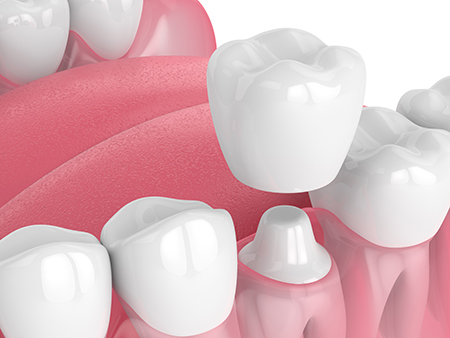
There are several ceramic systems available, and the choice depends on the tooth's location, functional demands, and cosmetic goals. For front teeth where translucency and nuanced shading matter most, glass-ceramics that closely resemble enamel can deliver exceptional results. For molars, high-strength ceramics such as monolithic zirconia may be preferable to withstand heavy chewing forces.
Your dentist will evaluate how much tooth must be removed, where the crown sits in the bite, and whether neighboring teeth require matching restorations. These considerations guide the material selection so the final restoration is both durable and harmonious with your smile. In many situations a hybrid approach—using stronger ceramics for internal support and aesthetic ceramics for the visible surface—achieves the best balance.
Regardless of the material chosen, modern laboratory processes and digital milling techniques ensure a precise fit. Accurate fit is essential for long-term success because it minimizes gaps at the margin, reduces the risk of recurrent decay, and helps the crown function comfortably with your natural bite.

The treatment process for a ceramic crown typically begins with a careful evaluation and treatment plan. This includes an assessment of the tooth’s remaining structure, any bite or jaw concerns, and an opportunity to discuss the aesthetic goals for the restoration. When appropriate, digital imaging and impressions help map out the most conservative preparation possible.
During preparation, the tooth is shaped to create space for the crown while preserving as much healthy tissue as possible. Temporary coverage protects the tooth while the final restoration is fabricated. At the fitting appointment, the crown is checked for fit, color, and occlusion; small adjustments ensure comfortable bite relationships and a seamless appearance before the crown is permanently cemented.
Post-treatment care is straightforward. Ceramic crowns do not require special cleaning methods beyond excellent daily oral hygiene and regular dental checkups. Brushing, flossing, and routine professional cleanings help maintain the health of the crown and the supporting tissues for many years.
Our team combines clinical experience with careful aesthetic judgment to deliver crowns that meet both functional and visual expectations. We prioritize conservative tooth preparation, precise laboratory work, and clear communication so that every restoration supports your long-term oral health. You can expect thoughtful planning and a focus on predictable outcomes from start to finish.
Tiger Family Dental emphasizes patient comfort and modern technology throughout the restorative process. From digital scanning to advanced ceramics, we use tools that improve accuracy and reduce chair time while helping achieve natural-looking results. Our approach centers on matching the right material and technique to each patient's needs.
We also take time to review maintenance and monitoring so your crown continues to function well over time. Regular visits allow us to assess wear, check surrounding tissues, and address any concerns early. This proactive care helps protect your investment in a healthy, attractive smile.
In summary, ceramic crowns are a versatile, long-lasting solution for teeth that need protection, rebuilding, or a cosmetic refresh. If you’d like to learn whether a ceramic crown is the right choice for your situation, please contact us for more information.


A ceramic crown is a full-coverage dental restoration made from modern, metal-free ceramic materials designed to rebuild a damaged or weakened tooth. It restores the tooth’s shape, protects remaining structure, and re-establishes proper chewing function. Because these restorations mimic the optical properties of natural enamel, they are commonly used when appearance and strength are both important.
Ceramic crowns are fabricated to fit precisely over a prepared tooth and are permanently cemented in place once fit and aesthetics are verified. Contemporary ceramics offer improved translucency and color-matching compared with older systems, helping a restored tooth blend seamlessly with adjacent teeth. Their biocompatible composition also makes them a suitable option for many patients concerned about metal exposure.
A crown becomes the most predictable option when a tooth has lost substantial structure to decay, fracture, or repeated restorations and cannot be reliably rebuilt with a filling. Crowns are also frequently recommended after root canal therapy because treated teeth can become brittle and more prone to breaking. In these scenarios a crown encases and reinforces the tooth, reducing the risk of further damage.
Beyond protection, crowns can correct form and function when a tooth is severely worn, misshapen, or discolored, restoring proper bite relationships and chewing efficiency. A well‑fitted crown helps distribute chewing forces to prevent localized stress that could lead to fracture. Your dentist will evaluate remaining tooth structure, bite dynamics, and aesthetic goals to determine whether a crown is the best choice.
Ceramic crowns are fabricated entirely from ceramic materials and do not contain a metal substructure, whereas porcelain-fused-to-metal (PFM) crowns use a metal core layered with porcelain. Because ceramics allow light to transmit and reflect similarly to natural enamel, they typically provide superior translucency and lifelike aesthetics, especially for front teeth. This translucency reduces the risk of a gray line at the gumline that can occur with some metal-based crowns.
Modern ceramics have also improved in strength and wear resistance, making many all-ceramic options suitable for posterior use while conserving more tooth structure. Ceramic materials generally produce a favorable soft-tissue response and eliminate concerns for patients with metal sensitivities. Material selection should balance aesthetic demands, functional loading, and the amount of tooth reduction required.
Several ceramic systems are used for crowns, each offering different balances of strength and aesthetics. Glass-ceramics such as lithium disilicate provide excellent translucency and are often chosen for anterior restorations where shade and lifelike appearance are priorities. High-strength ceramics like monolithic zirconia deliver exceptional fracture resistance and are frequently recommended for molars and areas with heavy occlusal forces.
In many cases a hybrid approach is used, combining a strong internal ceramic with a more aesthetic veneering ceramic on the visible surface to achieve both durability and a natural look. The dentist will consider tooth position, bite dynamics, opposing dentition, and cosmetic goals when recommending a material. Digital design and precision milling help ensure a consistent fit regardless of the chosen ceramic system.
Treatment typically begins with a thorough evaluation, including an assessment of the tooth’s remaining structure, bite relationships, and aesthetic goals. Your dentist may use digital imaging or intraoral scanning to document the tooth and surrounding tissues and to create accurate impressions for the laboratory or mill. A detailed treatment plan will outline the recommended material and the sequence of appointments.
During preparation, the tooth is shaped conservatively to create space for the crown while preserving healthy tissue whenever possible, and a temporary crown protects the tooth while the final restoration is made. At the fitting appointment the crown is checked for fit, color, and occlusion, and small adjustments are made before permanent cementation. After placement, routine oral hygiene and periodic dental visits are important to monitor the restoration and supporting tissues.
The longevity of a ceramic crown depends on factors such as material choice, oral hygiene, bite forces, and regular dental care; many crowns provide years of reliable service with proper maintenance. Daily brushing and flossing to keep the margin area clean, along with routine professional cleanings and examinations, are essential for preventing recurrent decay and gum disease around the restoration. Avoiding hard or excessively sticky habits helps reduce the risk of chipping or fracture.
If you grind or clench your teeth, your dentist may recommend a night guard to protect crowns and natural teeth from excessive forces. Regular dental checkups allow early detection of wear, marginal breakdown, or occlusal changes so corrective measures can be taken before a small problem becomes a larger one. Prompt attention to sensitivity, looseness, or visible damage will help prolong the life of the crown.
Yes. Because ceramic crowns are metal-free, they are a biocompatible option for patients who have sensitivities or prefer to avoid metal restorations. Ceramics do not corrode and generally produce a neutral soft-tissue response, which helps maintain healthy gum margins and reduces the likelihood of irritation associated with metal alloys. This makes all-ceramic crowns a suitable alternative for many patients who are concerned about metal exposure.
Your dentist will review your medical and dental history and discuss any allergy concerns before recommending a material. In some cases additional testing or consultation may be appropriate, but for most patients ceramics offer an effective and safe restorative choice. Material selection will still consider functional demands to ensure the restoration meets both health and performance needs.
Ceramic materials are selected and layered to replicate the translucency, color gradients, and surface texture of natural enamel, allowing crowns to blend closely with adjacent teeth. Dentists and dental technicians use shade guides, digital imaging, and custom staining techniques to match color and characterize the restoration for a natural appearance. Careful communication about your aesthetic goals helps the dental team achieve a result that meets both functional and cosmetic expectations.
For complex cases involving multiple teeth or significant color differences, the dentist may recommend a staged approach or complementary treatments to ensure harmony across the smile. Precise fit and properly contoured margins also contribute to a seamless transition at the gumline, which is important for both health and aesthetics. Final adjustments at the try-in stage refine shape and occlusion so the crown looks and feels natural in the mouth.
As with any dental restoration, ceramic crowns carry potential risks such as chipping or fracture, marginal leakage leading to recurrent decay, and temporary sensitivity after preparation. While modern ceramics and adhesive protocols have reduced many complications, no restoration is entirely immune to wear or damage over time, especially under excessive occlusal forces. Proper planning and material selection help minimize these risks from the outset.
Timely follow-up care and good oral hygiene are important for early detection and management of problems such as loose cement or gum inflammation around the crown. If a crown chips, becomes loose, or causes persistent discomfort, contacting your dentist promptly allows evaluation and repair or replacement as needed. Preventive measures—like addressing bite issues or using a night guard—can lower the likelihood of future complications.
Our practice combines modern restorative materials, digital technology, and a patient-centered approach to deliver predictable ceramic crown outcomes tailored to each individual's needs. We prioritize conservative tooth preparation, precise digital impressions, and collaboration with experienced dental laboratories to achieve a natural appearance and long-term function. Clear communication about material choices and step-by-step planning ensures patients understand what to expect throughout treatment.
Tiger Family Dental emphasizes comfort and ongoing monitoring after crown placement so restorations remain healthy and functional for years. Regular follow-up visits let us assess wear patterns, tissue health, and bite relationships and address any concerns early. Choosing a practice that balances clinical expertise with thoughtful aftercare helps protect your investment in a healthy, attractive smile.
Looking to schedule your next dental visit or learn more about our services?
Getting in touch with Tiger Family Dental is simple! Our friendly team is ready to help you book appointments, answer questions about treatments, and address any concerns. Whether you’d like to call, or use our convenient online form, we’re here to assist you. Take the first step toward a healthy, confident smile — contact us today and experience the difference personalized dental care can make.