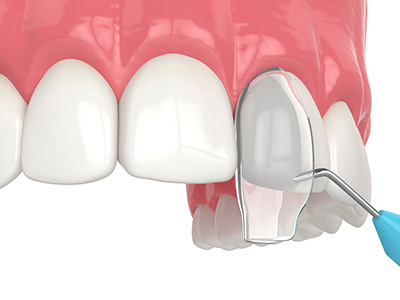
Dental bonding is a conservative cosmetic treatment that uses tooth-colored resin to repair and reshape teeth with minimal removal of natural enamel. It’s an effective solution for patients who want immediate improvement in the appearance of a tooth without committing to more invasive restorations. The result blends with your existing teeth to create a harmonized, natural-looking smile.
At the heart of dental bonding is a durable composite resin formulated to mimic the translucency and color of natural enamel. The resin is specially selected and shaded to match the patient’s teeth, then sculpted directly onto the tooth surface. A bonding agent helps the material adhere securely, creating a strong interface between the composite and the tooth.
The process relies on careful layering and curing. Each layer of resin is shaped and hardened with a safe curing light before the next layer is added. This technique allows the clinician to build up tooth structure precisely and create subtle contours that look organic under varied lighting conditions.
Because bonding preserves most of the tooth’s original structure, it’s frequently chosen when conservation is a priority. Bonding can often be completed in a single visit, making it a practical option for patients with busy schedules or those seeking quick cosmetic improvements.
Dental bonding addresses a wide range of common cosmetic concerns. It’s ideal for repairing small chips and cracks that result from everyday wear, minor accidents, or habits like nail-biting. Bonding also fills in small gaps between teeth and can smooth out irregular edges, helping teeth look more uniform and aligned.
Beyond structural repairs, bonding can mask localized discoloration that does not respond well to whitening. Because the resin can be color-matched and layered, it can conceal stains and create a consistent shade across the visible smile. It’s also useful for reshaping slightly short or misshapen teeth to improve overall balance.
Bonding is sometimes used as a protective measure, for example to cover exposed root surfaces or small areas of wear that cause sensitivity. In these cases, bonding reduces sensitivity and helps protect the tooth while preserving future restorative options if more extensive care becomes necessary.
A typical bonding visit begins with a focused evaluation and a short discussion about aesthetic goals. The tooth is cleaned and lightly prepared so the bonding agent will adhere properly. In many cases, anesthesia is not required, though it can be used if the patient prefers or if the work is near sensitive areas.
The clinician then selects the shade that best complements your surrounding teeth. The composite material is applied in small increments and sculpted to the desired shape. Each increment is cured with a special light to ensure a strong, stable bond. This incremental approach gives the dentist control over final contour and translucency.
After shaping and curing, the bonded surface is carefully polished to a smooth, enamel-like finish. The dentist checks the bite and makes any minor adjustments so the restoration feels natural when you speak and chew. Because the procedure is minimally invasive and typically completed in one visit, patients often appreciate the immediate visual and functional improvement.
With sensible habits, bonded restorations can provide years of reliable service. Daily brushing with a nonabrasive fluoride toothpaste, regular flossing, and routine dental visits help keep both natural teeth and bonded areas healthy. Professional cleanings and periodic checkups allow your dental team to monitor the condition of the bonding and address any concerns early.
Certain behaviors can shorten the life of bonded material. Avoiding hard objects, such as ice or pen caps, and steering clear of using teeth as tools reduces the risk of chipping. Limiting highly pigmented foods and beverages—like red wine, coffee, and dark sauces—can help reduce surface staining; if you regularly consume staining substances, be sure to practice good oral hygiene and consider touch-ups as needed.
If a bonded edge chips or shows wear, repairs are generally straightforward. Because the material bonds to enamel, your dentist can often add a small amount of composite to restore the shape without extensive preparation. Regular dental visits make it easier to catch minor issues before they develop into larger problems.
Bonding offers distinct advantages: it’s conservative, quick, and highly customizable. For minor cosmetic corrections—tiny chips, small gaps, or localized discoloration—bonding often provides an efficient and aesthetic outcome without altering surrounding teeth. It’s also an excellent first-line option for patients who prefer a reversible or lower-commitment treatment.
However, bonding is not always the best choice for every situation. When a tooth is heavily stained, extensively damaged, or requires major shape correction, porcelain veneers or crowns may deliver superior long-term aesthetics and durability. Those treatments involve more tooth preparation but can provide greater resistance to staining and wear.
A thoughtful treatment plan weighs the condition of the tooth, the patient’s aesthetic goals, and long-term expectations. In many cases, bonding can be part of a broader plan—serving as a conservative initial step that preserves options for future treatments if needed. Your dentist can explain the trade-offs and help you select the approach that balances appearance, function, and longevity.
At Tiger Family Dental, our focus is on delivering cosmetic solutions that respect each patient’s needs and natural anatomy. If you’re curious whether dental bonding is the right fit for you, contact us for more information and to schedule a consultation.


Dental bonding is a conservative cosmetic procedure that uses tooth-colored composite resin to repair, reshape, or conceal minor imperfections on natural teeth. The material is applied directly to the tooth surface, sculpted to the desired form, and hardened with a curing light to create a durable restoration. Because the process preserves most of the natural enamel, it is often chosen when conserving tooth structure is a priority.
Bonding provides a natural-looking result by matching the resin to surrounding teeth and carefully layering material to reproduce translucency and contour. The procedure is typically completed in a single visit, offering patients immediate visual and functional improvements. It works well for targeted cosmetic corrections without committing to more invasive options.
The dentist begins by cleaning and lightly preparing the tooth so a bonding agent will adhere reliably to enamel or dentin. Composite resin is then applied in thin increments, sculpted to restore shape or fill gaps, and each layer is cured with a safe blue light to harden the material before adding the next layer. This layering technique gives the clinician precise control over contour and shade.
A final shaping and polishing step refines texture and luster so the bonded area blends with adjacent teeth and performs comfortably during chewing. The bond between the resin and tooth is strengthened by a specialized adhesive that creates a secure interface. With proper technique, the result looks organic under varied lighting conditions and restores normal function quickly.
Bonding addresses a variety of common cosmetic and minor structural concerns, including small chips and cracks, localized discoloration that does not respond to whitening, and narrow gaps between teeth. It can also reshape slightly short or irregular teeth to improve symmetry and the overall balance of the smile. In some cases, bonding covers exposed root surfaces or worn areas to reduce sensitivity and provide protective coverage.
While bonding is ideal for modest corrections, it is not intended for teeth with extensive decay or severe structural damage that require crowns or more robust restorations. The technique is especially valuable when a conservative, single-visit solution can achieve the desired aesthetic result. Your dentist will evaluate the tooth and recommend bonding when it offers the best balance of appearance and preservation.
Most bonding procedures are minimally invasive and require little or no anesthesia because only a small amount of tooth surface is altered during preparation. Patients commonly experience little to no discomfort during the appointment, and any sensitivity afterward is usually mild and short-lived. If work is performed near an exposed root or a sensitive area, local anesthesia can be offered to ensure patient comfort.
Your dental team will discuss anesthesia options and what to expect before beginning so you feel comfortable and informed. After the appointment, normal activities resume immediately and routine oral hygiene can be continued. If you experience persistent discomfort following bonding, contact your dentist so the situation can be assessed and managed.
The lifespan of a bonded restoration depends on factors such as oral hygiene, biting habits, and the location of the restoration in the mouth. With careful home care and regular dental checkups, composite bonding commonly provides several years of reliable service, and minor wear can often be repaired without full replacement. Avoiding habits like chewing ice, biting hard objects, or using teeth as tools helps prolong the material's life.
Routine professional cleanings and periodic examinations allow the dental team to monitor bonded areas and recommend touch-ups when surface wear or staining appears. In high-stress areas or where long-term durability is a primary concern, alternative restorative options may be discussed for greater longevity. A tailored maintenance plan helps maximize the performance of bonded restorations.
Caring for bonded teeth follows many of the same principles as caring for natural teeth: brush twice daily with a nonabrasive fluoride toothpaste, floss daily, and attend regular dental checkups and professional cleanings. Gentle brushing and avoiding abrasive pastes will help preserve the polished surface of the composite. If you consume staining foods or beverages, prompt rinsing and consistent hygiene reduce the risk of surface discoloration.
Steer clear of habits that place excessive force on bonded areas, such as nail-biting, opening packages with your teeth, or chewing hard objects. If you grind or clench your teeth, your dentist may recommend protective measures to shield bonded restorations from undue wear. Discuss any concerns with your dental team so they can provide personalized care recommendations and minor repairs when needed at Tiger Family Dental.
Yes, modern composite resins are available in a wide range of shades and translucencies that allow skilled clinicians to closely match the color and optical properties of neighboring teeth. The dentist selects and layers shades during the procedure to replicate natural depth and translucency, which helps the bonded restoration blend seamlessly into the smile. Shade selection is performed with the tooth clean and under natural or simulated daylight for the best match.
Over time, composite can pick up surface stains more readily than porcelain, but routine polishing and professional hygiene visits help maintain color harmony. If a significant color change occurs in surrounding teeth, touch-ups or replacement of the bonded material can restore a consistent appearance. Discuss shade expectations with your dentist so the final result meets your aesthetic goals.
Bonding is often the preferred option when the cosmetic concern is modest and preserving natural tooth structure is important. It is quicker, typically completed in a single visit, and reversible in many cases because it requires minimal enamel removal compared with veneers or crowns. For small chips, minor gaps, or localized staining, bonding can deliver an attractive outcome without the need for laboratory restorations.
However, veneers or crowns may be recommended when a tooth is heavily stained, severely worn, or structurally compromised and long-term resistance to staining and wear is a high priority. Your dentist will weigh the extent of correction needed, the tooth's condition, and your long-term expectations to recommend the most appropriate option. Bonding can also serve as an interim conservative step while planning more extensive treatment if desired.
Yes, one of bonding's practical advantages is that repairs are usually straightforward because composite resin bonds well to existing enamel and to previously placed composite. Small chips or worn edges can often be smoothed and rebuilt with additional composite in a short appointment, avoiding more invasive procedures. Repair work typically requires only minimal preparation and can restore both function and appearance efficiently.
Regular dental visits make it easier to identify minor defects early, when repairs are most simple and predictable. If a bonded restoration experiences repeated damage or extensive wear, your dentist may recommend an alternative restoration for greater long-term durability. Prompt evaluation after a chip or sudden change helps preserve the tooth and simplifies treatment.
A good candidate for bonding is someone with minor cosmetic concerns such as small chips, narrow gaps, slight shape irregularities, or localized discoloration that does not respond to whitening. Healthy teeth and gums are important prerequisites, so the dentist will first address any active decay or periodontal issues before performing cosmetic work. Patients seeking a conservative, single-visit improvement often find bonding an appealing option.
An in-person consultation allows your dental team to evaluate tooth structure, bite dynamics, and aesthetic goals and to explain the likely outcomes and maintenance needs. If bonding is suitable, the dentist will outline a straightforward plan and answer questions so you can make an informed decision. To explore whether bonding is right for you, schedule a consultation with the practice and discuss your objectives and concerns.
Looking to schedule your next dental visit or learn more about our services?
Getting in touch with Tiger Family Dental is simple! Our friendly team is ready to help you book appointments, answer questions about treatments, and address any concerns. Whether you’d like to call, or use our convenient online form, we’re here to assist you. Take the first step toward a healthy, confident smile — contact us today and experience the difference personalized dental care can make.