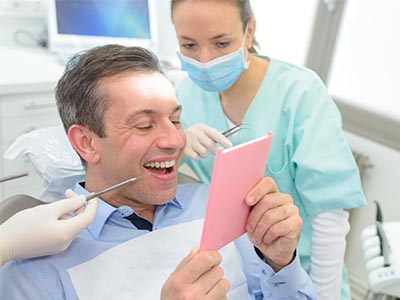
At the office of Tiger Family Dental, we help patients rebuild healthy, confident smiles after tooth loss. Losing one or more teeth affects more than your appearance — it changes how you chew, speak, and maintain oral health. Our approach blends careful diagnosis, modern materials, and individualized planning so every restoration looks natural and performs reliably over time.
A gap in your smile doesn’t remain isolated. When a tooth is lost, neighboring teeth begin to shift toward the empty space and the opposing tooth can drift downward or upward into the gap. Over months and years these changes alter your bite, create new pressure points, and can make chewing less efficient and comfortable.
Bone also responds to missing teeth. Without the stimulation that a tooth root provides, the jawbone in that area tends to remodel and resorb. This can change facial contours and make future restorations more complex. Restoring the missing tooth in a timely way helps preserve bone volume and prevents many of the secondary problems that follow tooth loss.
Gaps are also harder to keep clean. When teeth move, it becomes easier for food and plaque to accumulate in unexpected places, increasing the risk of decay and gum disease. Addressing tooth loss is therefore not just cosmetic — it’s a preventive step that protects the long-term health of the rest of your mouth.
Today’s dentistry offers several dependable ways to replace missing teeth, each with its own benefits. Options range from fixed bridges and implant-supported restorations to removable alternatives. The best choice depends on the number and location of missing teeth, the condition of adjacent teeth and bone, and the patient’s functional and aesthetic goals.
Fixed solutions restore chewing efficiency and feel more like natural teeth because they don’t move during function. Implant-supported restorations, when appropriate, come closest to substituting for the missing tooth root, preserving bone and delivering excellent long-term stability. Traditional fixed bridges remain an effective choice when adjacent teeth are suitable as supports.
At the same time, minimally invasive techniques and improved dental materials mean restorations are stronger and more lifelike than ever. Porcelain, zirconia, and advanced ceramic systems allow clinicians to match the color, translucency, and shape of surrounding teeth, producing results that blend seamlessly with your smile.
A dental bridge replaces one or more missing teeth by spanning the gap with artificial teeth called pontics. The pontics are supported either by crowns on adjacent natural teeth or by dental implants. A well-designed bridge restores proper tooth relationships, reestablishes a stable bite, and prevents neighboring teeth from drifting into the empty space.
When a bridge is supported by natural teeth, those abutment teeth are shaped to accept crowns that anchor the restoration. This approach can be durable and effective when the supporting teeth are healthy and strong. Implant-supported bridges, by contrast, rely on implant fixtures that act like tooth roots, providing independent support without sacrificing adjacent teeth.
Bridges also play a protective role. By filling the gap, they redistribute chewing forces more evenly across the back teeth and reduce excessive wear on individual teeth. With attention to precise fit and occlusion, a bridge can restore comfortable function while maintaining oral hygiene access for long-term health.
There are several bridge designs clinicians consider when planning treatment. The primary distinction is whether the bridge will be supported by natural teeth or by implants. That decision is guided by the health of the remaining teeth, the volume and quality of jawbone, and the patient’s oral hygiene and overall health.
Traditional fixed bridges use crowns on one or both sides of the gap to anchor one or more pontics. They are a predictable option when adjacent teeth already require crowns or are otherwise strong candidates for restoration. Cantilever designs anchor to a single adjacent tooth in specific locations where biting forces are favorable.
Implant-supported bridges are often recommended when preserving adjacent natural teeth is a priority or when multiple adjacent teeth are missing. Implants provide root-level support and can prevent bone loss in the area. A Maryland-style bridge uses a bonded framework attached to the backs of nearby teeth and can be a conservative option in limited situations.
Successful bridge treatment begins with a thorough evaluation. We gather a complete dental and medical history, perform a clinical exam, and use imaging to assess bone levels and the condition of neighboring teeth. This diagnostic phase helps determine candidacy and identifies any preparatory steps needed to ensure long-term success.
If gum disease, decay, or other oral health issues are present, those conditions must be addressed before placing a bridge. For implant-supported options, bone volume and quality are carefully evaluated; when necessary, procedures such as bone grafting may be recommended to create a stable foundation. The practice prioritizes gentle, evidence-based preparation to set the stage for a durable outcome.
The fabrication and placement process varies with the type of bridge. Traditional fixed bridges typically require shaping the abutment teeth, taking impressions, and placing a temporary restoration while the permanent piece is crafted. Implant workflows include surgical placement of fixtures followed by a healing period before attaching the final prosthesis. Throughout treatment, your comfort and clear communication are emphasized so you understand each phase and what to expect afterward.
After placement, routine maintenance is essential. Bridges should be cared for with regular brushing, flossing using appropriate techniques or aids, and professional cleanings and exams. With the right home care and periodic dental oversight, a well-made bridge can provide reliable function and a natural appearance for many years.
Restoring missing teeth with a bridge is a practical, long-term way to protect oral health, maintain facial structure, and regain confidence in your smile. If you’d like to learn which bridge option may be right for you, please contact us for more information and to schedule a consultation.


A dental bridge is a fixed dental restoration that replaces one or more missing teeth by spanning the gap with artificial teeth called pontics. The pontics are anchored to adjacent natural teeth that are prepared for crowns or to dental implants that provide root-level support. By restoring the missing tooth structure, a bridge reestablishes proper chewing function, helps maintain speech patterns, and restores the appearance of the smile.
Well-designed bridges also help maintain the position of neighboring teeth and prevent them from drifting into the empty space. Proper fit and occlusion are critical so the restoration distributes biting forces evenly across the dental arch. With careful planning and high-quality materials, a bridge can look natural and provide dependable function for many years.
Clinicians commonly use several bridge designs, including traditional fixed bridges, cantilever bridges, Maryland (resin-bonded) bridges, and implant-supported bridges. Traditional fixed bridges rely on crowns placed on adjacent teeth to anchor pontics, while cantilever bridges attach to a single neighboring tooth when biting forces allow. Maryland bridges use a metal or ceramic framework bonded to the backs of adjacent teeth and are a more conservative option in select situations.
Implant-supported bridges use dental implants as independent anchors and are often recommended when preserving adjacent natural teeth is a priority or when multiple adjacent teeth are missing. Material choices for pontics and crowns include porcelain, zirconia, and advanced ceramics that mimic natural tooth color and translucency. Your dentist will recommend the best design based on tooth position, bone support, and long-term goals for function and aesthetics.
Good candidates for a dental bridge include patients with one or more missing teeth who have healthy supporting teeth or adequate bone for implant placement. Candidates should have good overall oral health, controlled periodontal condition, and a commitment to daily hygiene and regular dental visits. A thorough clinical exam and imaging are necessary to evaluate supporting structures and rule out active infection or untreated decay.
If adjacent teeth already need crowns, a traditional fixed bridge can be an efficient restoration that addresses both replacement and protection of those teeth. When adjacent teeth are healthy and preservation is preferred, an implant-supported bridge may be a better choice to avoid altering natural tooth structure. Your dentist will discuss the options and recommend the approach that best balances long-term oral health with functional and aesthetic outcomes.
An implant-supported bridge is anchored on dental implants that act like tooth roots, while a tooth-supported (traditional) bridge is attached to crowns on adjacent natural teeth. Implant support preserves bone by providing stimulation to the jaw, which helps reduce the bone resorption that often follows tooth loss. Tooth-supported bridges rely on the strength of neighboring teeth and require those teeth to be prepared for crowns, which can be appropriate when they already need restoration.
Implant-supported solutions can offer superior long-term stability and do not rely on altering healthy adjacent teeth, but they require sufficient bone and a surgical phase for implant placement. Traditional bridges provide a predictable and time-tested alternative when implants are not appropriate or when adjacent teeth are suitable abutments. Treatment planning should weigh oral health, bone condition, and the patient’s functional goals when choosing between these approaches.
The evaluation begins with a review of your dental and medical history, a clinical exam, and diagnostic imaging such as digital radiographs or a CBCT scan when needed. These records help the dentist assess bone levels, the condition of neighboring teeth, and any periodontal concerns that must be addressed before restoration. A clear discussion of aesthetic goals, functional needs, and the pros and cons of available options is part of the planning phase.
At this appointment the dentist will outline recommended preparatory steps, which may include treatment for gum disease, decay, or root canal therapy if necessary. When implants are being considered, the evaluation also determines bone volume and whether grafting or sinus augmentation might be needed. The result is a personalized treatment plan that defines timing, sequencing, and the type of bridge most appropriate for your smile.
For a traditional fixed bridge, preparation usually involves shaping the abutment teeth to receive crowns, taking precise impressions or digital scans, and placing a temporary restoration while the final bridge is fabricated. The final appointment involves fitting, adjusting, and cementing the permanent bridge with attention to bite and esthetics. If the bridge is implant-supported, the process includes surgical placement of implants, a healing period for osseointegration, and then attachment of the abutments and final prosthesis.
Throughout each phase, attention to patient comfort and infection control is prioritized, and the dentist will provide specific instructions for home care and any post-procedure sensitivity management. Temporary restorations protect prepared teeth and help you maintain function until the final prosthesis is ready. Clear communication about healing timelines and follow-up visits ensures predictable results and reduces the risk of complications.
Caring for a dental bridge requires consistent oral hygiene practices that include twice-daily brushing and daily cleaning beneath the pontic using floss threaders, interdental brushes, or a water flosser. Keeping the supporting teeth and surrounding gum tissue free of plaque helps prevent decay and periodontal problems that can compromise the restoration. Regular professional cleanings and exams allow the dentist to monitor the bridge, check margins, and address any early issues before they become serious.
Additionally, avoid using the bridge for activities that place excessive force on the restoration, such as opening packages or biting very hard objects. If you notice looseness, sensitivity, or signs of gum inflammation, contact your dentist promptly so the issue can be evaluated. With diligent home care and routine dental oversight, many bridges remain functional and attractive for years.
Potential risks include decay of the abutment teeth, gum disease around the restoration, sensitivity following tooth preparation, and fractures of the pontic or supporting crowns. Poor oral hygiene, uncontrolled periodontal disease, and parafunctional habits like bruxism can increase the likelihood of complications. In the case of implant-supported bridges, risks specific to surgery include infection, implant failure, and the need for additional bone grafting in some patients.
Early detection through regular dental visits helps manage complications conservatively when possible, such as repairing or replacing components rather than removing the entire restoration. Proper case selection and meticulous treatment planning reduce the chance of poor outcomes. Your dentist will explain the specific risks related to your situation and recommend measures to minimize them.
A well-designed bridge restores normal tooth relationships and can prevent the drifting and tilting of adjacent teeth that often follows tooth loss. Traditional tooth-supported bridges place additional load on abutment teeth, which may affect their long-term health if those teeth are not sufficiently strong or if oral hygiene is inadequate. Implant-supported bridges help preserve jawbone by providing stimulation similar to a natural tooth root, which helps maintain facial structure over time.
Without timely replacement of missing teeth, bone resorption and changes to facial contours can occur, making future restorations more complex. Bridges that fit properly and are maintained routinely can mitigate many of these changes by restoring function and distributing chewing forces evenly. Periodic imaging and clinical checks allow the dentist to monitor bone levels and the health of supporting teeth throughout the life of the restoration.
Yes, bridges are often integrated into broader treatment plans that may include root canal therapy, periodontal treatment, crowns on nearby teeth, implant placement, or cosmetic procedures to improve tooth color and alignment. Coordinating these treatments can optimize the function, health, and appearance of the final restoration and ensure a balanced result across the smile. Pre-restorative procedures, such as treating gum disease or replacing failing fillings, are commonly performed to create a stable foundation for the bridge.
At the office of Tiger Family Dental, treatment planning emphasizes comprehensive care that aligns restorative goals with cosmetic expectations and long-term oral health. Working with your dental team to sequence procedures appropriately helps achieve durable, natural-looking outcomes while minimizing the need for future rework. Discussing your priorities and any concerns during the planning phase helps the clinician design a cohesive, personalized plan.
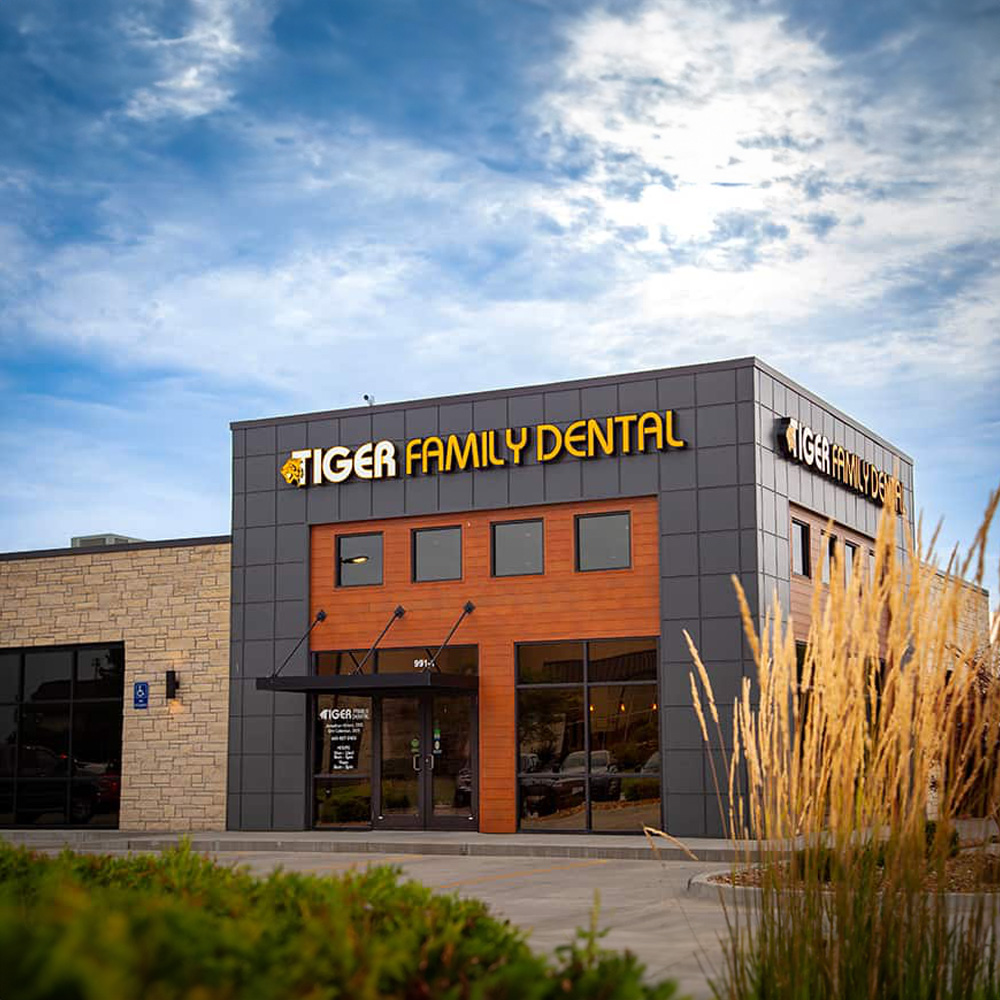
Looking to schedule your next dental visit or learn more about our services?
Getting in touch with Tiger Family Dental is simple! Our friendly team is ready to help you book appointments, answer questions about treatments, and address any concerns. Whether you’d like to call, or use our convenient online form, we’re here to assist you. Take the first step toward a healthy, confident smile — contact us today and experience the difference personalized dental care can make.