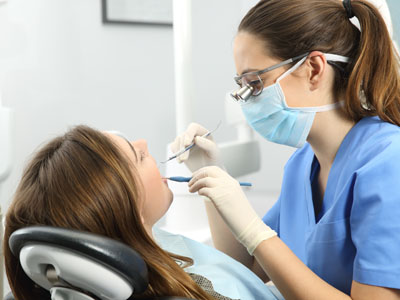
Good daily oral hygiene—regular brushing and flossing—is the foundation of a healthy smile. Even with the most careful home routine, however, mineralized deposits and bacterial biofilms can form in places your toothbrush and floss can’t reach. Professional dental cleanings remove these hidden threats and give your mouth a fresh start, helping prevent small problems from becoming more serious.
Professional cleanings are not simply cosmetic polishings; they’re a clinical step in preventive care that protects your teeth and gums and supports long-term oral health. The information below explains what a cleaning involves, why it matters for your overall well-being, and how the right cadence of visits helps you maintain a resilient, comfortable smile.
At-home care is essential, but it can’t completely eliminate tartar (hardened plaque) once it forms. Tartar bonds to enamel and can extend below the gumline, creating an environment where bacteria thrive. A professional cleaning removes these deposits and reduces the bacterial load that leads to cavities and gum inflammation.
Left unchecked, chronic gum inflammation can progress to periodontal disease, which affects the tissues that support teeth. Regular cleanings interrupt that progression by eliminating irritants and allowing the gums to heal. Think of cleanings as routine maintenance that preserves the structure and function of your teeth over time.
Beyond tooth and gum preservation, cleanings offer an opportunity for early detection. During a cleaning visit hygienists and clinicians look for signs of decay, unusual wear, soft tissue changes, and other indicators that might require attention. Treating problems early tends to be simpler and more predictable than addressing advanced conditions.
Finally, the rhythm of regular professional care reinforces good habits. Patients who keep scheduled cleanings typically receive ongoing feedback about technique, product recommendations, and behavioral adjustments that support better daily home care.
Cleanings today combine traditional tools with technology to achieve a thorough, efficient result. The appointment usually begins with an examination of the mouth to identify areas of concern, followed by removal of plaque and tartar with a combination of ultrasonic and hand instruments. Ultrasonic scalers loosen and flush away deposits; hand instruments provide fine control for detailed smoothing.
After scaling, the hygienist polishes the teeth to reduce surface staining and create a smoother enamel surface that resists plaque buildup. Polishing also helps remove soft debris and leaves the mouth feeling refreshed. In many cases a protective fluoride application or a topical remineralizing product may be offered to strengthen enamel, especially for patients at higher risk of decay.
Throughout the visit, clinicians pay close attention to patient comfort. For those with sensitivity or anxiety, topical desensitizers or local anesthetic can be used selectively. The goal is an effective cleaning delivered in a calm, manageable way so patients leave comfortable and informed rather than frazzled.
Documentation and communication are part of the process: clinicians record the condition of gums, note any changes since the last visit, and discuss observations and next steps with the patient. This creates a continuous care record and helps plan preventive or restorative measures if needed.
Immediate benefits of a dental cleaning include fresher breath, smoother tooth surfaces, and removal of stains that dull your smile. These practical effects are gratifying, but the deeper benefit is the protection of periodontal tissues—your gums and the bone that supports teeth. Healthy gums mean fewer disruptions to eating, speaking, and daily life.
Oral health is also connected to overall health. Chronic oral inflammation can influence systemic conditions and metabolic processes. Maintaining low levels of bacterial buildup and inflammation in the mouth contributes to overall wellness, making cleanings an investment not only in your smile but in your general health.
For patients with specific concerns—such as a history of periodontal disease, orthodontic appliances, or implanted devices—cleanings are tailored to address those needs. Hygienists adapt techniques and frequency to remove plaque around brackets, implants, or prosthetics, ensuring those areas stay clean and functional.
Professional cleanings also play a preventive role for future dental work. By keeping oral tissues healthy and minimizing inflammation, hygienic care helps create a stable environment for restorative procedures, cosmetic treatments, and long-term maintenance of dental restorations.
The traditional recommendation of twice-yearly cleanings fits many people, but the ideal schedule varies with individual risk factors. Patients with excellent home care and low disease risk may do well with routine semiannual visits, while others—those with a history of periodontal disease, a high rate of cavities, certain medical conditions, or tobacco use—often benefit from more frequent maintenance.
Assessing risk is a collaborative process between you and your dental team. At each visit clinicians review clinical findings, discuss oral hygiene habits, and consider systemic health factors. From that conversation they recommend a cadence of care that balances prevention with convenience, aiming to minimize disease progression while supporting a manageable routine.
Consistency is the most important element. Whatever the recommended interval, keeping to the schedule ensures that small issues are caught early and that the cumulative benefits of prevention are realized. Missed or sporadic care increases the chance that problems will develop unnoticed and require more involved treatment later.
If your situation changes—medication shifts, pregnancy, changes in medical history, or new restorations—the recommended frequency can be adjusted. Regular check-ins create flexibility so your hygiene plan evolves with your needs.
Modern cleanings combine clinical precision with a focus on patient experience. Equipment such as ultrasonic scalers, digital imaging, and intraoral cameras improves diagnosis and treatment while minimizing chair time. These tools allow clinicians to work efficiently and explain findings visually, so patients understand the condition of their mouths and the rationale for care.
Equally important is how care is delivered: hygienists aim to tailor each appointment to the patient’s comfort, sensitivity level, and personal preferences. Whether that means a gentler technique for those with sensitive teeth, brief pauses for comfort, or specific home-care tips for challenging areas, individualized attention makes preventive care more effective and less stressful.
At our Sedalia office, the team emphasizes clear communication and practical guidance. We combine evidence-based protocols with patient education—helping you translate clinical recommendations into everyday habits that strengthen oral health. This collaborative approach builds confidence and encourages long-term maintenance.
When advanced concerns are identified, the cleaning appointment naturally becomes a gateway to coordinated care. Hygienists and doctors work together to create treatment plans, referrals, or monitoring strategies as needed so patients receive seamless, well-informed care.
Regular dental cleanings are a simple, proven way to protect your smile and support overall health. If you’d like to learn more about what to expect during a cleaning or to discuss a schedule tailored to your needs, please contact Tiger Family Dental for more information.


A professional dental cleaning is a preventive procedure performed by a dental hygienist or dentist to remove plaque, tartar and bacterial biofilm that daily brushing and flossing cannot fully eliminate. It typically includes a clinical examination, scaling with ultrasonic and hand instruments, polishing and, when appropriate, a topical fluoride or remineralizing application. Removing hardened deposits and smoothing tooth surfaces reduces bacterial load and helps protect teeth and gums from decay and inflammation.
Beyond immediate improvements in freshness and appearance, cleanings provide an opportunity for early detection of problems such as cavities, unusual wear or soft tissue changes. Clinicians document findings and discuss observations so that issues can be managed while they are easier to treat. Regular professional care preserves the supporting tissues around teeth and supports long-term oral function.
Most routine dental cleaning visits last about 30 to 60 minutes depending on the patient’s needs and the complexity of the case. A standard appointment includes a brief oral exam, scaling to remove plaque and tartar, polishing and any preventive applications or patient education. Patients with more extensive buildup, active gum disease or additional procedures may require longer visits or a series of appointments.
Your dental team will explain the expected length when you schedule and can adjust the plan for comfort or time constraints. Efficient use of modern instrumentation often shortens chair time while preserving thoroughness. Clear communication about symptoms and prior dental history helps clinicians allocate the appropriate time for each visit.
Modern cleanings use a combination of ultrasonic scalers and hand instruments to remove tartar above and below the gumline; ultrasonic devices loosen deposits while hand tools provide precise smoothing. Polishing tools reduce surface staining and create a smoother enamel surface that resists plaque accumulation, and topical agents such as fluoride or remineralizing gels may be applied when indicated. Digital radiography, intraoral cameras and electronic charting often supplement the visit to document findings and enhance diagnosis.
These technologies improve both the speed and accuracy of care while minimizing patient discomfort. Visual aids from intraoral cameras help clinicians show patients areas of concern and explain recommended hygiene improvements. When special circumstances exist—such as sensitive teeth, implants or fixed appliances—clinicians choose instruments and protocols designed to protect oral tissues and restorations.
Most patients experience only mild discomfort during routine cleanings, although sensitivity can occur, especially when tartar is heavy or gums are inflamed. Hygienists use gentle techniques, topical desensitizers and brief pauses to maintain comfort, and local anesthetic can be offered selectively for deeper scaling or patients with significant sensitivity. Communicating concerns before and during the appointment allows the team to adapt the approach for a more comfortable experience.
Post-procedure sensitivity is usually temporary and responds well to desensitizing toothpaste, fluoride applications or short-term adjustments in home-care technique. If sensitivity persists beyond a few days or is severe, clinicians will evaluate for underlying causes such as recession, cracked teeth or active decay and recommend appropriate treatment. Ongoing dialogue helps minimize discomfort and ensures effective preventive care.
Professional cleanings remove tartar and bacterial reservoirs that contribute to gum inflammation and the formation of periodontal pockets, interrupting the cycle that can lead to periodontitis. By reducing the bacterial load and allowing inflamed tissues to heal, cleanings slow or prevent progression of tissue destruction that threatens tooth support. Regular removal of deposits also reduces the chance that acids produced by bacteria will erode enamel and produce cavities.
Cleanings are paired with risk assessment and personalized home-care advice, which reinforces effective brushing and interdental cleaning habits. For patients with elevated risk—such as those with a history of periodontal disease, reduced saliva flow or certain medical conditions—the dental team recommends a tailored maintenance schedule to control disease activity. Consistent professional care plus improved daily hygiene together deliver the best protection against decay and periodontal breakdown.
The traditional recommendation of every six months fits many patients, but the ideal interval depends on individual risk factors and clinical findings. Patients with excellent oral hygiene and low disease risk often do well with semiannual visits, while those with active periodontal disease, a high rate of cavities, tobacco use or certain systemic conditions may benefit from more frequent maintenance visits. Your dental team assesses clinical signs, review of history and hygiene habits to recommend a personalized cadence.
Frequency can change over time as your health, medications or dental restorations evolve, so periodic reassessment is important. Keeping to the recommended schedule ensures early identification of problems and maintains the cumulative benefits of preventive care. If circumstances change, the team will adjust your hygiene plan to balance disease control and convenience.
Yes. Cleanings are adapted to address the specific challenges posed by orthodontic appliances, dental implants and periodontal conditions. For patients with braces or fixed orthodontic appliances, hygienists use specialized brushes, interdental tools and techniques to remove plaque around brackets and wires. For implants and prosthetics, the team uses implant-safe instruments and protocols to protect fixture surfaces while removing biofilm.
Patients with a history of periodontal disease typically receive deeper or more frequent maintenance visits focused on reducing pocket depths and controlling inflammation. Hygienists monitor healing, provide targeted instruction for home care and coordinate with the dentist to determine whether adjunctive therapies or further periodontal treatment are needed. Personalized technique and timing are key to maintaining health around teeth and restorations.
After a cleaning many patients notice smoother tooth surfaces and fresher breath; mild gum tenderness or transient sensitivity is common but generally resolves in a few days. Clinicians often recommend specific home-care steps such as effective brushing, daily interdental cleaning and, when appropriate, the use of fluoride or antimicrobial products tailored to your needs. Follow-up instructions may also include brief behavior changes—like avoiding highly staining foods or acidic beverages for a short period—if polishing or fluoride was applied.
If you experience prolonged bleeding, severe pain or signs of infection after a cleaning, contact your dental office for evaluation. Regular adherence to recommended home care and recall visits helps sustain the benefits achieved during the appointment and reduces the chance of more invasive treatment later. Ongoing communication with your dental team ensures the care plan remains practical and effective for your lifestyle.
Yes. A cleaning visit includes an oral soft tissue exam during which clinicians look for signs of oral cancer, unusual lesions, mucosal changes and patterns of wear that might indicate clenching or grinding. Hygienists and dentists also note any changes in bite, tooth mobility or unexplained erosion that could signal broader concerns. Early detection of these findings facilitates timely referral, monitoring or intervention when needed.
Because oral health can reflect systemic health, clinicians review medical history and medications as part of the visit to identify factors that influence oral conditions, such as dry mouth or bleeding tendencies. When a concern suggests a medical connection, the dental team coordinates with the patient’s medical providers or recommends appropriate diagnostic steps. This integrated approach supports both oral and overall health.
At Tiger Family Dental the clinical team combines modern equipment with patient-centered practices to deliver thorough cleanings while minimizing discomfort. Hygienists tailor technique, instrument choice and appointment pacing to individual sensitivity levels, and staff use visual aids and clear explanations so patients understand findings and home-care recommendations. For patients who need additional support, options such as topical desensitizers or sedation dentistry are available when appropriate and clinically indicated.
Communication is emphasized throughout the visit so adjustments can be made in real time to maintain comfort and effectiveness. The practice documents findings and collaborates with patients to create a preventive plan that fits their health needs and daily routine. This personalized, evidence-based approach helps patients maintain oral health with confidence and minimal stress.
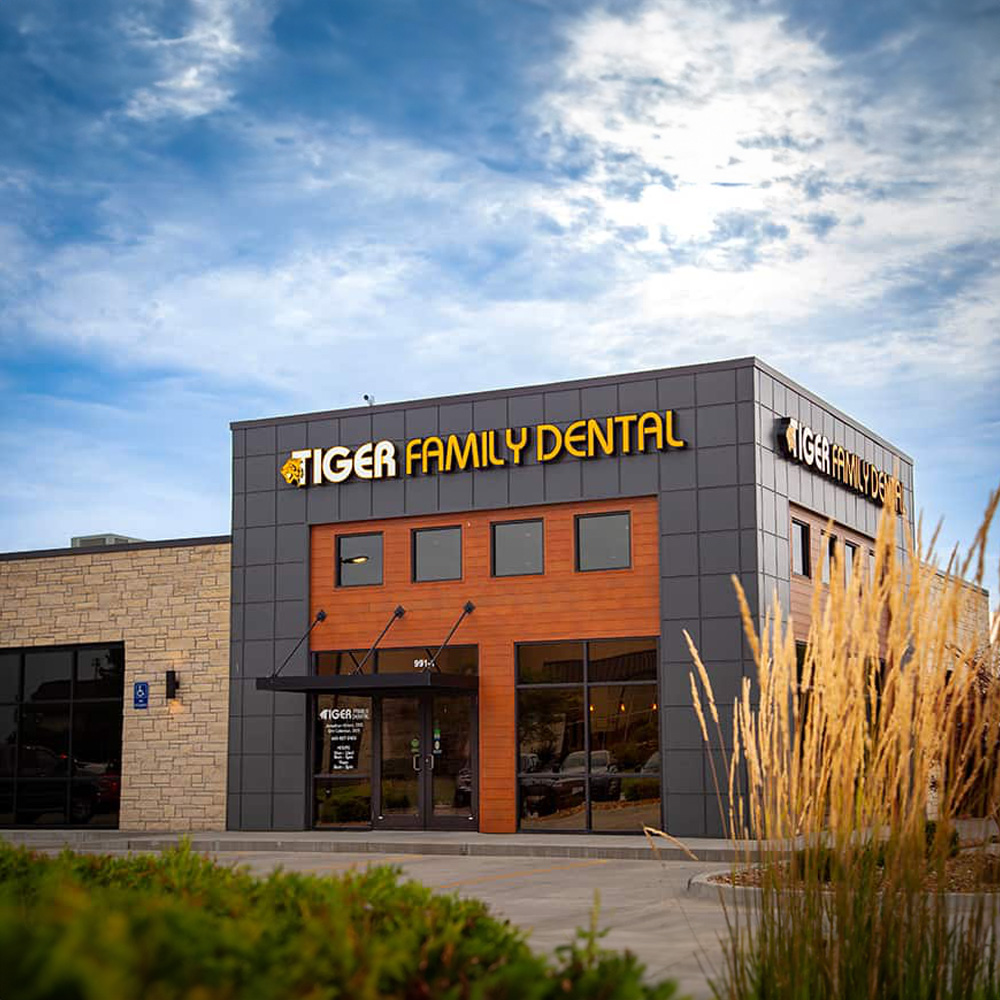
Looking to schedule your next dental visit or learn more about our services?
Getting in touch with Tiger Family Dental is simple! Our friendly team is ready to help you book appointments, answer questions about treatments, and address any concerns. Whether you’d like to call, or use our convenient online form, we’re here to assist you. Take the first step toward a healthy, confident smile — contact us today and experience the difference personalized dental care can make.