Dental sealants are a preventive coating applied to the chewing surfaces of posterior teeth, designed to block the narrow pits and grooves where food and bacteria hide. Unlike fillings, which repair damage after decay has begun, sealants act as a physical barrier that makes those textured areas easier to clean and less hospitable to cavity-causing organisms. This protective layer is especially effective on newly erupted permanent molars and premolars, where deep fissures and immature enamel can leave a tooth more vulnerable to decay.
Sealants are made from a medical-grade resin that bonds to the enamel. Once in place, the material fills the crevices and creates a smooth surface that brushing can more readily address. Because of this, sealants are often recommended as part of a comprehensive prevention plan: they complement brushing, flossing, and fluoride rather than replacing those essential habits. Public health organizations, including the American Dental Association, note that sealants can dramatically lower the incidence of decay on molar surfaces.
For parents and caregivers, sealants are a practical, minimally invasive strategy that can reduce future restorative work by preventing cavities from forming in the first place. The procedure is quick, painless, and conservative—the tooth’s structure is preserved, and no drilling is required if the surface is intact. For many families, sealants represent an efficient step toward maintaining long-term oral health for children and adolescents.
Children and adolescents are the primary candidates for sealants because their permanent back teeth (molars and premolars) have complex grooves and are often difficult to clean thoroughly. Newly erupted permanent teeth have enamel that is still maturing and may be more susceptible to decay. Because young patients may not yet have effective brushing technique or consistent oral hygiene habits, sealants provide an additional line of defense during these formative years.
That said, sealants are not exclusively for children. Teenagers and adults who have deep fissures, a history of cavities, or limited ability to maintain ideal oral hygiene can also benefit. In some cases, sealants are placed over areas of very early decay (incipient lesions) to halt progression when restoration is not yet necessary. A dental exam and radiographs help determine whether a sealant is an appropriate preventive measure based on the shape of the tooth and the patient’s individual risk profile.
Anyone with heightened risk factors—frequent snacking on sugary foods, orthodontic appliances that make cleaning harder, or medical conditions that affect saliva flow—should discuss sealants with their dentist as a complementary preventive option. Sealants are a targeted, evidence-based way to reduce the chance that vulnerable chewing surfaces will develop cavities over time.
The placement of a dental sealant is a straightforward, chairside procedure that typically takes only a few minutes per tooth. After isolating and cleaning the tooth surface, the clinician applies a mild etching solution to help the sealant adhere to the enamel. The tooth is then rinsed and dried thoroughly. The sealant material is painted onto the grooves and fissures as a liquid and flows into those hard-to-reach areas before it is cured with a blue light to harden it in place.
Because the process is noninvasive, local anesthesia is usually not necessary. Patients—especially children—tend to tolerate the procedure well because it is quick and comfortable. Following placement, the dentist will check the bite to ensure the sealant does not interfere with chewing and will polish any rough edges if needed. Proper isolation and technique help maximize bonding and longevity.
After the appointment, normal eating and drinking can resume right away, and routine brushing and flossing should continue as usual. Sealants do not replace the need for regular dental checkups; instead, they work alongside professional cleanings and exams to maintain oral health and catch any issues early.
Sealants are durable, but they are not permanent. With proper placement and routine care, many sealants last several years and often remain intact through critical childhood and adolescent years. During regular dental checkups, the condition of sealants is assessed; small chips or wear can be repaired or the sealant can be refreshed as needed. Early detection of any deterioration helps ensure continuous protection of the tooth surface.
Good oral hygiene practices support sealant longevity. Brushing twice daily with fluoride toothpaste, flossing once daily, and minimizing frequent sugar exposure all reduce the load of bacteria that can challenge tooth surfaces, sealant or not. Avoiding habits that place excessive stress on teeth—such as chewing ice or using teeth as tools—also helps prevent accidental damage to sealant material.
If a sealant shows signs of wear or loss, reapplication is straightforward and conservative: the surface is cleaned, possibly re-etched, and new material is applied. Regular dental exams are the best way to stay on top of any maintenance needs so sealants continue to serve as an effective preventive measure through the years when they matter most.
Sealants are most effective when they are part of a broader, personalized prevention strategy that includes routine cleanings, fluoride treatments when appropriate, and patient education. Fluoride strengthens enamel and works synergistically with sealants to reduce decay risk. Professional cleanings remove plaque and calculus that brushing and flossing might miss, while periodic assessments let clinicians tailor preventive recommendations based on each patient’s risk profile.
Behavioral factors—daily oral hygiene, diet, and habits—remain central to avoiding cavities. Sealants are a highly focused intervention for the chewing surfaces that are hardest to keep clean, while other preventive measures support overall dental health. Clinicians will balance these tools according to age, medical history, orthodontic status, and past decay to build a practical plan that fits each family.
At Tiger Family Dental we view sealants as an important, evidence-based option for many patients. When integrated into routine care and reinforced with good home habits, sealants help reduce the need for future restorative treatment and keep more tooth structure intact. If you are curious whether sealants are right for your child—or for yourself—discussing your needs during a dental visit will clarify the best path forward.
In summary, dental sealants are a safe, minimally invasive way to protect vulnerable chewing surfaces from decay. They work best as one element of a complete preventive program that includes cleanings, fluoride, and solid home care. Contact the office of Tiger Family Dental for more information about whether sealants are a good fit for your family’s dental health needs.


Dental sealants are a thin, medical-grade resin applied to the chewing surfaces of molars and premolars to block narrow pits and grooves where food and bacteria collect. The material flows into fissures and hardens to create a smooth surface, making it easier to remove plaque with brushing and less hospitable to cavity-causing organisms. Sealants act as a preventive barrier rather than a restorative treatment, reducing the likelihood that decay will begin in those hard-to-clean areas.
Sealants bond to enamel after a brief preparation that improves adhesion, and they complement other preventive strategies such as fluoride and professional cleanings. Public health organizations recognize sealants as an evidence-based measure to lower the incidence of molar decay, especially on newly erupted permanent teeth. When placed correctly, sealants become part of a layered approach to protecting chewing surfaces over time.
Children and adolescents are the most common candidates because their newly erupted permanent molars and premolars often have deep fissures and immature enamel that make them more vulnerable to decay. Young patients also may not yet have effective brushing technique or consistent oral hygiene habits, so sealants provide added protection during those formative years. Dentists typically evaluate tooth anatomy and decay risk to determine if sealants are appropriate at the time of eruption.
Sealants are not limited to pediatric patients; teenagers and adults with deep grooves, a history of cavities, or difficulty maintaining ideal oral hygiene can also benefit. Patients with orthodontic appliances or frequent exposure to sugary snacks may be considered higher risk and evaluated for sealing. A tailored risk assessment during an exam helps clinicians decide who will gain the most preventive benefit.
Yes, dental sealants are widely used and considered safe when applied by a trained dental professional. They are made from materials that are tested for dental use and placed in a conservative, noninvasive manner that preserves tooth structure. Any potential risks are minimal and usually relate to normal wear, loss of material, or rare allergic reactions in susceptible individuals.
Concerns about material components have been studied and regulatory bodies set standards to ensure safety in clinical practice. Your dentist will review medical history and allergies as part of the evaluation before placing a sealant. Ongoing monitoring during regular dental visits helps identify and address any issues early.
The sealant placement is a straightforward, chairside procedure that generally takes only a few minutes per tooth. The clinician isolates and cleans the tooth surface, applies a mild etching solution to promote bonding, rinses and dries the enamel, and then paints the liquid sealant into the grooves before curing it with a high-intensity light. The process is noninvasive and typically does not require local anesthesia.
After curing, the dentist checks the bite and makes any necessary adjustments to ensure the sealant does not interfere with chewing. Patients can resume normal eating and oral hygiene immediately, though routine brushing and flossing should continue as usual. Follow-up checks during regular visits confirm that the sealant is intact and functioning as intended.
Sealants are durable but not permanent; many last several years when placed properly and maintained with routine care. The exact longevity depends on factors such as the patient’s bite, chewing habits, and oral hygiene, and small chips or wear are not uncommon over time. Regular dental checkups provide an opportunity to inspect sealants and repair or refresh material as needed to maintain protection.
The office of Tiger Family Dental assesses sealants at each exam and can reapply or repair material in a conservative visit if deterioration is detected. Good home care—brushing twice daily with fluoride toothpaste, flossing daily, and avoiding habits that stress teeth—supports sealant longevity. Timely repairs are quick and preserve the preventive benefit without requiring extensive restorative treatment.
No, sealants are intended to complement, not replace, fluoride treatments and daily oral hygiene habits. Fluoride strengthens enamel and helps prevent decay across all tooth surfaces, while sealants specifically protect the fissured chewing surfaces that are hardest to clean. Professional cleanings, patient education, and consistent home care remain central to a comprehensive prevention plan.
Clinicians balance these tools based on age, medical history, and individual risk factors to build a practical strategy for each patient. Combining sealants with fluoride, regular exams, and effective brushing and flossing provides the best protection against cavities. Behavioral changes such as reducing frequent sugar exposure further reduce decay risk alongside these preventive measures.
In some situations, sealants can be used to arrest very early, noncavitated lesions by sealing off the area from bacterial activity and halting progression. Dentists evaluate the depth and activity of an incipient lesion with visual examination and radiographs to determine whether sealing is appropriate. If decay has progressed into a true cavity, a restorative procedure is usually required instead of a sealant.
When sealants are chosen for borderline cases, the decision is based on clinical judgment and careful monitoring. Follow-up visits allow the clinician to reassess the treated area and intervene promptly if signs of progression appear. This conservative approach can preserve tooth structure when used in the right circumstances.
Yes, adults can benefit from sealants in certain situations, particularly when molars or premolars have deep fissures or when a patient has a history of decay that suggests ongoing risk. Adults with limited dexterity, orthodontic appliances, or other factors that make cleaning difficult may be appropriate candidates. The decision to place sealants on adult teeth is individualized and depends on enamel condition and overall risk profile.
Because adult enamel is typically more mature and mineralized, dentists evaluate whether sealing will provide meaningful protection for that specific tooth. If a tooth surface is sound or only minimally at risk, a sealant may be applied conservatively to add a protective layer. Regular evaluation ensures that the sealant continues to serve its preventive purpose for adult patients.
Caring for teeth with sealants follows the same principles as caring for any teeth: brush twice daily with fluoride toothpaste, floss once daily, and limit frequent snacking on sugary foods and drinks. These habits reduce bacterial load and acid exposure, protecting both sealed and unsealed surfaces from decay. Avoiding hard or abrasive items such as ice or using teeth as tools helps prevent mechanical damage to the sealant material.
Maintain regular dental visits so your clinician can inspect sealants for wear, chips, or loss and perform repairs when needed. Prompt assessment of any roughness or sensitivity helps preserve the protective benefit and prevents progression of decay. Consistent home care combined with professional monitoring maximizes the lifespan and effectiveness of sealants.
A dental exam and risk assessment are the best ways to determine whether sealants are an appropriate preventive option. The clinician will evaluate tooth anatomy, eruption status, past decay history, oral hygiene habits, and other risk factors to form a personalized recommendation. Diagnostic tools such as visual inspection and radiographs help clarify whether a tooth has sound enamel suitable for sealing.
At Tiger Family Dental our team discusses the benefits and limitations of sealants during routine visits and helps families decide whether to proceed based on clinical findings. If sealants are recommended, the practice schedules placement at a convenient time and monitors the material during follow-up exams to ensure ongoing protection. Asking your dentist about sealants during your next appointment is the simplest way to get a tailored plan.
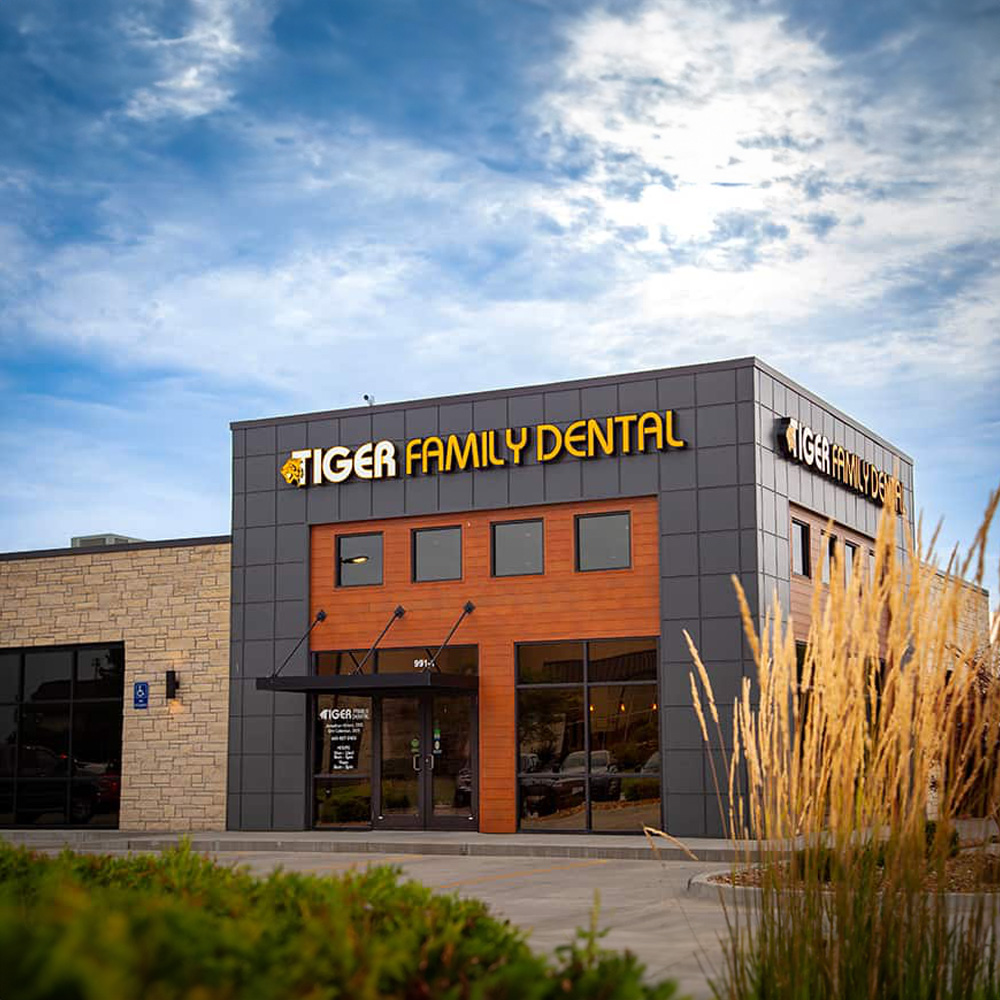
Looking to schedule your next dental visit or learn more about our services?
Getting in touch with Tiger Family Dental is simple! Our friendly team is ready to help you book appointments, answer questions about treatments, and address any concerns. Whether you’d like to call, or use our convenient online form, we’re here to assist you. Take the first step toward a healthy, confident smile — contact us today and experience the difference personalized dental care can make.