Digital impressions use handheld intraoral scanners to capture a precise, three-dimensional image of your teeth and surrounding tissues. Instead of filling your mouth with impression material, the scanner records a series of high-resolution images that the computer stitches together into a detailed virtual model. This model becomes the starting point for crowns, bridges, implant restorations, clear aligners, and other dental appliances — all created from an accurate, manipulable digital file rather than a physical mold.
For patients, the shift from traditional putty impressions to digital scanning is immediately noticeable. The process is less intrusive, avoids the discomfort and gagging some people experience with conventional materials, and eliminates the need to sit with a material that hardens in place. Clinically, digital impressions reduce variables that can compromise fit, such as distortion during removal or changes in humidity during shipping, leading to more predictable restorative outcomes.
At Tiger Family Dental we view digital impressions as an investment in both precision and patient experience. By capturing the oral structures digitally, the practice can move faster from diagnosis to fabrication, collaborate more efficiently with dental laboratories or in-office milling systems, and give patients clearer visual explanations of proposed treatments. The result is a smoother process from the chair to the finished restoration.
The scanning appointment typically begins with a brief exam and routine drying of the teeth to ensure the surface is ready for imaging. Your clinician will then use a small wand-like scanner to move systematically around the dental arches. The device captures thousands of images per second and converts them into a continuous 3D model in real time, so the clinician can immediately verify coverage and accuracy. Most scans are completed in a matter of minutes, depending on the scope of the work.
During the scan, you’ll be able to breathe and swallow normally, and the team will pause to check critical areas like margins, interproximal contacts, and bite relationships. If any area needs rescanning, the software makes it simple to capture only that section rather than repeating the entire impression. For complex cases — such as restorations that require precise occlusal alignment or multi-unit implant work — the scan may be combined with bite registrations or digital impressions of opposing arches to ensure a harmonious fit.
Once the scan is complete, the digital file can be refined and annotated by the clinician before being sent electronically to a dental laboratory or to an in-office CAD/CAM system. Because the file is digital, it can be examined from multiple angles, measured with high precision, and archived without taking up physical storage space. This modern workflow provides both immediate visual feedback for patients and a robust, reproducible foundation for creating durable restorations.
Comfort is one of the most tangible advantages of digital impressions. Patients who have experienced traditional impressions often cite gag reflexes, unpleasant tastes, and the awkward sensation of having their mouth full of material as deterrents. Scanning is non-invasive and avoids these issues, making it easier to care for patients with anxiety, a sensitive gag reflex, or special needs. This streamlined experience can also shorten chair time and reduce the need for repeat visits caused by impression errors.
Accuracy matters when restorations must fit precisely against natural tooth structure or implants. Digital scans minimize the distortions that can happen with physical impressions during removal, casting, or shipment. The high level of detail captured by modern scanners translates into restorations that seat more predictably and require fewer adjustments at delivery. For patients, that often means a smoother final appointment and restorations that feel more natural from day one.
Digital impressions also improve communication. Clinicians can display the 3D model to patients, highlight areas of concern, and explain proposed treatments using visual aids that are easy to understand. This transparency helps patients see exactly what the clinician sees, making treatment planning a collaborative process. In short, digital impressions make the dental experience more comfortable, more precise, and more informative for the person receiving care.
Finally, because digital files can be retained indefinitely without physical storage concerns, follow-up care and future restorations become simpler. Lab or practice records are instantly accessible if future adjustments or remakes are needed, improving continuity of care over time.
From a clinical perspective, digital impressions streamline many of the logistical steps that traditionally lengthened the restorative process. Electronic transmission of the scan to a dental laboratory eliminates the need for packing and shipping physical impressions, which shortens turnaround times and reduces the risk of damage in transit. When the practice uses an in-office CAD/CAM system, the same digital file can be used to design and mill restorations on-site, enabling single-visit crowns and other same-day solutions.
Digital files also facilitate more effective collaboration with dental labs. Technicians can work directly from high-resolution 3D models, apply digital design tools, and communicate adjustments back to the clinician with annotated images. This back-and-forth is faster and more precise than phone calls or handwritten notes, and it helps ensure the final restoration matches the planned contours, occlusion, and esthetics. For complex implant and multi-unit cases, the ability to overlay scans and plan prosthetics digitally improves predictability throughout treatment.
Workflow benefits extend beyond speed. Digital impression systems support standardized protocols, which can reduce technician variability and improve overall quality control. They also aid record-keeping: digital archives are searchable and readily transferable should you change providers or require an interdisciplinary consult. These efficiencies free clinical time to focus on patient care rather than administrative tasks, which can enhance the overall patient experience in the practice.
Following a digital scan, the next steps depend on the type of restoration or appliance being planned. For indirect restorations, the digital file is reviewed and sent to a lab or used to fabricate the restoration in-office. If a same-day crown or veneer is an option, the design and milling process may occur while you wait, with final adjustments and polishing performed before the restoration is bonded in place. For lab-fabricated work, the lab uses the digital model to produce the final piece and communicates with the clinician about any specific requirements or finishing touches.
Patients do not typically need special preparation for a digital impression appointment other than routine oral hygiene. It helps to arrive with clean teeth, free of excessive food debris, so the scanner can capture accurate margins and surfaces. If you wear removable orthodontic appliances or retainers, bring them to the appointment so the clinician can evaluate occlusion and fit relative to any existing appliances. The team will explain what to expect and how the digital data will be used in your treatment plan.
When the restoration is ready, the clinician will check fit, occlusion, and esthetics and make any fine adjustments before finalizing the appointment. Because digital impressions tend to improve the initial fit, the adjustment phase is often shorter and less invasive than with older workflows. Aftercare follows standard restorative guidelines, and your clinician will provide specific instructions to help maintain the longevity and appearance of the new restoration.
Digital impressions represent a modern, patient-friendly approach to taking dental records that improves comfort, accuracy, and clinical efficiency. By replacing messy materials with precise digital scans, the practice can reduce remakes, speed lab communication, and, when appropriate, offer same-day restorations using in-office CAD/CAM technology. These advances benefit both clinical teams and patients by making restorative care more predictable and less disruptive.
If you’d like to learn how digital impressions may apply to your treatment, contact Tiger Family Dental or reach out to the practice to discuss options and schedule a consultation. Our team is happy to explain the scanning process, show examples of digital workflows, and help you understand which restorative pathways may be available for your smile.


Digital impressions are three-dimensional records of teeth and adjacent oral tissues captured with a handheld intraoral scanner. The scanner takes many high-resolution images that software stitches into a continuous virtual model used for crowns, bridges, implant restorations, clear aligners and other appliances. Because the output is a manipulable digital file, laboratories and CAD/CAM systems can use it directly without creating a physical stone model.
Compared with traditional putty impressions, digital scans are less intrusive and reduce common issues like gagging, distortion during removal and changes during shipping. Digital models also allow clinicians to verify coverage in real time and to rescann targeted areas rather than repeating an entire impression. At Tiger Family Dental we use digital impressions to streamline workflows and improve communication with patients and laboratories.
A typical intraoral scan begins with a brief exam and routine drying of the teeth to optimize surface detail. The clinician then moves a small wand-like scanner around the dental arches while software captures thousands of images per second and builds a continuous 3D model in real time. The live display lets the clinician confirm that margins, occlusal contacts and interproximal areas are fully captured before finishing the scan.
Patients can breathe and swallow normally during the procedure, and any small areas that need refinement are rescanned without redoing the full impression. For complex cases the scan may be combined with bite registrations or scans of opposing arches to ensure proper occlusion. Most single-arch scans take only a few minutes, with total appointment time depending on the scope of the planned restoration.
Most patients are good candidates for digital impressions, including those receiving crowns, bridges, implant restorations, orthodontic appliances and night guards. People with a sensitive gag reflex or anxiety about traditional impression materials often find scanning more comfortable and easier to tolerate. Pediatric patients and those with special needs may also benefit from the noninvasive, shorter scanning process.
Certain clinical situations can present challenges—for example, very limited mouth opening, heavy bleeding or excessive saliva may complicate capture and require additional technique or retraction. Reflective surfaces like metal restorations sometimes need the operator to adjust scanning angles or apply scanning spray if appropriate. Your clinician will evaluate your individual case and recommend the best approach for accurate records.
Modern intraoral scanners produce high-resolution models that support precise restorative design and improved fit compared with many traditional workflows. Digital capture reduces sources of distortion that occur with tray removal, casting and shipping, which helps restorations seat more predictably at delivery. Accuracy also depends on operator technique, scanner calibration and proper tissue management during capture.
For single-unit crowns and many multi-unit restorations, digital files provide enough detail for reliable fabrication by labs or in-office milling systems. For full-arch implant prosthetics or highly complex occlusal reconstructions, clinicians may combine scans with additional records such as CBCT or physical verification to ensure optimal outcomes. The end result is a reproducible digital foundation that supports high-quality restorative work when used with careful clinical protocols.
Yes; when a practice has an integrated CAD/CAM system, the digital impression can be used to design and mill restorations on-site, enabling same-day crowns, inlays and veneers in appropriate cases. The digital workflow moves quickly from scan to design and fabrication, reducing the number of appointments required for straightforward restorative needs. Clinicians still verify fit, occlusion and esthetics before bonding the final restoration to ensure clinical success.
Not every case is appropriate for single-visit delivery—complex multi-unit work, esthetic layering needs or specialized materials may still be completed through a lab. Even when a laboratory is involved, electronic transmission of the digital file shortens turnaround and improves collaborative planning. Your clinician will discuss whether a same-day option is clinically suitable for your treatment goals.
Digital files can be transmitted electronically to dental laboratories, specialists or in-house designers, enabling faster and more precise collaboration. Technicians can view high-resolution 3D models, annotate areas that need modification and return feedback to the clinician quickly without the delays and risks associated with shipping physical impressions. This back-and-forth supports clearer instructions and makes revisions more efficient.
For interdisciplinary cases, digital scans can be overlaid with other diagnostic data such as CBCT or treatment planning files to coordinate prosthetic and surgical steps. The result is improved predictability across implant, orthodontic and restorative workflows. Because records are shareable and reproducible, continuity of care is easier when multiple providers are involved.
Preparation for a digital impression is minimal: maintain regular oral hygiene and arrive with clean teeth free of visible food debris to help the scanner capture accurate margins and surfaces. Bring removable appliances such as retainers or night guards so the clinician can assess occlusion and fit in context with existing devices. If you have any concerns about sensitivity, limited opening or gag reflex, let the team know in advance so accommodations can be made.
The clinician will explain the scanning process and answer questions before beginning, and routine drying or retraction may be used to improve visibility. There is no need to fast or change medications specifically for a scan unless instructed for another concurrent procedure. Good communication helps ensure an efficient appointment and the most accurate digital record.
Digital scanning is broadly safe and noninvasive; there is no exposure to ionizing radiation during the capture itself and most patients find the experience comfortable. Limitations are primarily practical: saliva, heavy bleeding or very reflective surfaces can affect image capture and may require additional retraction, drying or technique adjustments. In a few cases, repeat scanning of localized areas is necessary to ensure complete and accurate data.
Infection control is managed through protective barriers and standard sterilization protocols for scanner components that contact the mouth. The quality of the final restoration also depends on proper lab communication and clinician verification at try-in, so scans are one part of a comprehensive workflow rather than the sole determinant of success. When technical limitations arise, clinicians use alternative or supplemental methods to achieve the intended outcome.
Digital impressions are saved as electronic files in the practice's secure record system and can be archived indefinitely without the physical storage needs of stone models. Secure storage enables clinicians to retrieve prior scans for follow-up care, remakes or comparison over time, which helps preserve continuity and facilitate future treatment planning. Access is typically restricted to authorized members of the clinical team and any laboratories or specialists involved in the case through controlled, encrypted file transfer.
Patients who change providers can request digital copies of their records to support continuity of care, and files can be shared with new clinicians or labs as needed for ongoing treatment. The practice follows privacy and record-keeping policies to protect patient information, and staff can explain how files are managed and transferred upon request. Keeping accurate digital records improves coordination and reduces delays when additional restorative work is required later.
After the scan, the clinician reviews and refines the digital file, then either sends it electronically to a dental laboratory or proceeds with in-office CAD/CAM design and milling if available. For in-office fabrication, the design and milling steps can often be completed the same day, with final adjustments and polishing performed before bonding the restoration. When a lab is involved, electronic transmission shortens turnaround compared with mailed impressions, but fabrication time depends on the lab workflow and the complexity of the case.
At your next appointment the clinician will check fit, occlusion and esthetics and make any necessary adjustments before permanently seating the restoration. Because digital impressions typically improve the initial fit, adjustments are often minor and the clinical delivery tends to be smoother. The team at Tiger Family Dental will explain the expected timeline for your specific treatment and keep you informed at each step.
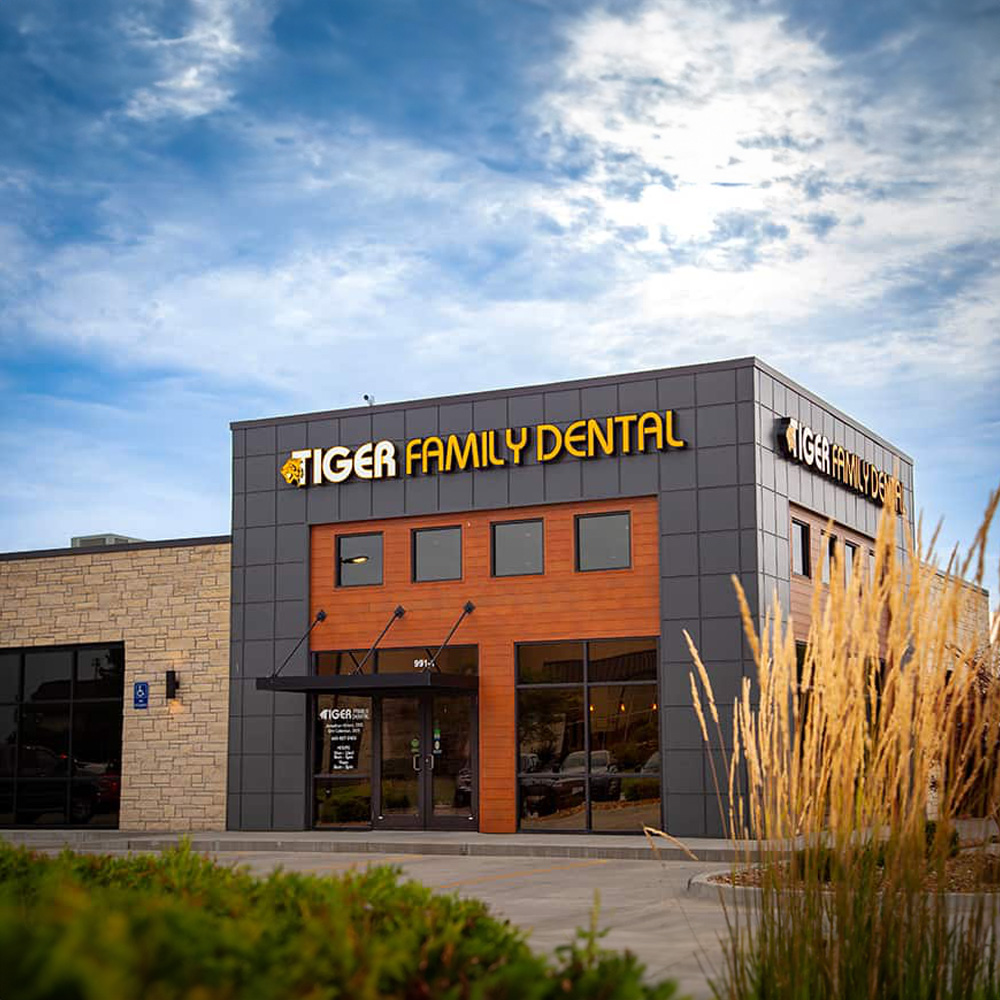
Looking to schedule your next dental visit or learn more about our services?
Getting in touch with Tiger Family Dental is simple! Our friendly team is ready to help you book appointments, answer questions about treatments, and address any concerns. Whether you’d like to call, or use our convenient online form, we’re here to assist you. Take the first step toward a healthy, confident smile — contact us today and experience the difference personalized dental care can make.