At the office of Tiger Family Dental, our first goal is to protect your long-term oral health. While we prioritize saving natural teeth whenever possible, there are times when removing a tooth is the most responsible course of care. When extraction is recommended, we focus on clear communication, careful planning, and patient comfort so you understand why removal is necessary and what happens next.
Deciding to extract a tooth is never taken lightly. We evaluate each case on its individual merits — considering the tooth’s condition, surrounding structures, overall oral health, and your general medical history. Our recommendations balance short-term needs with the best outcome for your bite, function, and smile over time.
Most patients find the process less intimidating when they understand the reasons behind it and the steps we take to minimize discomfort. Below are common scenarios where extraction may be the most appropriate treatment path; each entry explains the concern and how removal can prevent further problems.
Primary (baby) teeth that don’t fall out on schedule or are severely damaged
When a primary tooth fails to loosen and fall out naturally, it can block the eruption of the permanent tooth beneath it. Sometimes the roots of a baby tooth don’t resorb properly, or the tooth becomes fused to the bone. Removing an over-retained primary tooth can help the adult tooth erupt into the correct position and prevent crowding or misalignment.
Permanently damaged teeth that can’t be rebuilt
Extensive decay or structural loss can leave too little healthy tooth to support a filling or crown. When the tooth’s integrity and the supporting tissues are compromised beyond restoration, extraction protects surrounding teeth and the jaw from spreading infection or further destruction.
Severely fractured teeth
Cracks and fractures vary widely; a minor chip may be reparable, while deeper breaks that involve the root or split the tooth vertically often cannot be saved. In those cases, removal may be the safest option to prevent pain, chronic infection, or damage to neighboring teeth.
Advanced periodontal disease
Periodontal disease can erode the bone and soft tissues that hold teeth in place. When support has been lost to the point that teeth are loose or pose an infection risk, extraction can halt progression and make it easier to stabilize the rest of the mouth with targeted periodontal therapy.
Wisdom teeth that are impacted, painful, or decayed
Third molars frequently lack the space to erupt cleanly and can become trapped, partially exposed, or heavily decayed. Removing problem wisdom teeth early can prevent damage to adjacent teeth, recurrent infections, and cyst formation.
Extractions as part of orthodontic planning
When the dental arch is crowded, selective removal of one or more permanent teeth may be advised to create room for predictable alignment. Extractions performed for orthodontic reasons are planned carefully with your orthodontist to achieve the best long-term function and appearance.

Every extraction begins with a focused evaluation. We review your medical and dental histories, take diagnostic images when needed, and discuss any medications or medical conditions that could affect treatment. Accurate planning helps us choose the least invasive approach and anticipate any special precautions required for your safety.
We use up-to-date imaging and diagnostic tools to assess root anatomy and surrounding bone. This assessment tells us whether a tooth can usually be removed with forceps and elevators (a straightforward approach), or whether surgical access will be needed. We’ll explain these differences and set expectations so you know what to expect on the day of the procedure.
Comfort is a priority throughout. Local anesthesia reliably numbs the area, and for patients who prefer added relaxation we offer options in dental sedation. If you have an underlying health condition or take blood-thinning medications, we coordinate with your physician as needed to reduce procedural risk and ensure appropriate pain management and healing.
When a tooth is fully visible and the roots are straightforward, removal is typically quick and minimally invasive. After numbing the tissues, the tooth is mobilized and removed with gentle pressure. Most patients tolerate simple extractions well and return to normal activities within a short recovery period.
Some teeth—especially broken-down, impacted, or ankylosed teeth—require more advanced techniques. Surgical extractions may involve a small incision in the gum, precise removal of a bit of bone, or sectioning the tooth for safer removal. In certain situations, we refer patients to an oral and maxillofacial surgeon to ensure the most appropriate surgical care.
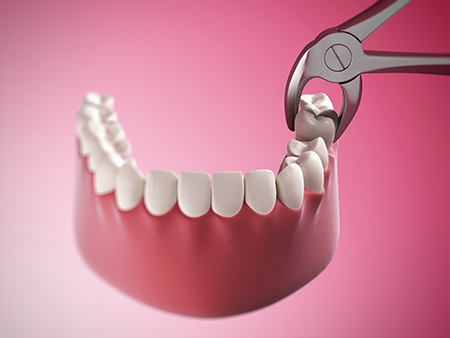
A planned recovery is key to uncomplicated healing. After your procedure we provide clear, individualized instructions about activity, medications, and wound care. Following these steps reduces the risk of infection and helps the socket form a healthy blood clot, which is essential for healing.
We schedule follow-up visits when needed to monitor sutures or check for signs of infection. If you experience persistent bleeding, increasing pain, swelling beyond the expected timeline, or any unusual symptoms, contact our team promptly so we can evaluate and intervene if necessary.
Below are practical, evidence-based measures that most patients find helpful during the first days after an extraction. These guidelines are written for typical simple extractions; your provider may modify them based on the specifics of your case.
Use gauze to control bleeding
We will place gauze over the extraction site; gently bite down to maintain firm pressure. Change the gauze after the first hour as needed. Minor oozing can continue for up to 24 hours, but persistent heavy bleeding should be reported to our office.
Protect numb areas
Until sensation returns, avoid chewing on the treated side and be careful not to bite your lips, tongue, or cheek. Numbness can last a few hours depending on the anesthetic used.
Take medications as directed
Antibiotics:
If prescribed, take the full course exactly as instructed to reduce the risk of infection.
Pain control:
Start an analgesic at the first sign of discomfort if advised. Follow directions for any prescription pain relievers and supplement with over-the-counter options as recommended.
Avoid disturbing the clot
Do not rinse vigorously, spit forcefully, or use a straw for the first 24 hours. These actions can dislodge the clot and delay healing.
Control swelling with ice
Apply an ice pack to the cheek in 10‑minute intervals during the first day to minimize swelling and discomfort.
Refrain from tobacco
Smoking or using tobacco products inhibits clot formation and slows healing. Avoid tobacco for at least one week after extraction.
Choose gentle foods
Start with soft, cool or lukewarm foods and avoid hot, spicy, or crunchy items for the first few days. Stay well hydrated.
Maintain gentle oral hygiene
Brush and floss the rest of your mouth carefully. After 24 hours, you may rinse gently with a mild saltwater solution to keep the area clean, taking care not to spit forcefully.
Keep follow-up appointments
If stitches were placed or if your case is complex, returning for a post-operative visit helps us confirm that healing is proceeding as expected.
If you notice signs of infection—such as rising fever, increased facial swelling, or persistent foul taste—contact our team so we can evaluate and provide appropriate care.
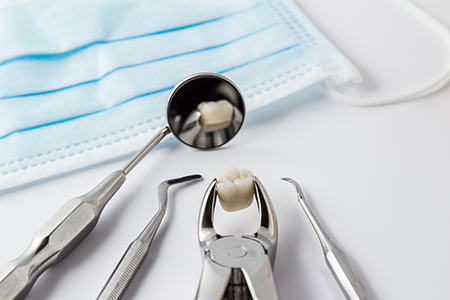
Removing a tooth can resolve immediate problems, but planning for the future is part of responsible care. Depending on the location and function of the extracted tooth, we will discuss options to restore chewing ability, prevent shifting of adjacent teeth, and preserve esthetics.
Common replacement solutions include removable prosthetics, fixed bridges that span the gap, and dental implants that replace the tooth root and crown. Each approach has different clinical indications; we’ll review which options best suit your anatomy, oral health, and long-term goals.
Timing matters: in some cases we recommend immediate or early replacement to maintain bone and soft tissue contours, while other situations require a healing period before restorative work begins. Our team will outline the appropriate sequence so you can make an informed decision about restoring your smile.
Your comfort and safety are priorities in every procedure we perform. Our team combines modern diagnostic tools, careful surgical technique, and attentive post-operative follow-up to reduce risk and support efficient healing. We take time to explain the process so you know what to expect before, during, and after treatment.
When a tooth needs to be replaced, we’ll present the full range of options — from conservative restorations to implant-based solutions — and help you weigh the benefits of each. Our aim is to restore function and confidence while protecting the health of the rest of your mouth.
If you have questions about tooth removal, the recovery process, or replacement choices, reach out to our team for more information. We’re happy to explain the steps involved and help you determine the best plan for your needs.


Extraction becomes the healthiest option when a tooth cannot be predictably restored or when it threatens the surrounding teeth, bone, or overall oral health. Examples include teeth with extensive decay that leave too little structure to support a crown or filling, teeth with vertical root fractures, and teeth compromised by advanced periodontal disease. In children, removing an over‑retained primary tooth can allow the permanent tooth to erupt properly and prevent alignment problems.
We evaluate each case individually by reviewing your medical and dental history, performing a clinical exam, and using diagnostic imaging to understand root anatomy and bone support. The decision balances immediate risks like infection or pain against long‑term function and esthetics for your bite. When extraction is recommended, we explain alternatives and the expected benefits so you can make an informed choice.
There are two main categories of tooth removal: simple and surgical extractions. Simple extractions are used when the tooth is fully erupted and accessible; they typically involve local anesthesia, gentle mobilization, and removal with forceps and elevators. Surgical extractions are indicated for impacted, broken, ankylosed, or otherwise difficult teeth and may require a small incision, removal of a bit of bone, or sectioning the tooth for safe extraction.
The choice of technique depends on root shape, position, and surrounding bone, which we determine using X‑rays or 3D imaging when needed. Surgical cases require more planning and sometimes sutures, but they are routine for experienced clinicians and oral surgeons. If a case is complex, we coordinate with or refer to an oral and maxillofacial surgeon to ensure optimal outcomes.
Preparing for an extraction begins with a thorough medical and dental history and a review of any medications you take, including blood thinners and supplements. Tell us about heart conditions, diabetes, pregnancy, or past reactions to anesthesia so we can plan safe care and decide whether medical coordination or modified timing is necessary. Diagnostic imaging and a focused oral exam help us select the least invasive approach and anticipate special needs during the procedure.
Follow any pre‑procedure instructions we provide, such as fasting guidelines if you plan to use sedation and directions about routine medications. Arrange for transportation if you will have moderate or deep sedation, and bring a list of current medications and your primary care physician’s contact information if requested. Clear communication and preparation reduce risk and make the appointment more comfortable.
Local anesthesia is used for most extractions to numb the area thoroughly and keep you comfortable during the procedure. For patients who experience anxiety or prefer added relaxation, we offer sedation options that range from mild oral sedatives to nitrous oxide and, when appropriate, deeper levels of monitored intravenous sedation. The choice of sedation is based on the complexity of the extraction, your medical history, and personal comfort preferences.
We discuss the benefits and risks of each option before treatment and provide specific pre‑ and post‑sedation instructions. During the procedure we monitor vital signs and ensure a safe recovery period before discharge. If you have medical conditions or take medications that affect sedation, we coordinate care with your physician to optimize safety.
Initial healing typically involves a blood clot forming in the extraction socket, which protects the wound and supports tissue regeneration. During the first 48 to 72 hours you may experience mild to moderate swelling, some bruising, and controlled bleeding or oozing that gradually subsides. Most patients can manage discomfort with prescribed or over‑the‑counter pain relievers, rest, and following the post‑op instructions provided by the team.
Follow‑up varies with the complexity of the extraction; simple cases may not require an in‑office return, while surgical extractions or cases with sutures often benefit from a post‑operative visit. Maintain gentle oral hygiene, avoid disturbing the clot, and choose soft foods during the early phase of healing. If healing progresses normally, soft tissue closure and comfort improve substantially within a week, with continued maturation over several weeks.
To control bleeding, gently bite on the gauze placed over the site and replace it as directed until bleeding decreases; minor oozing for up to 24 hours can be normal. Apply an ice pack to the outside of the cheek in intervals during the first day to limit swelling, and keep your head elevated when resting to reduce blood flow to the area. Follow instructions for prescribed antibiotics or analgesics, and begin pain medication at the first sign of discomfort when advised.
Avoid actions that can dislodge the clot such as spitting, rinsing vigorously, or using a straw during the initial 24 hours. Refrain from tobacco use for at least one week because smoking delays clot formation and healing. After 24 hours, gentle saltwater rinses and careful brushing of adjacent teeth help maintain a clean environment without disrupting healing.
Most extractions heal without issue, but complications can occur and are usually manageable when identified early. The most common problems include prolonged bleeding, infection, and alveolar osteitis, commonly called dry socket, which causes increased pain when the clot is lost prematurely. We advise patients to call if they experience rising fever, worsening swelling, persistent bleeding, or severe pain that does not respond to recommended measures.
Treatment depends on the complication: we may irrigate and medicate the socket, place a dressing, prescribe antibiotics when infection is present, or provide targeted pain management for dry socket. Prompt communication with the team allows us to intervene quickly and reduce the risk of longer‑term problems.
Wisdom teeth, or third molars, frequently present unique challenges because they often lack sufficient space to erupt properly and can be partially impacted, angled, or trapped beneath bone. These factors increase the likelihood of surgical extraction, which may involve incisions, bone removal, or sectioning of the tooth for safe extraction. The nearby anatomy, including nerves and sinuses, is carefully evaluated with imaging to plan a technique that minimizes risk.
Early removal of problematic wisdom teeth can prevent recurrent infections, damage to adjacent teeth, cyst formation, and long‑term pain. We discuss the timing and risks clearly and coordinate referral to an oral surgeon when advanced surgical care is the safest option. Post‑operative care for wisdom teeth often requires additional monitoring due to the surgical nature of the procedure.
Replacing a removed tooth is often recommended to restore chewing function, prevent drifting of adjacent teeth, and preserve esthetics and bone volume. Options commonly include removable prosthetics, fixed bridges, and dental implants; each approach has different indications based on location, bone quality, and long‑term goals. We review these choices and tailor recommendations to your anatomy and overall oral health.
Timing for replacement varies: some situations allow for immediate placement of a temporary or permanent restoration, while others require a healing period to allow bone and soft tissue to recover. When preserving bone is important for future implant success, we may recommend grafting or staged timing to optimize outcomes and maintain healthy contours.
Tiger Family Dental emphasizes patient comfort, careful planning, and modern diagnostics to provide predictable extraction outcomes and attentive post‑operative support. We use up‑to‑date imaging and a team approach to determine the safest, least invasive method for each patient and to coordinate any necessary referrals for advanced surgical care. Our clinicians take time to explain the procedure, sedation options, and individualized aftercare so patients know what to expect at every stage.
Follow‑up is an important part of our process; we provide clear written instructions and are available to address concerns that arise during healing. When restorative planning is needed, we discuss replacement options and sequencing to protect function and esthetics over the long term. Our goal is to restore comfort and oral health while helping patients return to normal activities with confidence.
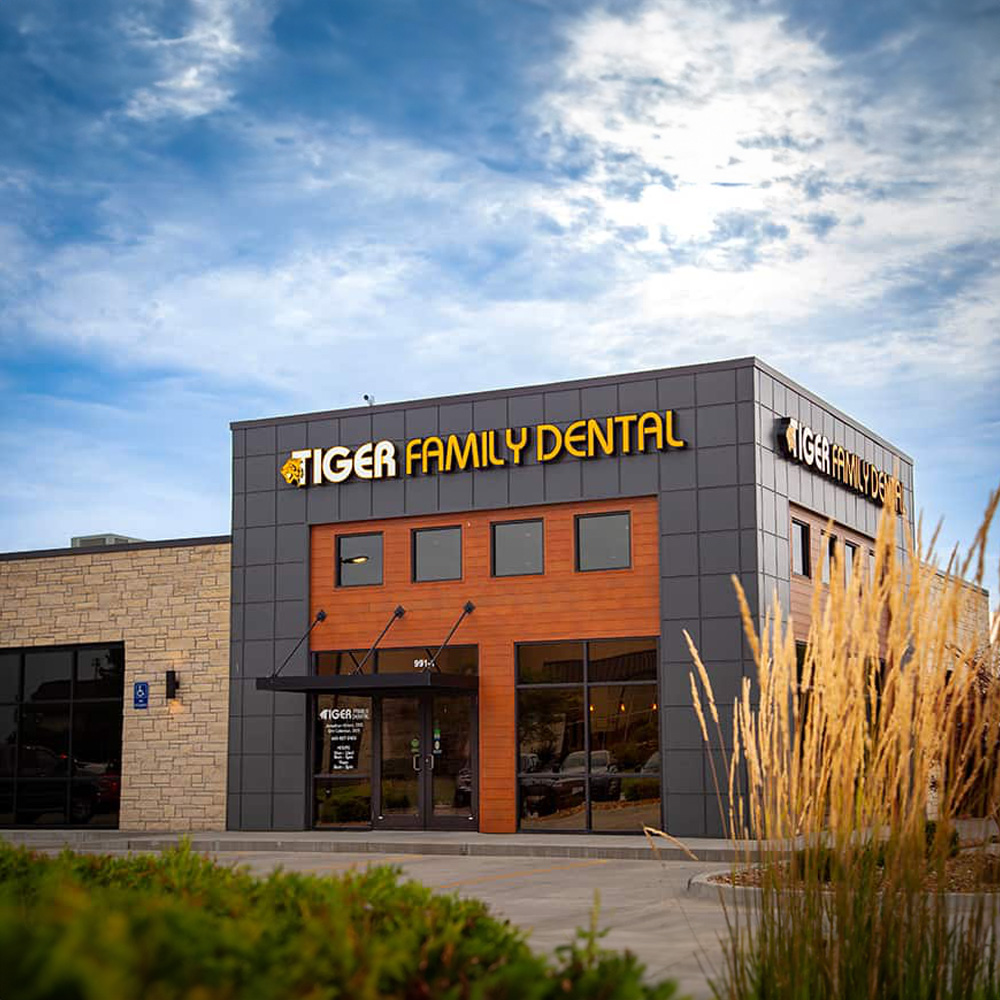
Looking to schedule your next dental visit or learn more about our services?
Getting in touch with Tiger Family Dental is simple! Our friendly team is ready to help you book appointments, answer questions about treatments, and address any concerns. Whether you’d like to call, or use our convenient online form, we’re here to assist you. Take the first step toward a healthy, confident smile — contact us today and experience the difference personalized dental care can make.