If multiple dental problems have left you avoiding photos, chewing carefully, or living with constant discomfort, comprehensive rebuilding of the mouth can restore both form and function. At Tiger Family Dental, our approach to full mouth reconstruction begins with careful listening and a thorough clinical assessment so each treatment plan is tailored to your needs, oral health history, and aesthetic goals. This process is about more than replacing teeth — it’s about reestablishing a comfortable bite, protecting oral health, and designing a smile that fits your face and lifestyle.
Before any restorative work begins, we perform a detailed evaluation that looks at every element affecting your oral health. This includes a full dental exam, digital X-rays, and, when indicated, 3D CBCT imaging to assess bone volume and the relationship of teeth to surrounding structures. We also examine bite alignment, jaw joint (TMJ) function, gum health, and the condition of existing restorations to build a complete picture of what needs attention.
Beyond imaging, we use digital impressions and intraoral scanning to capture precise records of your teeth and bite. These technologies let us plan restorations with greater accuracy, reduce chair time, and improve the fit of crowns, bridges, and implant-supported prostheses. A comprehensive assessment allows us to sequence treatment logically, address the most urgent problems first, and anticipate how one area of care will affect another.
Finally, planning frequently involves collaboration. When complex periodontal, orthodontic, or surgical needs are present, we coordinate with trusted specialists to integrate their expertise into your plan. That team-based approach ensures each phase of treatment supports lasting function, oral health, and esthetic harmony.
Full mouth reconstruction focuses on restoring reliable function so you can eat comfortably and speak clearly. Treatments can include a mix of crowns, onlays, fixed bridges, removable dentures, and dental implants depending on the condition of your remaining teeth and supporting bone. Implants often play a central role where teeth are missing, providing stable support for individual crowns or full-arch restorations.
When teeth have been worn down by grinding or misalignment, rebuilding the bite may require adjusting how upper and lower teeth meet. We carefully design occlusal schemes that distribute forces evenly and reduce stress on individual teeth and supporting tissues. In some cases, orthodontic movement or minor surgical adjustments are recommended to create the best foundation for durable restorations.
Attention to biomechanics is essential: proper crown shapes, precise occlusal contacts, and well-fitted prosthetics protect restorations from premature wear and help prevent future problems. Our goal is a functional outcome that feels natural in the mouth and stands up to daily use for years to come.
Achieving an attractive smile is a core goal of full mouth reconstruction, but esthetics must be balanced with oral health and function. We evaluate tooth proportions, smile line, gum contours, and facial features to create results that look natural and enhance overall facial harmony. Shade selection, translucency, and surface texture are all considered to ensure restorations blend seamlessly with any remaining teeth and the patient’s complexion.
For many patients, a combination of veneers, ceramic crowns, and implant-restored teeth provides the best esthetic and functional outcome. Modern ceramic materials offer both strength and lifelike appearance, permitting conservative tooth preparation while delivering excellent visual results. When gum levels are uneven or inflamed, periodontal treatment or minor gum-contouring procedures help create a healthier, more symmetrical smile frame.
Throughout the design process we use digital mock-ups and temporary restorations so you can preview changes and provide feedback. This collaborative step helps us refine shape, color, and proportion before definitive restorations are placed, ensuring you’re comfortable with the final look as well as the function.
Undergoing multiple dental procedures can seem daunting; we emphasize comfort, safety, and clear communication every step of the way. Local anesthetic techniques, gentle tissue handling, and thoughtful scheduling minimize discomfort during treatment. For patients with dental anxiety or complex surgical needs, we offer options to help you relax and remain comfortable during longer visits.
Minimally invasive techniques and modern technology reduce recovery time and improve predictability. Digital planning, guided implant placement, and high‑precision milling of ceramic restorations shorten the treatment timeline and improve restorative fit. When surgical interventions are necessary, careful planning and post‑operative care support faster healing and reduce the risk of complications.
Our team also prepares patients with realistic expectations for each phase of care: what to expect during procedures, typical healing timelines, and how we manage discomfort or temporary limitations in function. Clear instructions and attentive follow-up help you move through treatment confidently and safely.
Full mouth reconstruction is usually completed in phases so we can address urgent issues first, establish stable foundations, and progress to final esthetic solutions. Initial phases often focus on eliminating infection, treating periodontal disease, and stabilizing teeth that are compromised. Surgical or implant phases follow when necessary, and final restorative phases involve fitting crowns, bridges, or prostheses that restore form and function.
Temporary restorations play an important role during treatment, allowing us to test bite changes, refine esthetics, and ensure you are comfortable with the planned outcome. These provisional solutions also protect prepared teeth and maintain function while definitive work is completed. Because complex rehabilitation requires careful sequencing, we schedule follow-up visits to monitor healing and make any needed adjustments.
Long-term success depends on consistent maintenance. After reconstruction, regular dental checkups, professional cleanings, and a tailored home-care routine help protect your investment and preserve oral health. We’ll recommend preventive strategies—such as night guards for patients who grind, routine periodontal maintenance, and timely repair of any restoration—to keep your mouth healthy and functional for years to come.
Every full mouth reconstruction is different, but the common thread is an individualized plan that prioritizes lasting health, reliable function, and an appearance that suits you. If you’d like to learn more about how a comprehensive restorative approach could help in your situation, contact us for more information — our team is available to discuss your options and guide you toward the next step.


Full mouth reconstruction is a coordinated approach to restore the health, function, and appearance of all or most of the teeth rather than treating isolated problems. This comprehensive process evaluates the bite, jaw joint, gum health, tooth structure, and supporting bone to create a unified treatment plan that addresses underlying causes as well as visible damage. At Tiger Family Dental we focus on reestablishing a comfortable, stable bite and long-term oral health while designing restorations that fit your facial features and lifestyle.
Unlike a single crown, filling, or a simple bridge, full mouth reconstruction often combines several disciplines—restorative, periodontal, surgical, and sometimes orthodontic care—to produce predictable, durable results. The goal is not just to replace missing or damaged teeth but to balance biomechanics, protect remaining structures, and restore reliable chewing, speech, and esthetics. Because the work is interdependent, careful planning and sequencing are essential for lasting success.
Candidacy begins with a comprehensive clinical evaluation that includes a full dental exam, medical and dental history review, and imaging to assess bone, existing restorations, and periodontal health. We consider factors such as the extent of tooth loss or wear, bite misalignment, TMJ symptoms, gum disease, and overall medical status to determine whether staged rehabilitation is appropriate and safe. The assessment also explores your esthetic goals and functional needs to tailor a treatment plan that matches your expectations.
Diagnostics may reveal that some patients need preliminary care—such as periodontal therapy, endodontic treatment, or orthodontic alignment—before definitive restorations are placed. When complex needs exist, we coordinate with trusted specialists so each phase supports the overall plan and maximizes long-term stability. This stepwise approach helps ensure you are a suitable candidate and that outcomes are predictable and well supported.
We rely on a combination of clinical examination and modern imaging to build a complete diagnostic picture, including digital X-rays and, when indicated, 3D CBCT scans to evaluate bone volume and the relationship of teeth to surrounding structures. Intraoral scanners and digital impressions capture precise records of tooth shape and occlusion, allowing detailed planning and more accurate-fitting restorations. These technologies shorten chair time, improve laboratory communication, and help us anticipate surgical or prosthetic challenges before treatment begins.
Additional assessments include evaluation of TMJ function, bite analysis, periodontal charting, and photographic records to document soft tissue relationships and esthetic considerations. For complex cases we may use digital mock-ups and provisional restorations to test proposed changes and gather patient feedback before finalizing the design. This layered diagnostic approach reduces surprises and improves the predictability of the final outcome.
Treatment plans are individualized but often include a mix of crowns, onlays, veneers, fixed bridges, implant-supported restorations, and removable prostheses depending on tooth condition and bone support. Periodontal therapy to control gum disease and bone grafting or implant placement for missing teeth are common surgical components, while endodontic treatment preserves teeth that would otherwise be lost. Orthodontic movement or minor surgical adjustments may be incorporated when alignment or jaw position must be improved prior to definitive restoration.
Materials and techniques are selected to balance strength and esthetics, with modern ceramics frequently used for lifelike restorations and implants providing stable long-term support for single crowns or full-arch solutions. Temporary restorations are used throughout treatment to protect prepared teeth, allow function, and let patients preview esthetic changes. Every element is sequenced to build a stable foundation and achieve a natural, harmonious result.
Restoring function begins with careful analysis of how the upper and lower teeth meet and how jaw joints perform under load, then designing an occlusal scheme that distributes forces evenly across restorations and natural teeth. When teeth are worn or misaligned, we may increase vertical dimension, reshape restorations, or use orthodontics to reposition teeth for a more favorable bite. Implants and well-designed prosthetics provide stable support that restores efficient chewing and reduces strain on remaining teeth.
Biomechanics guide choices of material, crown morphology, and occlusal contacts to minimize wear and prevent future failure, and we test these changes with provisional restorations to ensure comfort and function before finalizing work. Night guards or bite splints are often recommended for patients with bruxism to protect restorations and natural teeth from excessive wear. The aim is a functional outcome that feels natural and endures daily use over time.
Esthetic planning considers tooth proportions, smile line, gum contours, and facial symmetry to create results that enhance appearance without looking artificial. We evaluate shade, translucency, and surface texture and often use digital mock-ups and temporary restorations so you can visualize changes and provide feedback before final ceramics are fabricated. Collaboration between clinician, dental laboratory, and patient is central to achieving a balanced, lifelike smile.
When soft tissue correction is needed, periodontal procedures such as gum contouring or grafting can improve symmetry and support esthetic outcomes. Modern ceramic materials allow conservative preparation with excellent optical properties, and precision milling ensures consistent fit and polish. The result is a smile that harmonizes with your face and stands up to functional demands.
We prioritize patient comfort through gentle techniques, effective local anesthetics, and clear communication about what to expect during each visit, including typical sensations and recovery timelines. For longer or more invasive appointments, we offer options to help patients relax and remain comfortable throughout treatment, and we plan procedures to minimize unnecessary visits and downtime. Attention to tissue handling, minimally invasive methods, and precise surgical guides reduces post‑operative discomfort and speeds healing.
Our team provides detailed pre‑ and post‑operative instructions and follows up to monitor healing and address concerns promptly, which helps patients feel supported throughout the process. Using technology such as guided implant placement and digital planning improves predictability and reduces chair time, contributing to a more comfortable overall experience. Open communication and personalized sedation or comfort options ensure each patient receives care aligned with their needs.
Full mouth reconstruction is typically completed in stages to address the most urgent health issues first, establish stable foundations, and progress to final esthetic solutions in a controlled sequence. Initial phases often handle infection control, periodontal therapy, or endodontic care, followed by surgical procedures like extractions or implant placement when indicated. Final restorative phases involve fitting crowns, bridges, or implant-supported prostheses once tissues have healed and occlusion has been stabilized.
Temporary restorations are essential for protecting prepared teeth, maintaining function, and testing changes in bite and appearance before definitive work is placed. They allow both clinician and patient to evaluate comfort, speech, and esthetics so refinements can be made without committing to permanent materials. This iterative process increases the likelihood of a durable, well‑tolerated final outcome.
Long‑term success depends on regular dental checkups, professional cleanings, and a personalized home‑care routine to protect gums, natural teeth, and restorations from disease and wear. We recommend scheduled maintenance visits to monitor periodontal health, check occlusion, and inspect restorations for wear or minor defects so issues can be addressed early. For patients who grind their teeth, nightly protective devices and routine follow‑ups help preserve the integrity of the reconstruction.
Timely repairs and routine preventive care greatly extend the life of restorations, and ongoing communication with your dental team ensures adjustments or hygiene needs are managed promptly. Developing habits such as effective brushing and interdental cleaning, combined with professional support, helps protect your investment and maintain comfort and function for years to come. We provide tailored recommendations based on the materials and treatments used in your reconstruction.
To begin, schedule a consultation so we can perform a comprehensive evaluation, review your medical and dental history, and discuss your goals for function and appearance. During that visit we use clinical exams and appropriate imaging to outline potential treatment phases and explain diagnostic findings in clear, understandable terms. You will have the opportunity to ask questions and see examples of digital mock‑ups or provisional designs that illustrate possible outcomes.
The Tiger Family Dental team emphasizes compassionate, modern care and coordinates with specialists when complex periodontal, orthodontic, or surgical needs are present to ensure an integrated plan. We focus on comfort, precise planning, and clear communication throughout each phase of treatment so you can proceed with confidence. If you are considering full mouth reconstruction, an initial consultation is the best way to learn which options suit your situation and what to expect during the process.
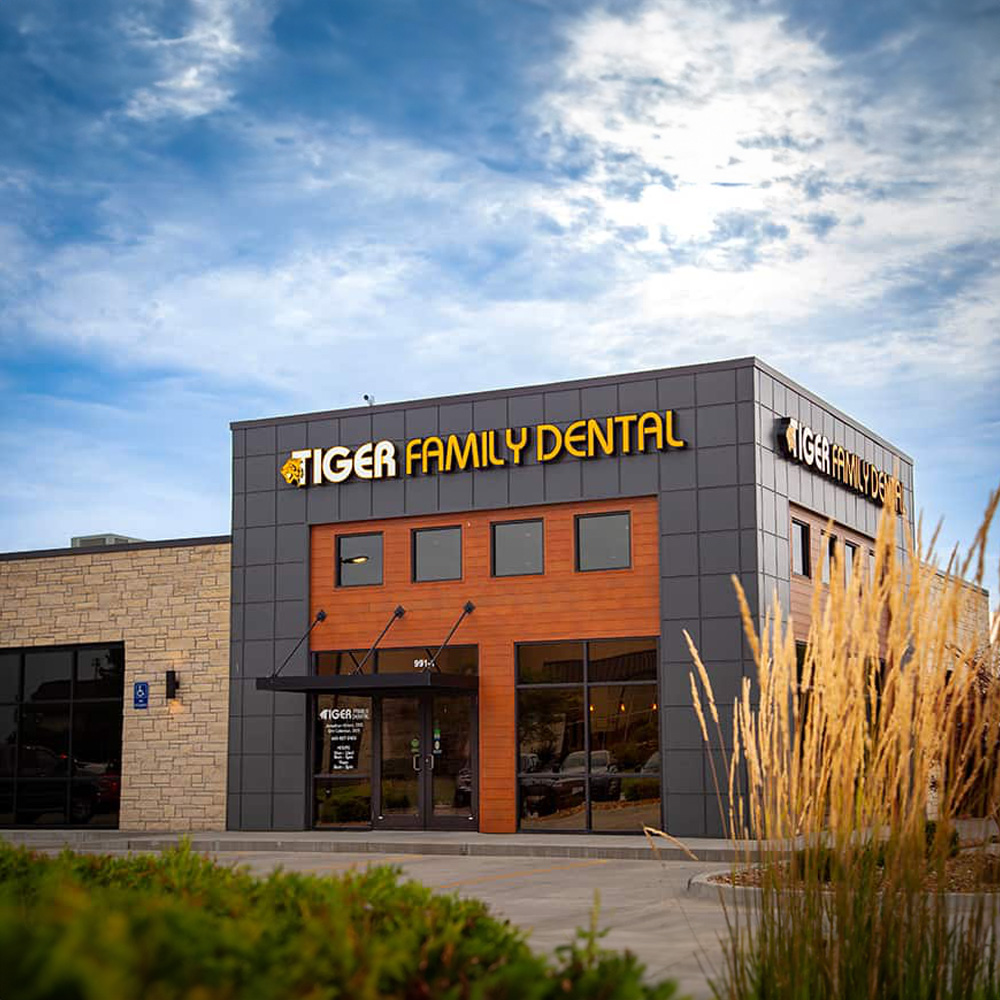
Looking to schedule your next dental visit or learn more about our services?
Getting in touch with Tiger Family Dental is simple! Our friendly team is ready to help you book appointments, answer questions about treatments, and address any concerns. Whether you’d like to call, or use our convenient online form, we’re here to assist you. Take the first step toward a healthy, confident smile — contact us today and experience the difference personalized dental care can make.