General dentistry is the foundation of lifelong oral health. In Sedalia, MO, our general dentistry approach focuses on preventive strategies, early detection, and treatments that preserve natural teeth whenever possible. This page explains how routine care, modern diagnostics, and patient-focused planning work together to keep your smile healthy and comfortable.
Whether you’re visiting for a routine exam or managing an ongoing dental concern, the goal is the same: maintain function, prevent disease, and help you feel confident about your oral health. Read on to learn how our general dentistry services support each stage of care, from childhood prevention to adult restorative needs.
Preventive dentistry is the most reliable way to avoid complex treatments down the road. Regular exams and professional cleanings remove plaque and tartar that at-home care can miss, reducing the risk of cavities and gum disease. During these visits, clinicians assess your oral hygiene habits and offer personalized recommendations to strengthen daily routines and dietary choices.
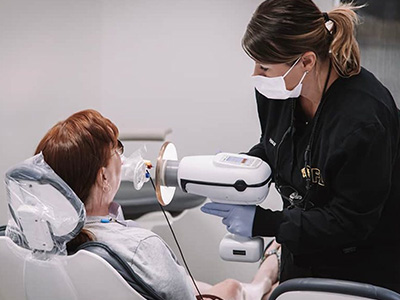
Digital X-rays and intraoral imaging provide a clearer picture of what’s happening beneath the surface, helping clinicians identify early signs of decay, bone loss, or other concerns. These tools enhance diagnosis while minimizing exposure and discomfort. Fluoride treatments and dental sealants are additional preventive measures that protect enamel and reduce sensitivity for patients of all ages.
Preventive care also emphasizes education and collaboration. We work with patients to develop practical plans that fit busy lives—whether that’s tailored brushing and flossing strategies for a child, or targeted maintenance for someone with a history of periodontal issues. The result is proactive care that preserves teeth and supports overall health.
Finding decay early makes treatment simpler and more conservative. When small lesions are identified promptly, they can often be addressed with minimally invasive restorations that preserve as much healthy tooth structure as possible. Tooth-colored composite fillings restore function and blend naturally with surrounding enamel.
Comprehensive exams combine visual inspection, tactile evaluation, and digital diagnostics to pinpoint areas at risk. If deeper decay or infection is present, clinicians will explain options like restorative crowns or root canal therapy, describing the steps and expected outcomes in straightforward terms so patients can make informed choices.
Preserving natural teeth is a primary goal of general dentistry. When restorative treatment is needed, the focus is on durable solutions that maintain chewing efficiency and long-term oral health, while minimizing disruption to daily life.
When a tooth is beyond repair, a careful, compassionate extraction can relieve pain and prevent further complications. Gentle techniques and attention to patient comfort help reduce anxiety and promote smoother recoveries. After extraction, clinicians discuss appropriate next steps to restore chewing function and aesthetics, emphasizing plans that align with a patient’s oral health goals.
Tooth replacement options range from fixed restorations like bridges and crowns to removable prosthetics. For patients considering implant-based solutions, general dentistry serves as the starting point for evaluation and coordination of care. Treatment planning accounts for bone health, neighboring teeth, and long-term maintenance to select the most appropriate course.
A thoughtful replacement strategy preserves adjacent teeth, supports facial structure, and helps prevent bite problems. By addressing extraction and replacement together, care remains focused on restoring full-mouth function while protecting overall oral wellness.
Sleep-disordered breathing — including snoring and obstructive sleep apnea — can affect oral and systemic health. For many patients, custom oral appliances offer a noninvasive option to improve airflow during sleep. These devices are tailored to fit comfortably while supporting the jaw in a position that reduces airway obstruction.
Assessment begins with a careful review of symptoms and medical history. If an oral appliance is appropriate, impressions and precise measurements ensure a personalized fit. Follow-up visits monitor comfort, effectiveness, and any necessary adjustments, so treatment integrates with the patient’s lifestyle and sleep needs.
Oral appliance therapy can complement broader medical management of sleep disorders or serve as a primary treatment for mild to moderate cases. By improving sleep quality, these appliances often lead to better daytime functioning, reduced snoring, and improved overall well-being.
Contemporary general dentistry combines clinical skill with technology designed to increase precision and comfort. Digital radiography, intraoral scanning, and advanced imaging help clinicians diagnose conditions earlier and plan treatments more efficiently. These technologies shorten appointment times and reduce the need for repeated procedures.
Alongside technical capabilities, patient comfort guides every interaction. That means clear explanations, options that respect personal preferences, and a calm environment where concerns are heard. For patients with anxiety or sensitivity, a range of comfort measures — from topical anesthesia to relaxation techniques — can make care more manageable.
Treatment planning emphasizes long-term oral health. Preventive maintenance, timely restorations, and open communication about home care create a partnership between clinician and patient. This collaborative model helps people make informed choices that align with their values and lifestyles.
In our practice, this combination of modern tools and a gentle philosophy supports predictable outcomes and positive experiences. Tiger Family Dental integrates evidence-based care with a focus on individualized treatment so patients can maintain healthy, functional smiles for years to come.
General dentistry is an ongoing process rather than a single event. Routine visits, timely interventions, and consistent home care form a cycle that preserves teeth and prevents progression of disease. By prioritizing early detection and patient education, general dentistry reduces the need for extensive procedures and supports overall health.
Every treatment plan is tailored to an individual’s needs, balancing short-term relief with long-term preservation. Whether the focus is prevention, restoration, or managing sleep-related concerns, coordinated care and clear communication help patients navigate options with confidence.
For more information about our general dentistry services or to discuss your specific oral health needs, please contact us. Our team can explain available services, answer your questions, and help you take the next step toward a healthier smile.


General dentistry covers the routine care and early interventions that keep teeth, gums and supporting tissues healthy throughout life. It includes regular exams, professional cleanings, diagnostics such as digital X-rays and intraoral imaging, preventive therapies like fluoride and sealants, and basic restorative care for cavities and minor damage. General dentists also coordinate care for more advanced needs, referring to specialists when appropriate while emphasizing preservation of natural tooth structure.
At Tiger Family Dental our general dentistry approach combines modern technology with patient-centered planning to address each person’s risks and goals. We focus on prevention, conservative restorations, and clear communication to help patients make informed decisions. This broad scope of services is designed to maintain function, comfort and appearance over the long term.
Most patients benefit from exams and professional cleanings every six months, which helps control plaque and detect problems early when treatment is simplest. Individual needs vary based on factors such as gum health, history of cavities, medical conditions and lifestyle, so your clinician may recommend shorter or longer intervals. Routine visits also provide an opportunity to review home care habits and update preventive strategies.
During a typical visit the team evaluates soft tissues, checks for signs of decay or bite changes, performs a professional cleaning and may take digital X-rays or intraoral photos as needed. These data points help build a personalized recall schedule and preventive plan. Consistent follow-up reduces the chance of complex treatments and supports overall oral health.
Digital X-rays and intraoral cameras provide clearer, more detailed images than traditional film while minimizing radiation exposure. These tools let clinicians view hard-to-see areas between teeth, beneath restorations and around bone levels, enabling earlier identification of decay, infection or bone changes. Better imaging supports more accurate diagnoses and more conservative treatment planning.
Images can also be shown and explained to patients during appointments, which helps people understand findings and evaluate their options. Faster image capture and digital storage streamline care and reduce repeat exposures. Overall, modern imaging improves clinical confidence and patient communication.
Preventive care for children emphasizes early education, habit guidance and targeted treatments that lower the risk of decay. Professional cleanings, fluoride varnish and topical treatments strengthen enamel, while dental sealants placed on chewing surfaces of molars create a barrier against bacteria and food particles. Regular checkups also allow clinicians to monitor eruption patterns and intervene early when problems arise.
Behavioral strategies and family-focused instruction are important components of pediatric prevention, including age-appropriate brushing and flossing techniques, dietary counseling and guidance on thumb-sucking or pacifier use. Establishing a positive relationship with dental visits reduces fear and encourages lifelong oral hygiene. Early intervention helps maintain healthy development of teeth and jaws.
When cavities are detected early, treatment focuses on removing minimally affected tissue and restoring the tooth with materials that conserve strength and appearance. Tooth-colored composite fillings bond to enamel and dentin, allowing conservative preparations and a natural look. The goal is to restore function while preserving as much healthy tooth as possible.
If decay is more advanced, clinicians explain options such as indirect restorations or crowns that protect the remaining tooth structure and restore chewing efficiency. In cases of deep infection, root canal therapy may be recommended to save the tooth and relieve pain. Throughout treatment planning the emphasis remains on durable solutions that support long-term oral health.
An extraction may be necessary when a tooth is severely decayed or damaged beyond repair, when advanced periodontal disease threatens surrounding teeth, or when space must be managed for orthodontic or prosthetic reasons. Clinicians use gentle techniques and local anesthesia to minimize discomfort and anxiety during the procedure. Clear preoperative instructions and a calm environment help make the experience as smooth as possible.
After extraction, follow-up care focuses on pain control, soft tissue healing and protecting the extraction site from infection. Clinicians discuss appropriate timing and options for tooth replacement to restore chewing function and prevent shifting of adjacent teeth. A thoughtful replacement plan helps maintain bite stability and long-term oral wellness.
General dentistry coordinates a range of tooth replacement options tailored to each patient’s health, anatomy and goals, including fixed bridges, removable dentures and implant-supported restorations. The dentist evaluates bone health, neighboring teeth and functional needs to recommend solutions that restore chewing, speech and appearance. When implants are appropriate, general dentists often work with or refer to implant specialists while overseeing restorative planning.
Each option carries different maintenance needs and timelines, so clinicians review pros and cons and set realistic expectations for healing and care. Long-term success depends on good oral hygiene, routine dental visits and periodic adjustments or maintenance. Coordinated care ensures replacements integrate with overall oral health strategies.
Yes. For patients with snoring or mild to moderate obstructive sleep apnea, custom oral appliances made by the dentist can reposition the jaw to keep the airway open during sleep. Assessment begins with a review of symptoms, medical history and, when appropriate, collaboration with a physician or sleep specialist. Impressions and precise measurements produce a personalized device that balances effectiveness and comfort.
Follow-up visits evaluate how the appliance affects sleep quality, jaw comfort and dental alignment, and adjustments are made as needed. Oral appliance therapy can be a primary treatment for some patients or part of a broader management plan that includes lifestyle changes or medical therapies. Regular monitoring ensures the appliance remains effective and does not cause unwanted dental changes.
Dental teams use a patient-first approach to address anxiety and sensitivity, beginning with open communication about fears, past experiences and comfort preferences. Simple measures such as topical anesthesia, slower appointment pacing, noise-cancelling options and clear step-by-step explanations often reduce stress for many patients. Clinicians also teach techniques for managing sensitivity at home, including desensitizing toothpaste and modified brushing methods.
When greater support is needed, practices offer sedation dentistry options and individualized care plans to ensure safe, comfortable treatment. Pre-visit planning and a calm, welcoming environment help patients feel more in control and promote better outcomes. The aim is to make dental care accessible and manageable so patients can maintain long-term oral health.
Tiger Family Dental emphasizes prevention, regular monitoring and patient education as the foundation of lasting oral health for families in Sedalia, MO and surrounding communities. The practice combines routine exams, professional cleanings, modern diagnostics and personalized home care guidance to catch issues early and minimize invasive treatments. Building a partnership with each patient helps tailor recall schedules and preventive strategies to individual risk profiles.
Advanced tools such as digital radiography and intraoral imaging enhance early detection, while conservative restorative approaches preserve natural tooth structure. Ongoing communication, practical oral hygiene advice and coordinated care for complex needs create a consistent framework for protecting smiles over a lifetime. This comprehensive focus supports both oral function and overall well-being.
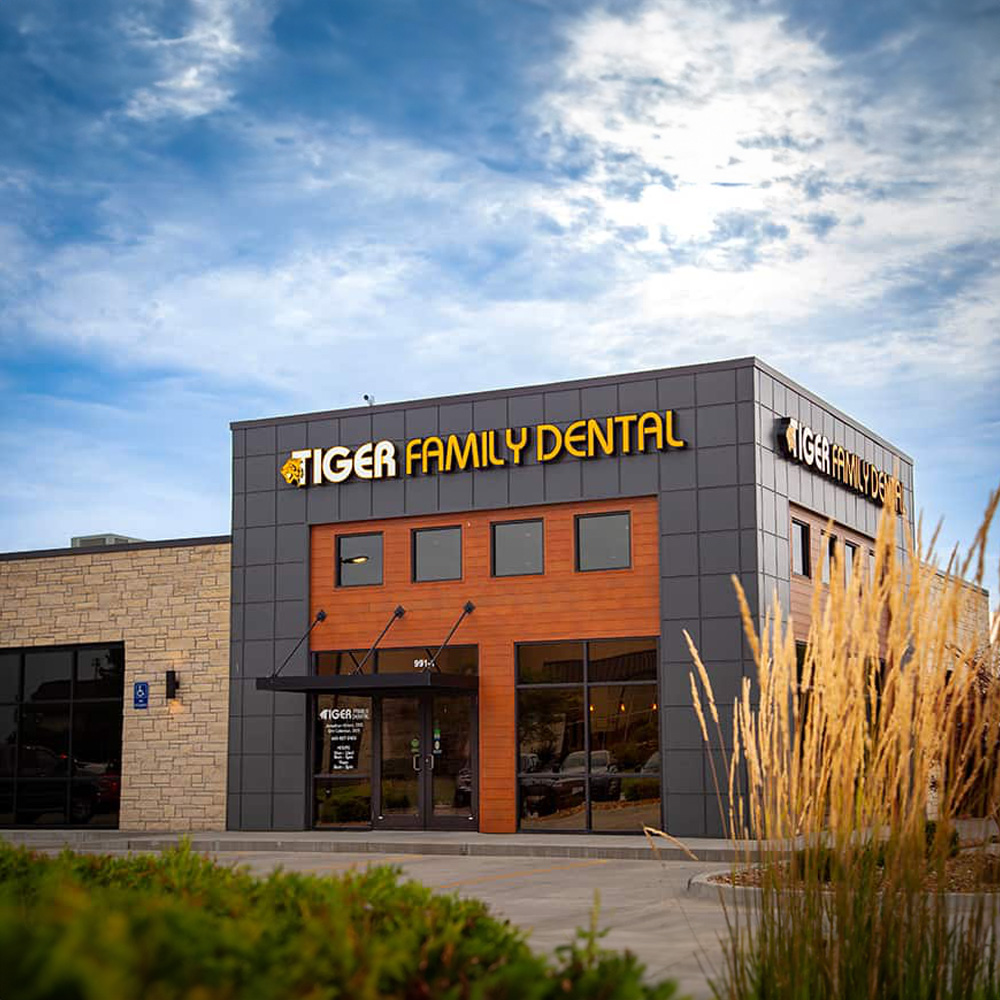
Looking to schedule your next dental visit or learn more about our services?
Getting in touch with Tiger Family Dental is simple! Our friendly team is ready to help you book appointments, answer questions about treatments, and address any concerns. Whether you’d like to call, or use our convenient online form, we’re here to assist you. Take the first step toward a healthy, confident smile — contact us today and experience the difference personalized dental care can make.