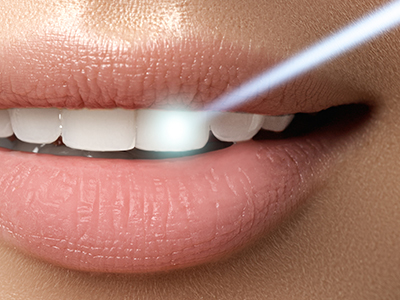
Laser dentistry uses concentrated beams of light designed specifically for dental tissues. Unlike traditional mechanical instruments, dental lasers target tissue at a microscopic level, allowing clinicians to ablate or reshape tissue with a high degree of control. Different wavelengths interact with enamel, dentin, and soft tissue in distinct ways, so clinicians choose the appropriate laser based on the treatment goal—whether that’s removing decay, reshaping gum tissue, or assisting in cosmetic procedures.
At its core, laser action often relies on the excitation of water molecules and chromophores within the tissue. This interaction produces a precise cutting or vaporizing effect with minimal collateral damage to surrounding areas. That precision translates into conservative treatment: less healthy tooth structure is removed, and margins can be prepared more accurately compared with some conventional approaches.
Because the laser does not usually require direct, high-pressure contact, patients frequently experience reduced vibration and noise during procedures. This difference can make treatments feel less invasive and more comfortable, especially for those who are anxious about dental visits. Nevertheless, lasers are tools that augment—not replace—the clinician’s judgment and other dental technologies in comprehensive care.
Lasers are versatile and can be used in a range of clinical situations. They are commonly employed for soft tissue procedures—such as gingival contouring, removing excess tissue around crowns, and treating mild to moderate periodontal concerns—where precise trimming and coagulation reduce bleeding and speed recovery. Soft-tissue lasers are particularly useful when aesthetics and rapid healing are priorities.
On the hard-tissue side, certain lasers are effective for conservative removal of tooth decay and for conditioning tooth surfaces before restorative work. They can also be used to activate in-office whitening agents, helping accelerate and even out whitening results. In some cases, lasers assist with curing or hardening restorative materials, improving the consistency of the restoration process.
Lasers can also play a role in diagnostic and surgical contexts—helping with biopsies, removing small oral lesions, and disinfecting periodontal pockets. Their antimicrobial effects, when used properly, may support healing and reduce bacterial load in treated areas. That makes them a helpful adjunct in both routine and more complex treatment plans when indicated by the clinical exam.
One of the most tangible benefits patients notice is increased comfort during and after procedures. Laser treatments often reduce the need for local anesthesia because the energy vaporizes tissue with minimal pain signals. When anesthesia is still required, the overall treatment can be shorter and gentler. Reduced vibration and the characteristic lack of drilling noise also help many patients remain calmer throughout their visit.
Lasers commonly produce less bleeding and swelling than traditional techniques because the beam coagulates small blood vessels as it works. This hemostatic effect not only improves the clinician’s visibility during treatment but also contributes to faster soft-tissue healing. Patients may find post-operative discomfort and the need for pain medications are reduced compared with comparable surgical approaches.
Precision is another patient-facing advantage: clinicians can remove diseased or unwanted tissue while preserving healthy structures nearby. For restorative dentistry, that means more of the natural tooth is left intact, which supports long-term durability. For cosmetic and periodontal treatments, it means more predictable outcomes with cleaner margins and better aesthetic results.
Safety is a major consideration with any medical device, and dental lasers are subject to strict training and safety protocols. Practitioners undergo device-specific education to select the right wavelength, adjust power settings, and use appropriate safety measures—such as protective eyewear and controlled treatment fields. Those precautions protect both patients and clinical staff during the procedure.
It’s important to understand that lasers are not universally appropriate for every dental problem. For example, extensive decay that reaches deep into the tooth or certain restorative preparations may still require traditional rotary instruments and conventional techniques. Your clinician will determine whether a laser is the best option based on the tooth’s condition, the type of tissue involved, and the desired outcome.
During a laser appointment, patients can expect a clear explanation of the procedure and why the laser is being chosen. You may notice a mild smell of heated tissue, a faint popping sensation, or minimal heat at the treatment site—sensations that are usually well tolerated. Aftercare is typically straightforward, and your dental team will provide specific instructions to support optimal healing and comfort.
Our practice integrates modern dental technologies with a patient-focused approach to treatment planning. We evaluate each patient’s oral health comprehensively and recommend laser therapy only when it offers a clear clinical benefit. That means lasers are used as part of a broader, customized plan rather than as a one-size-fits-all solution.
Clinicians here combine training in laser protocols with experience using other advanced tools—such as digital radiography, CBCT imaging, and precise implant-guided systems—so laser care fits into a coordinated, evidence-based workflow. This multidisciplinary perspective helps deliver efficient, predictable results and supports long-term oral health goals for every patient.
At Tiger Family Dental we prioritize clear communication and patient comfort. If a laser is appropriate for your treatment, we’ll explain the expected benefits, any alternatives, and what to expect before, during, and after the procedure. Our goal is to help you make an informed decision that balances clinical effectiveness with your personal preferences.
In summary, laser dentistry offers meaningful advantages—precision, reduced discomfort, and faster soft-tissue healing—when used thoughtfully by a trained clinician. If you’re curious whether laser treatment is a fit for your dental needs, please contact us for more information and to discuss your options with our team.


Laser dentistry uses focused beams of light tailored to interact with dental tissues at a microscopic level. Different wavelengths are chosen to target enamel, dentin, or soft tissue so clinicians can ablate, vaporize, or reshape tissue with a high degree of control. Unlike rotary instruments, lasers can work without direct high‑pressure contact, reducing vibration and mechanical removal of healthy structure.
The laser effect typically relies on excitation of water molecules and chromophores within tissue, producing precise cutting or coagulation with minimal collateral damage. That precision often enables more conservative treatment and cleaner margins for restorations and soft‑tissue procedures. Lasers are an adjunctive tool that complements clinician judgment and other dental technologies rather than replacing them.
Dental lasers are commonly used for soft‑tissue procedures such as gingival contouring, crown lengthening, removal of excess tissue, and treatment of mild to moderate periodontal concerns. They provide precise trimming and coagulation that reduces bleeding and can speed healing in aesthetic and periodontal cases. Soft‑tissue lasers are especially useful when controlled shaping and minimal downtime are priorities.
Certain lasers are also effective on hard tissue for conservative removal of tooth decay, conditioning enamel or dentin before restorations, and activating in‑office whitening agents. Lasers may assist with biopsies, removal of small oral lesions, and antimicrobial treatment of periodontal pockets as part of a broader treatment plan. Their utility depends on the wavelength and the clinical indication being addressed.
Patients often experience increased comfort because many laser procedures reduce the need for local anesthesia and eliminate the vibration and drilling noise associated with rotary instruments. Lasers coagulate small blood vessels as they work, which typically results in less bleeding and swelling during and after procedures. These factors combined can reduce post‑operative discomfort and shorten recovery time compared with some conventional surgical approaches.
Precision is another patient‑facing advantage: clinicians can remove diseased tissue while preserving healthy structures, which supports long‑term tooth integrity. For cosmetic and periodontal treatments, lasers can produce cleaner margins and more predictable aesthetic outcomes. When used appropriately, lasers can make restorative and soft‑tissue care more conservative and patient‑centered.
Dental lasers are regulated medical devices and their safe use depends on clinician training, device‑specific protocols, and appropriate safety equipment. Practitioners complete device‑specific education to select wavelengths, set power levels, and apply cooling or pulsing strategies to protect surrounding tissues. During treatment, protective eyewear, controlled treatment fields, and clear team protocols help ensure patient and staff safety.
Clinicians also assess medical history, tissue condition, and procedural goals before choosing a laser approach to avoid inappropriate use. Not all lasers are compatible with every clinical situation, so device selection and operator experience are critical for safe outcomes. If a laser is indicated, your dental team will explain precautions and expected sensations before the procedure begins.
Many patients report less discomfort during laser procedures because the energy vaporizes tissue with minimal activation of pain receptors and reduces mechanical trauma. For minor soft‑tissue work, clinicians may be able to limit or avoid local anesthesia, which can make appointments faster and less invasive. When deeper or more extensive work is required, local anesthesia is used as needed to ensure patient comfort.
Post‑operative pain is often reduced after laser surgery because the beam seals small nerve endings and blood vessels, which can lessen swelling and discomfort. Your dental team will provide specific aftercare instructions and recommend over‑the‑counter pain relief only when appropriate. If you have heightened dental anxiety or medical conditions that affect pain control, discuss options with your provider prior to treatment.
Lasers tend to produce less bleeding and tissue trauma because the light energy coagulates blood vessels and seals lymphatics as it cuts, which often accelerates soft‑tissue healing. Reduced inflammation and a smaller wound surface can mean quicker tissue maturation and fewer dressings or sutures in many cases. This hemostatic effect also improves clinical visibility during the procedure, enabling more precise work.
Hard‑tissue healing and outcomes depend on the indication and the type of laser used, and some restorative preparations still require conventional instruments. Where lasers are appropriate, patients typically experience less post‑operative swelling and a reduced need for analgesics compared with more invasive surgical approaches. Your clinical team will explain expected recovery timelines and any steps to support optimal healing.
Lasers are not a universal solution and their effectiveness depends on wavelength, power settings, and the clinical situation at hand. Extensive decay that extends deep into the tooth, certain full‑coverage restorative preparations, and some complex surgical procedures may still require rotary instruments, traditional cutting tools, or combined approaches. Lasers are best viewed as complementary technology rather than a replacement for all conventional techniques.
Patient‑specific factors such as the anatomy of the site, presence of restorations, and overall oral health influence whether a laser is the right choice. Clinicians will select treatments based on diagnostic findings and evidence‑based protocols to achieve the best outcome. If a laser is not appropriate, your dental team will outline alternatives and explain the rationale for their recommendation.
Your clinician will begin with a clear explanation of the procedure, why a laser is being chosen, and what sensations you may experience during treatment. You may notice a faint popping, a mild smell from heated tissue, or minimal warmth at the treatment site; these sensations are usually well tolerated and transient. Protective eyewear for both patient and staff, and strict infection‑control measures, will be in place throughout the appointment.
At Tiger Family Dental we also review medical history and any medications to ensure laser therapy is safe for you, and we provide specific aftercare instructions tailored to the procedure performed. Follow‑up recommendations will vary by treatment but often include basic oral hygiene guidance and a brief check to confirm healing. If you have concerns about anxiety or sensitivity, discuss them with the team so accommodations can be arranged.
Decision making begins with a comprehensive clinical exam that may include visual inspection, probing, digital radiography, or CBCT imaging to evaluate hard and soft tissues. Clinicians weigh diagnostic findings, the extent of disease or cosmetic need, and evidence about how a particular laser wavelength will interact with the tissue. Treatment planning considers patient preferences, medical history, and the anticipated benefits and limitations of using a laser for the specific indication.
Effective laser care is integrated into a coordinated treatment plan rather than applied arbitrarily, and it is chosen when it adds clear clinical value. Your provider will explain alternatives, why the laser is recommended or not, and what outcomes you can reasonably expect. This collaborative approach helps ensure that laser therapy is used thoughtfully and in alignment with your oral health goals.
Our team combines formal training in laser protocols with experience using modern dental technologies such as digital radiography, CBCT imaging, and guided implant systems to ensure laser care fits into a coordinated, evidence‑based workflow. Clinicians evaluate each patient’s oral health comprehensively and recommend laser therapy only when it offers a distinct clinical advantage. That measured approach helps deliver efficient, predictable results while supporting long‑term oral health goals.
When a laser is appropriate, the practice emphasizes clear communication about expected benefits, alternatives, and aftercare so patients can make informed decisions. We follow strict safety protocols and tailor settings to the tissue type and treatment objective to maximize precision and comfort. If you are considering laser treatment, our team will discuss whether it is a good fit for your needs and outline the steps involved in your personalized plan.
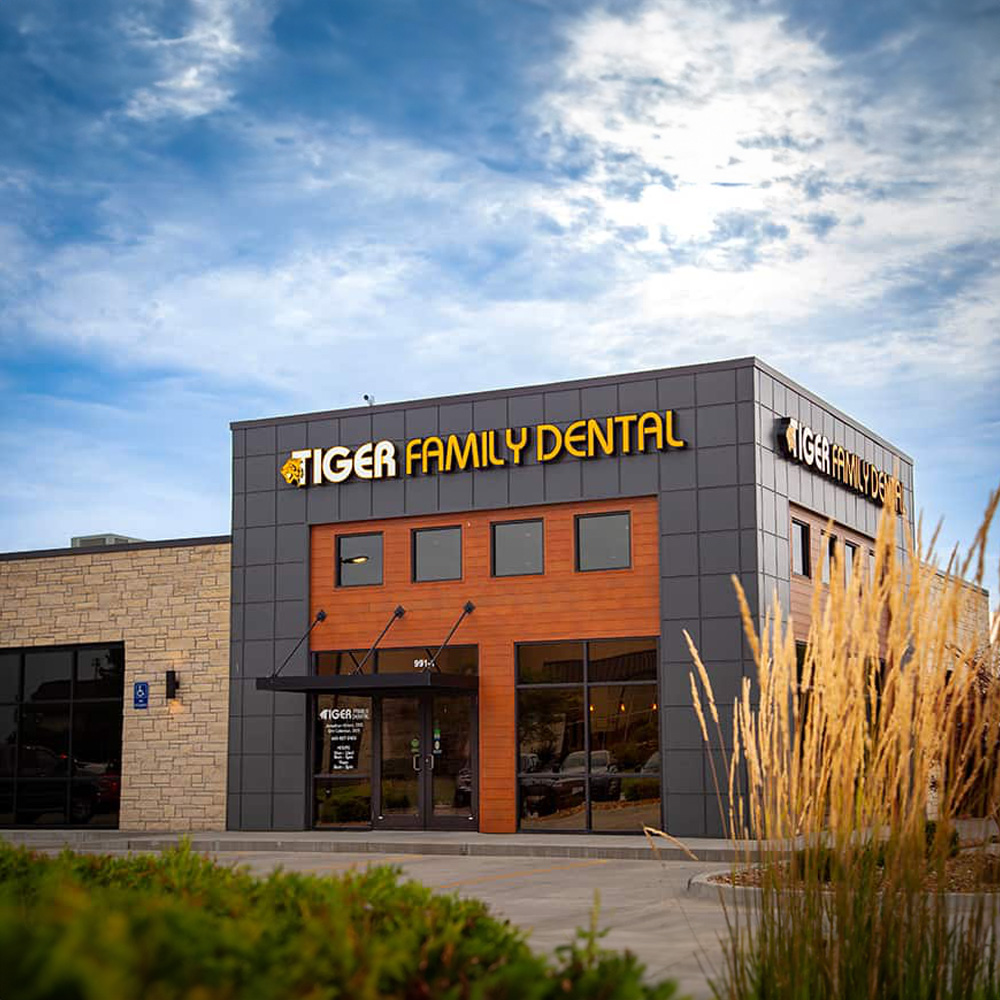
Looking to schedule your next dental visit or learn more about our services?
Getting in touch with Tiger Family Dental is simple! Our friendly team is ready to help you book appointments, answer questions about treatments, and address any concerns. Whether you’d like to call, or use our convenient online form, we’re here to assist you. Take the first step toward a healthy, confident smile — contact us today and experience the difference personalized dental care can make.