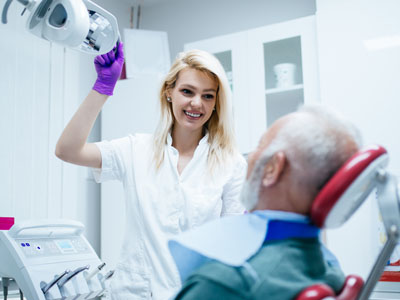
Oral cancer may be less talked about than some other cancers, but its impact is real: it represents roughly 3% of all cancer cases in the United States. Each year tens of thousands of people receive a diagnosis, and thousands more die from the disease. Those outcomes improve dramatically when a problem is caught early, which is why routine screening during dental visits is an important part of preventative care.
Screening is not meant to alarm — it’s a simple, proactive way to spot changes before they become serious. Many early oral cancers cause subtle signs or no symptoms at all, so relying on self-checks alone can miss opportunities for early treatment. Dental professionals are trained to recognize suspicious findings in parts of the mouth that aren’t easy to evaluate on your own.
Because early detection increases treatment options and survival rates, integrating oral cancer checks into regular dental exams is a practical, evidence-based step toward better long-term health for patients of all ages.
Oral cancer can develop in several places within and around the mouth — the tongue, the gums, the floor of the mouth, the inner cheeks, the hard palate, the lips, and the tonsils or oropharynx. The diversity of potential sites is one reason a thorough examination covers the entire oral and head-and-neck region rather than a quick glance at a single area.
Certain factors increase the likelihood of developing oral cancer. Tobacco use and heavy alcohol consumption are two of the most significant risks and often have a combined effect. Age and sex play a role too: men over 50 historically show higher rates, though patterns are shifting. Another major contributor to oropharyngeal cancers is infection with high-risk strains of human papillomavirus (HPV), which has changed the epidemiology in recent years.
Other contributors can include prolonged sun exposure to the lips, prior radiation treatments to the head and neck, chronic acid reflux that irritates the throat, exposure to certain workplace chemicals, and nutritional deficiencies. Knowing these risk factors helps dental teams personalize screening frequency and advice for each patient.
An oral cancer screening is fast, noninvasive, and usually included as part of a comprehensive dental exam. It begins with a review of the patient’s medical and dental history so the clinician can identify any new symptoms, changes in health, or risk factors that would influence the exam. Questions might cover tobacco and alcohol use, prior head-and-neck treatments, and recent changes in speech, swallowing, or oral sensation.
The clinical portion involves a careful visual inspection of the lips, inner cheeks, gums, tongue (top and undersurface), floor of the mouth, hard palate, tonsils, and throat. The clinician also palpates the tissues and the lymph nodes in the neck to detect lumps or firmness that could indicate an underlying issue. These manual checks are essential because not all concerning areas are visible at first glance.
Many modern practices use adjunctive technologies to support the visual exam, such as intraoral cameras, digital radiographs, and specialized light sources that can highlight abnormal tissue. These tools do not replace the clinician’s judgment but can make subtle changes easier to document and monitor over time. The screening process is gentle and typically adds only a few minutes to a routine visit.
At the office of Tiger Family Dental, clinicians focus on clear communication during the screening: explaining what they see, answering patient questions, and outlining next steps if anything unusual is found. The goal is to keep patients informed and comfortable throughout the process.
While screenings catch many problems before symptoms appear, patients should also be aware of signs that warrant prompt attention. Persistent sores or ulcers that do not heal within two weeks, lumps or thickened areas in the mouth or neck, and unexplained patches of red or white discoloration are among the common early indicators.
Other symptoms can include a persistent sore throat, difficulty or pain when swallowing, changes in voice or prolonged hoarseness, numbness or a sensation that something is stuck in the throat, and unexpected looseness of teeth or ill-fitting dentures. These signs are not diagnostic by themselves, but they do justify a timely professional evaluation.
Because many benign conditions can cause similar symptoms, a careful clinical assessment is necessary to determine whether further testing or referral is appropriate. If you notice any persistent changes, mention them at your next dental visit or contact your dental team sooner for guidance.
If a screening identifies an abnormal area, the typical next step is careful documentation and a plan for monitoring or referral. Some findings are monitored with scheduled rechecks to see if they resolve, while other findings may require further diagnostic testing such as imaging or a biopsy performed by an oral surgeon or ENT specialist. Early coordination between dental and medical providers helps ensure clear, timely care when it’s needed.
Prevention and risk reduction are equally important. Stopping tobacco use and reducing heavy alcohol intake are among the most effective ways to lower oral cancer risk. Protecting the lips from excessive sun exposure and maintaining good nutritional habits also contribute to oral health. For HPV-related risk, vaccination according to current medical guidelines is a preventive measure that can reduce the chances of infection with high-risk HPV strains.
Regular dental visits give providers the opportunity to screen for oral cancer and to reinforce preventive strategies tailored to each patient. Open discussion about risk factors and lifestyle changes allows the dental team to recommend practical, individualized steps for lowering risk and improving overall oral health.
When additional care is required, the dental team helps patients understand the referral process, what tests to expect, and how follow-up care will be coordinated so patients feel supported throughout their care journey.
Oral cancer screening is a brief but vital part of routine dental care that improves the chance of detecting problems early, when treatment is most effective. Understanding risk factors, recognizing warning signs, and attending regular dental exams are all practical ways patients can protect their oral and overall health.
If you have questions about the screening process, risk factors, or anything you’ve noticed in your mouth, please contact us for more information. Our team is available to explain what screenings involve and to help you schedule an appointment if needed.


An oral cancer screening is a focused clinical examination of the mouth, lips, throat and nearby tissues to look for signs of abnormal tissue. It is a quick, noninvasive component of a routine dental exam that helps detect suspicious changes early. Early detection expands treatment options and improves outcomes for patients.
During a screening, a trained clinician inspects soft tissues and palpates lymph nodes in the neck to identify lumps, patches, or persistent sores. Adjunctive tools such as intraoral cameras or specialized light sources may be used to document and clarify findings. The goal is to detect problems before symptoms progress and to provide clear guidance on next steps.
Tobacco use and heavy alcohol consumption remain the strongest modifiable risk factors for oral cancer, and their combined effect raises risk further. Age and sex influence risk patterns, with historically higher rates among older men, although demographics are changing. Infection with high-risk strains of human papillomavirus (HPV) also increases risk for oropharyngeal cancers.
Additional contributors include prolonged sun exposure to the lips, prior radiation to the head and neck, chronic acid reflux, certain occupational exposures, and nutritional deficiencies. A comprehensive medical and dental history helps clinicians personalize screening frequency and counseling based on these risks. Discussing lifestyle factors openly with your provider allows the dental team to recommend targeted preventive steps.
Most adults receive an oral cancer screening as part of every comprehensive dental exam, which typically occurs every six months, but individual needs can vary. Patients with higher risk factors may be advised to have more frequent checks or scheduled re-evaluations. The dental team uses your health history and findings from prior exams to determine the appropriate interval.
If you notice new or persistent changes between scheduled visits, contact your dental office for an earlier evaluation rather than waiting for your next routine appointment. Prompt assessment of symptoms such as nonhealing sores or lumps can lead to earlier diagnosis and management. Regular attendance at preventive visits ensures ongoing monitoring and documentation of any changes over time.
An oral cancer screening begins with a review of medical history and questions about symptoms, tobacco or alcohol use, and any recent changes in speech, swallowing, or oral sensation. The clinician then performs a systematic visual inspection of the lips, cheeks, gums, tongue, floor of mouth, palate, tonsils and throat, followed by gentle palpation of the oral tissues and neck lymph nodes. This hands-on approach helps detect abnormalities that may not be apparent to patients during self-exams.
At the office of Tiger Family Dental, clinicians explain what they observe throughout the exam. Documentation of findings allows for careful comparison at future visits and supports decisions about monitoring or referral. When necessary, the dental team will outline next steps and provide clear instructions for follow-up.
Adjunctive technologies can support but not replace a clinician’s trained eye; common tools include intraoral cameras, digital radiographs, and special light systems that highlight tissue differences. These devices can make subtle changes easier to document, help educate patients about findings, and assist with tracking lesions over time. However, clinical judgment and histologic diagnosis remain the standards for definitive diagnosis.
Newer aids such as autofluorescence or toluidine blue staining may be used selectively based on the clinician’s assessment and current evidence. The choice to use adjunctive tools depends on the individual case, available technology, and the practitioner’s training. Patients should feel empowered to ask how these tools are used and what their findings mean for next steps.
Persistent sores or ulcers that do not heal within two weeks, unexplained lumps or thickened patches in the mouth or neck, and persistent red or white patches are common warning signs that require prompt evaluation. Other important symptoms include difficulty or pain when swallowing, prolonged hoarseness, numbness in the mouth, and sudden changes in denture fit or tooth mobility without an obvious cause. These symptoms are not diagnostic by themselves but they do justify timely professional assessment.
Because many benign conditions can mimic these signs, the clinician’s role is to distinguish likely benign findings from those needing further investigation. If you experience any of these symptoms, mention them at your next visit or contact the dental office sooner for guidance. Early communication helps ensure prompt assessment and follow-up when needed.
When a clinician identifies an abnormal area, the first step is accurate documentation and photographic records when appropriate, followed by a decision to monitor or pursue additional testing. Small, clearly benign lesions are often rechecked on a short interval to confirm resolution, while suspicious areas may require imaging or referral for biopsy. Open communication with the patient about the rationale for each step helps reduce anxiety and ensures shared decision-making.
Referrals are typically made to an oral and maxillofacial surgeon, an ear, nose and throat specialist (ENT), or another appropriate medical provider for further diagnostic testing when needed. Coordination between dental and medical teams aims to streamline care, ensure timely evaluation, and maintain clear records of findings and recommendations. Your dental team will explain the referral process and what to expect during subsequent evaluations.
Reducing oral cancer risk centers on addressing modifiable behaviors such as quitting tobacco use and limiting heavy alcohol consumption, which are among the most effective preventive measures. Protecting the lips from excessive sun exposure with lip balm containing SPF and wearing wide-brimmed hats outdoors can lower lip cancer risk. Maintaining a balanced diet and addressing nutritional deficiencies also supports mucosal health and general well-being.
Vaccination against high-risk HPV strains according to current medical guidelines reduces the likelihood of HPV-related oropharyngeal cancers and is an important prevention strategy for eligible individuals. Regular dental visits for screening and education reinforce preventive habits and allow clinicians to counsel patients on practical steps to lower risk. Open discussion about lifestyle changes helps the dental team tailor recommendations to each patient’s circumstances.
Yes, infection with high-risk strains of human papillomavirus (HPV) has become a recognized contributor to oropharyngeal cancers, particularly in younger, otherwise low-risk individuals. HPV-related cancers often arise in the tonsils or the base of the tongue and have changed the epidemiology of head-and-neck cancers in recent years. Discussing HPV, its transmission, and prevention with your dental or medical provider is important for understanding personal risk.
HPV vaccination is recommended by public health authorities for eligible age groups and can reduce the risk of infection with strains most often linked to cancer. Your dental team can provide information about HPV-related risk and refer you to your primary care provider for vaccination questions and guidance about timing. Combining vaccination with regular screenings and risk-reduction behaviors provides a comprehensive prevention approach.
If additional testing or treatment is needed, the dental team at Tiger Family Dental will coordinate referrals and share relevant records with specialists to support a timely evaluation. This collaborative approach helps ensure that imaging studies, biopsies, and specialist consultations are arranged efficiently and that the patient receives clear instructions for next steps. Maintaining open lines of communication between providers reduces delays and helps patients understand the care pathway.
Throughout the process, clinicians prioritize clear explanations of findings, what tests mean, and expected timelines so patients can make informed decisions. Follow-up appointments are scheduled as appropriate to monitor healing or to review pathology results, and the dental team remains available to answer questions or facilitate additional care. Feeling supported and informed is a key part of quality care during evaluation and treatment.
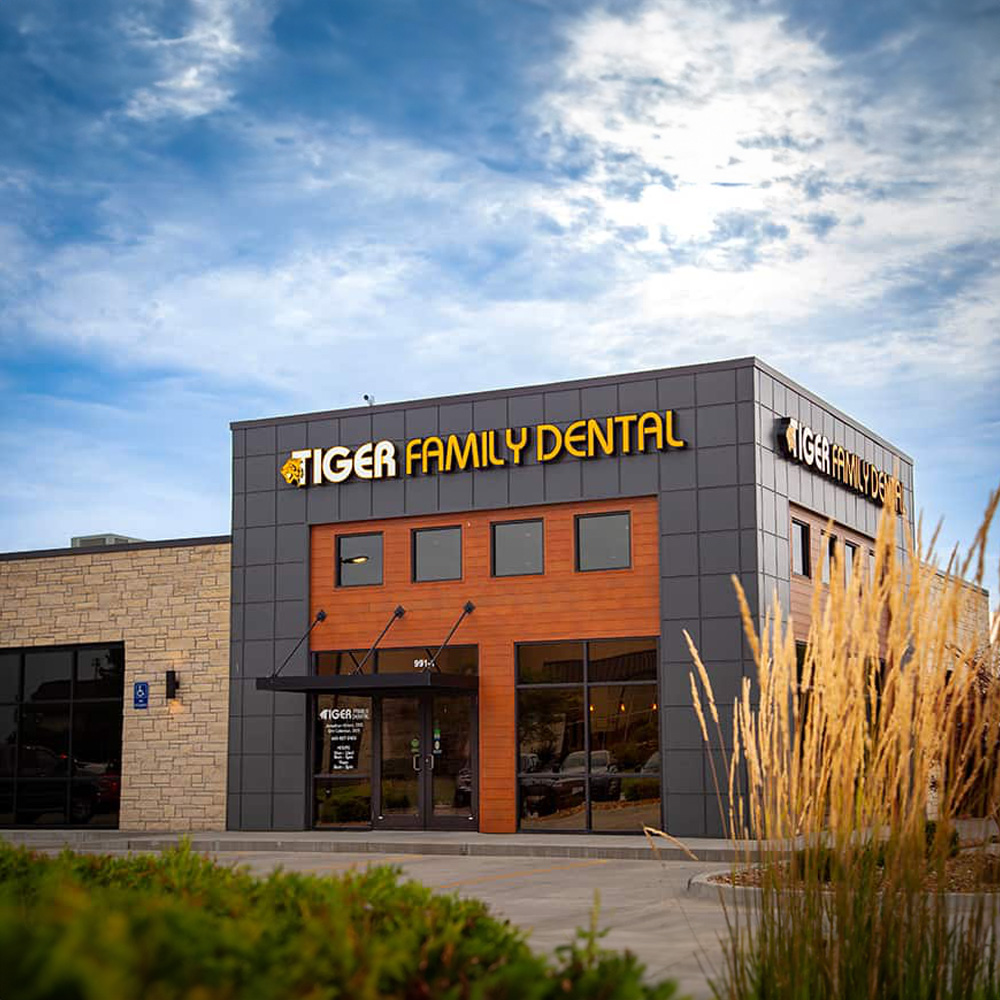
Looking to schedule your next dental visit or learn more about our services?
Getting in touch with Tiger Family Dental is simple! Our friendly team is ready to help you book appointments, answer questions about treatments, and address any concerns. Whether you’d like to call, or use our convenient online form, we’re here to assist you. Take the first step toward a healthy, confident smile — contact us today and experience the difference personalized dental care can make.