At the office of Tiger Family Dental we take a preventive, careful approach to oral health. Regular oral exams are more than a quick check — they establish a baseline, reveal early changes, and guide personalized recommendations to keep your smile healthy for years. Our team combines modern diagnostic tools with patient-focused education so each visit leaves you better informed and confident about your oral care.
The initial oral exam sets the stage for long-term dental health. During this visit we review your medical and dental history, listen to your concerns, and document any symptoms that brought you in. This conversation helps the clinician tailor the exam to your unique health profile and identify any risk factors that deserve closer attention.
A focused clinical evaluation follows: teeth, gums, bite alignment, and the soft tissues of the mouth, head, and neck are all inspected. We assess for signs of tooth decay, gum inflammation, wear patterns from clenching or grinding, and any abnormalities in the temporomandibular joint (TMJ). Our goal is to spot small problems before they escalate into complex treatment needs.
When needed, we use diagnostic imaging to see structures below the surface. Digital x-rays and other scans reveal issues beyond what visual inspection allows — for example, early decay between teeth, infections at the root tips, or changes in bone support. After the exam and imaging, your clinician will explain findings in plain language and outline sensible next steps, if any, so you can make informed choices about care.

Your mouth is a window to the rest of your body. During an oral exam we don’t just count cavities — we also look for signs that could reflect broader health issues. Gum disease, chronic inflammation, persistent dry mouth, unexplained ulcers, and unusual oral lesions can all offer clues that merit follow-up with your primary care provider or a specialist.
Research increasingly shows connections between oral conditions and systemic health. Chronic oral inflammation can complicate management of certain medical conditions and, conversely, some systemic diseases can produce early symptoms in the mouth. Recognizing these links helps us coordinate care and support your overall well-being.
Common health areas we keep an eye on include digestion and respiratory health, heart and vascular concerns, metabolic disorders like diabetes, and neurologic conditions. While an oral exam is not a substitute for medical evaluation, it is an important screening opportunity that can prompt earlier diagnosis and intervention for non-dental problems.

Preventive appointments — exams combined with professional cleanings — are the most effective way to protect your smile. These visits remove plaque and calculus that daily brushing and flossing can miss, interrupting the cycle that leads to cavities and gum disease. More importantly, regular care helps us detect early changes while treatment options remain conservative and comfortable.
We typically recommend a schedule tailored to each patient’s needs, based on risk factors, past dental history, and current oral condition. For many people, twice-yearly visits strike the right balance between monitoring and prevention; for others with higher risk, more frequent appointments may be advised. During each visit we also review home care techniques and make practical suggestions to improve daily habits.
Children benefit greatly from early, routine exams. Establishing healthy habits and periodic monitoring support proper tooth development and jaw growth, and allow us to identify any orthodontic needs early. For adults, preventive care protects restorations, maintains gum health, and helps preserve natural teeth for a lifetime.
Visual inspection is essential, but diagnostic imaging completes the picture. Dental radiographs allow us to see between teeth, under restorations, and into the jawbone — places where disease can begin silently. With modern techniques, imaging is safer, faster, and more informative than ever before.
Digital radiography reduces radiation exposure compared with older film technology and provides immediate, high-resolution images. Those images can be enlarged and annotated to help you understand findings, and they’re stored electronically for easy comparison over time. This makes tracking changes straightforward and helps clinicians coordinate care when multiple providers are involved.
The advantages of current radiographic methods include quicker acquisition, lower radiation dose, immediate viewing, and the ability to securely store and share images when necessary. Together with the clinical exam, these tools support accurate diagnosis and precise treatment planning for everything from routine fillings to advanced restorative work.
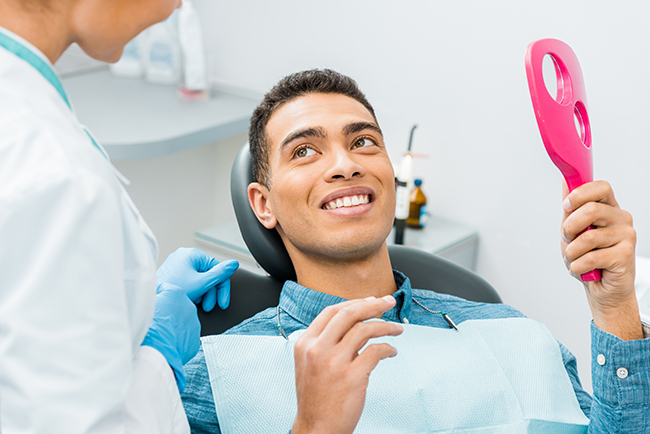
The kind of image we recommend depends on what we need to evaluate. Small films, broad panoramic views, and three-dimensional scans each serve different purposes — from detecting small cavities to planning complex surgical procedures. Understanding the options helps demystify why a particular image is advised.
Periapical x-ray - Focuses on a single tooth and its root, useful for spotting infections, root problems, and the relationship between a tooth and the surrounding bone.
Bitewing x-ray - Shows the upper and lower teeth in one area and is especially effective for detecting decay between teeth and monitoring bone levels around the teeth.
Full Mouth Series - A comprehensive set of bitewing and periapical images that give a detailed view of all teeth and supporting structures.
Panoramic Film (panorex) - Provides a wide, two-dimensional overview of the jaws, all erupted and developing teeth, and neighboring structures — a useful screening tool for growth, development, and pathology.
Cephalometric Film - A profile view of the skull used primarily in orthodontic assessment and treatment planning for jaw relationships.
For advanced diagnostic needs, three-dimensional imaging such as cone-beam computed tomography (CBCT) gives a detailed view of bone, nerve pathways, and anatomical structures. CBCT is particularly helpful when planning implant placement, evaluating complex root anatomy, or assessing jaw pathology. Your clinician will recommend the most appropriate imaging based on clinical findings and the diagnostic question at hand.
In summary, a thoughtful oral exam combines careful observation, targeted imaging, and patient education to protect and preserve your oral health. If you have questions or would like more information about how we perform exams or what to expect at your next visit, please contact us for details — our team is happy to help.


A routine oral exam begins with a conversation about your current concerns and a review of your medical and dental history to identify any risk factors. The clinician conducts a systematic clinical evaluation of teeth, gums, bite alignment, and the soft tissues of the mouth, head and neck to look for cavities, gum inflammation, wear from clenching or grinding, and unusual findings. Findings are documented to create or update a baseline for future comparisons and to guide preventive recommendations. Education about home care and any immediate steps you can take to protect your oral health is an integral part of the visit.
If indicated, targeted diagnostic imaging such as digital x-rays is used to reveal issues beneath the surface, including interproximal decay, root infections, or changes in bone support. After assessment, the clinician explains results in plain language and discusses sensible next steps or monitoring plans so you can make informed choices. The overall goal is to catch small problems early so treatment can be conservative and predictable. Your exam is tailored to your needs and becomes the foundation for ongoing care.
Your first oral exam establishes a baseline and helps the team tailor care to your needs by documenting your medical history, current medications, and any dental concerns that brought you in. A focused clinical evaluation follows, covering teeth, gums, bite alignment, and the soft tissues of the mouth and neck while the clinician listens to your goals and symptoms. This initial assessment identifies risk factors and creates the records that will be used for future comparisons and treatment planning. Clear documentation at the first visit makes it easier to monitor changes over time.
When appropriate, the clinician may recommend digital radiographs or scans to supplement the clinical exam and provide a more complete diagnostic picture. Results and images are reviewed with you in straightforward terms so you understand findings and the rationale for any follow-up. At Tiger Family Dental the emphasis is on prevention and clear communication, so you leave the appointment with practical next steps and home-care guidance. Subsequent visits will build on this baseline and refine recommendations as needed.
Frequency of oral exams depends on individual risk factors, dental history, and current oral condition rather than a one-size-fits-all schedule. For many patients, twice-yearly exams combined with professional cleanings provide effective monitoring to prevent common problems and catch changes early. Patients with higher risk—such as those with periodontal disease, a history of frequent decay, chronic dry mouth, or certain medical conditions—may need more frequent visits to manage and monitor their oral health. Your clinician will recommend an interval tailored to your needs and explain the reasons behind that plan.
Regular exams allow clinicians to compare current findings with prior records and images so developing issues are noticed promptly and tracked accurately. If treatment or closer monitoring is required, exam frequency may increase until stability is achieved. Each visit also reinforces home-care techniques and behavior changes to reduce risk between appointments. Your recommended interval can change over time as your oral health status and risk profile evolve.
Oral exams include careful visual inspection and palpation of the lips, tongue, floor of mouth, cheeks, gums, and neck to identify unusual lumps, ulcers, or discolorations that could warrant further evaluation. Clinicians look for persistent sores, red or white patches, firm or growing lumps, and other changes that do not resolve within a typical healing timeframe. Documenting these findings and comparing them over subsequent visits helps distinguish benign variations from suspicious developments. When a lesion or abnormality is identified, clinicians explain the concern and recommend an appropriate course of action.
Follow-up may involve closer observation, targeted imaging, referral to a specialist, or biopsy when clinically indicated to establish a definitive diagnosis. Early detection of oral pathology generally improves management options and outcomes, which is why routine screening is a core component of every exam. Clinicians also discuss risk factors such as tobacco use, alcohol consumption, and HPV and how those relate to oral cancer risk. These conversations support prevention and help patients recognize signs that should prompt earlier evaluation.
Small intraoral images such as periapical and bitewing x-rays focus on a single tooth or a small group of teeth and are useful for detecting decay between teeth, assessing root anatomy, and identifying infections at the root tips. Bitewing images are particularly effective for monitoring bone levels and early interproximal cavities that are not visible during a visual exam. These targeted images are quick to take and provide high-resolution detail where it is most needed for routine diagnostic questions. They are commonly used when a specific area requires closer evaluation.
A panoramic film offers a broad two-dimensional view of the jaws, erupted and developing teeth, and adjacent structures, making it useful for screening growth patterns, impacted teeth, and certain pathologies. Cephalometric views provide a profile of the skull and are primarily used for orthodontic assessment or jaw relationship analysis. Both panoramic and cephalometric images complement intraoral films and the clinical exam when a wider perspective is helpful for diagnosis or treatment planning. Clinicians choose these images based on the diagnostic need at hand.
Three-dimensional cone-beam computed tomography (CBCT) gives detailed views of bone, nerve pathways, and complex anatomy and is reserved for advanced diagnostic or surgical planning needs such as implant placement or evaluation of complicated root anatomy. CBCT provides information that cannot be obtained from two-dimensional films and helps clinicians plan interventions with greater confidence. Your clinician will recommend CBCT only when the additional information will change diagnosis or treatment planning. As with other imaging, the decision to use CBCT is guided by clinical findings and diagnostic necessity.
Modern dental imaging predominantly uses digital radiography, which significantly reduces radiation exposure compared with older film techniques while producing high-resolution images for accurate diagnosis. Dental practices follow established safety protocols—including proper collimation and exposure settings—to keep doses as low as reasonably achievable. Protective measures and individualized imaging schedules ensure patients receive only the images necessary for their care. If you have concerns about radiation exposure, your clinician can discuss the relative risks and benefits in the context of your specific situation.
Factors such as pregnancy, age, recent medical imaging, and overall health are considered when recommending radiographs, and adjustments are made when appropriate to minimize exposure. Prior images are reviewed and compared to limit repeat exposures whenever feasible, and digital storage supports careful monitoring over time. The diagnostic value of imaging is weighed against exposure, and clinicians use radiographs judiciously to support safe, effective care. Clear communication about why an image is recommended helps patients understand its role in diagnosis and treatment planning.
Oral exams combine visual inspection, palpation, and targeted imaging to identify the earliest signs of decay, gum disease, and other oral conditions before they progress to more serious stages. Small changes in tooth surfaces, pocket depths around teeth, or soft-tissue appearance are documented and tracked so clinicians can intervene promptly when needed. Early detection often allows for less invasive, more conservative treatments that preserve tooth structure and oral function. This proactive approach reduces the likelihood of complex procedures later on.
Exams also reveal functional issues such as bite misalignment, wear from clenching or grinding, and temporomandibular joint concerns that can cause pain or accelerate tooth damage if left unaddressed. By identifying these patterns early, the team can recommend preventive appliances, habit-modification strategies, or monitoring to protect teeth and relieve symptoms. Regular comparison with prior records helps clinicians assess progression and the effectiveness of any interventions. Patient education and practical home-care guidance are integrated into each exam to support long-term health.
Bring an up-to-date list of medications, recent medical history changes, and any records from other dental providers that might be relevant to your care. Arrive with questions or specific concerns written down so you can be sure they are addressed during the appointment and nothing is overlooked. Continue your normal oral hygiene routine before the visit so the clinician can accurately assess plaque levels, gum health, and existing restorations. If you have symptoms such as pain, swelling, or persistent sores, note when they started and whether anything makes them better or worse.
Tell the team about any medical conditions, allergies, or recent procedures, including changes in medications that could affect oral health or treatment choices. If you experience dental anxiety or have had difficult experiences in the past, let the staff know so they can offer comfort measures and explain steps clearly. There is no special fasting required for most routine exams unless a specific procedure has been scheduled in advance. Clear communication helps the clinician make informed, safe recommendations during and after the exam.
If a concern is identified, the clinician will explain the finding in clear, nontechnical language and describe why it matters for your oral health. They will discuss appropriate next steps, which might include observation, targeted imaging, preventive measures, or a specific treatment plan tailored to the issue. The team will outline the expected benefits and any typical risks so you can make an informed decision about care. When necessary, the clinician coordinates with specialists or medical providers to ensure comprehensive management of the problem.
Follow-up may involve scheduling restorative work, periodontal therapy, or closer monitoring depending on the diagnosis and level of risk. For issues that have broader health implications, clinicians can recommend communication with your primary care provider to support coordinated care. Records and images are used to track progress and guide timing of interventions so planning is data-driven. Patient education about home care and behavior changes is emphasized to reduce recurrence and support healing.
Oral exams are central to preventive dentistry at every age; they help establish healthy habits in children and preserve natural teeth and restorations in adults. For children, early and regular exams support proper tooth development, monitor eruption patterns, and allow timely identification of orthodontic needs or developmental concerns. Pediatric exams also provide an opportunity to teach caregivers and young patients about effective home care and cavity prevention. For adults, exams protect gum health, detect wear or bite problems, and ensure restorations remain functional.
Preventive exams are paired with professional cleanings, fluoride when indicated, and individualized home-care guidance to interrupt disease progression and maintain oral health. The frequency and content of preventive visits are personalized based on risk factors, past history, and clinical findings to maximize benefit. Consistent exams create a reliable record that clinicians use to spot trends, adjust recommendations, and intervene early when necessary. At Tiger Family Dental this preventive focus helps patients maintain healthy, functional smiles over a lifetime.
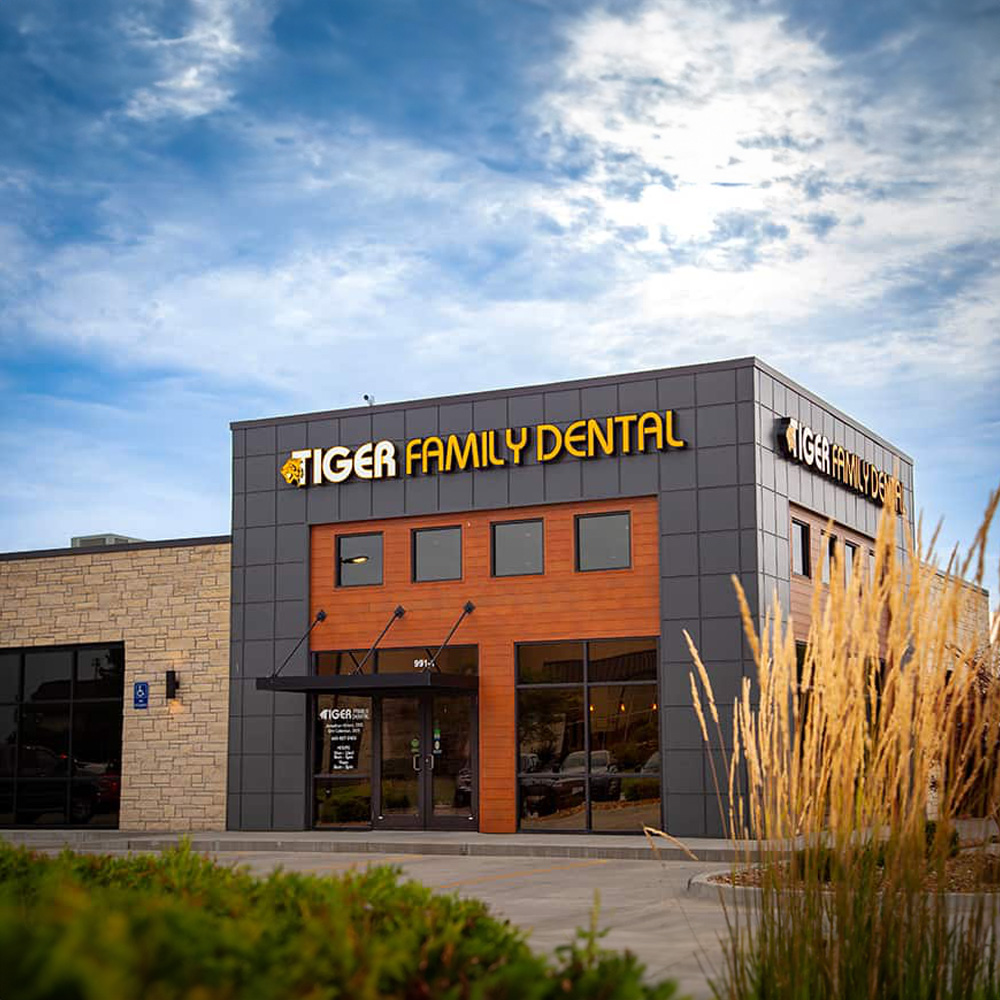
Looking to schedule your next dental visit or learn more about our services?
Getting in touch with Tiger Family Dental is simple! Our friendly team is ready to help you book appointments, answer questions about treatments, and address any concerns. Whether you’d like to call, or use our convenient online form, we’re here to assist you. Take the first step toward a healthy, confident smile — contact us today and experience the difference personalized dental care can make.