At the office of Tiger Family Dental, the growth, comfort, and long-term health of your child's smile guide everything we do. Our pediatric services focus on prevention, positive early experiences, and clear guidance for parents so each child can build a strong foundation for oral health that lasts a lifetime.

Healthy teeth start with reliable routines at home and gentle, consistent care in the dental office. When children learn simple, effective habits—brushing with a soft brush, supervised flossing when teeth touch, and choosing water over sugary drinks—those habits become the backbone of lifelong oral health. Early, positive dental visits reinforce those habits and make dental care an expected, non-threatening part of growing up.
We emphasize practical instruction that parents and kids can use right away. During appointments we demonstrate age-appropriate brushing techniques, recommend the right toothbrush and toothpaste amounts, and offer strategies to make oral hygiene feel less like a chore and more like a normal part of the day. Small changes—consistent timing, short brushing sessions, and playful routines—often produce meaningful results.
Prevention is not only about cleaning teeth; it’s also about catching potential issues before they become problems. Regular exams allow us to monitor tooth eruption, bite development, and habits such as prolonged pacifier use or thumb sucking that can affect alignment. When concerns appear early, simple, conservative steps often prevent more complicated treatment later.
Routine visits are calm, focused, and built around your child’s needs. Each appointment begins with a review of health history followed by a gentle clinical exam of the teeth, gums, jaw function, and oral tissues. Our team explains findings in plain language so parents understand what we’re observing and why it matters. We aim to make each visit educational for both children and caregivers.
Dental cleanings for children remove plaque and debris that brushing alone can miss, and they give our team a chance to work directly with kids on techniques that match their developmental stage. When recommended, we use digital radiographs to check between teeth and under the surface where cavities, developing permanent teeth, or growth patterns are best evaluated. These images are fast, low-dose, and provide a clear roadmap for planning care.
Every checkup includes personalized guidance—whether that’s a plan for sealants to protect newly erupted molars, a fluoride treatment to strengthen enamel, or tips to reduce nighttime bottle or sippy-cup use. Our goal is always to choose the least invasive, most effective path forward while keeping your child comfortable and informed.
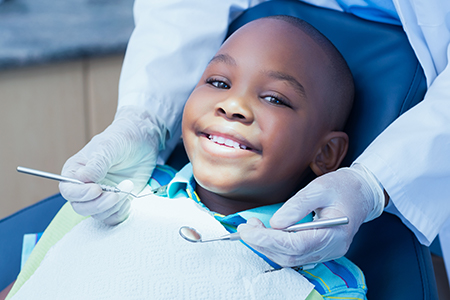
Children’s mouths change quickly. Between infant teeth, mixed dentition, and then the transition to permanent teeth, the timing and sequence of development matter. Regular dental exams let us track eruption patterns, jaw growth, and early signs of misalignment. Detecting these trends early allows for timely advice—sometimes simple guidance or monitoring is all that’s needed, while other times early intervention can reduce the need for more complex work later.
Monitoring growth also helps us identify habits that could alter dental development. Prolonged thumb sucking, extended pacifier use, or certain breathing patterns can contribute to bite changes. We work with families to develop stepwise, supportive plans to reduce these habits at appropriate ages, focusing on encouragement and achievable goals rather than punishment.
When concerns require specialist input, we coordinate recommendations and next steps so families understand the timing and purpose of referrals. Early screening for orthodontic issues—often as early as seven years old—can reveal opportunities to influence jaw growth and tooth alignment more predictably than waiting until adolescence.
Infant oral care begins before the first tooth appears. Gentle gum wiping after feedings removes bacteria and helps infants get used to oral handling. Once teeth erupt, parents should transition to a soft, age-appropriate brush and a smear of fluoride toothpaste. Early, nurturing care sets expectations for cooperative dental visits and helps prevent early childhood caries.
We recommend bringing infants for a first dental visit around their first birthday or when the first tooth appears. That early appointment is brief and friendly—an opportunity to evaluate oral structures, answer caregiver questions, and provide practical guidance on feeding habits, teething comfort measures, and pacifier use. A calm first visit reduces anxiety and builds trust between the child and the dental team.
Teething can make infants fussy and disrupt sleep, but there are safe, simple ways to help: chilled (not frozen) teething rings, gentle gum massage with a clean cloth, and distraction with comfort. Parents are encouraged to call the office if they have concerns about prolonged fever, severe swelling, or behavior changes that suggest more than normal teething discomfort.
Tooth decay is avoidable when families adopt consistent routines and reduce frequent exposure to sugars. Avoiding bottles or sippy cups filled with juice or milk at bedtime is one of the most impactful steps caregivers can take. Frequent sipping exposes tooth surfaces to sugars for extended periods, which raises the risk of early cavities. Swapping sugary drinks for water and keeping snacking predictable helps protect developing enamel.
When permanent molars come in, sealants provide a durable barrier over grooves where food and bacteria collect. Sealants are applied quickly and painlessly, and they significantly reduce the likelihood of decay on biting surfaces. Combined with routine cleanings and parental reinforcement at home, these preventive measures form a practical, effective plan.

As children transition from baby teeth to adult teeth, monitoring facial growth and jaw relationships becomes important. Early signs of crowding, crossbite, or bite discrepancies can be identified during routine visits. When orthodontic concerns are present, we’ll discuss timing and options—sometimes interceptive treatment can simplify later care or prevent more invasive approaches.
Sports and active play are integral to childhood, but they carry dental risks. Properly fitted mouthguards are one of the simplest and most effective ways to prevent tooth and jaw injuries. Custom mouthguards provide a comfortable fit and superior protection compared with one-size-fits-all alternatives. We can advise on the best type based on your child’s sport and level of contact.
In situations where a primary tooth is lost early because of trauma or decay, space maintainers can preserve the position for the incoming permanent tooth. This small, often removable appliance prevents unwanted tooth movement and helps maintain room for permanent teeth to erupt predictably, reducing the chance of future crowding or misalignment.
Consistency is the most powerful tool parents have. Keep toothbrushing to twice daily with a soft brush and the right amount of fluoride toothpaste for your child’s age. Supervise brushing until your child demonstrates good technique and the ability to spit reliably. Incorporate short, positive routines that make oral care feel familiar and non-threatening.
Make snacks and meals tooth-friendly by favoring whole foods, water, and structured snack times rather than continuous grazing. Encourage healthy choices at home and school, and help children understand why sugary or sticky items are best enjoyed occasionally. Modeling these choices yourself has a strong influence on a child’s habits.
Finally, communicate openly with your dental team. Share changes in your child’s health, behavior, or habits so recommendations can be tailored to their needs. If your child has trouble with anxiety or has special health considerations, we’ll work with you to design a care plan that respects their comfort while providing safe, effective treatment.
In summary, thoughtful prevention, timely checkups, and supportive daily routines give children the best chance for healthy smiles and confident dental experiences. If you’d like to learn more about pediatric care or discuss your child’s needs, please contact us for more information.


At the office of Tiger Family Dental, pediatric dentistry focuses on the oral health needs of infants, children and adolescents. It emphasizes prevention, age-appropriate education and gentle clinical techniques that help kids feel comfortable during visits. Pediatric care also monitors growth and development to guide treatments that support long-term dental health.
Pediatric services include regular exams, cleanings, fluoride treatments and preventive measures such as sealants, along with guidance on nutrition and oral habits. Early screening for developmental issues that affect bite or speech is a key component of care. The overall goal is to build positive routines and intervene early when small steps can prevent larger problems.
Bring your child for a first dental visit by their first birthday or when the first tooth appears, whichever comes first. That early appointment is brief and focused on evaluating oral structures, observing eruption patterns and answering caregiver questions about feeding and teething. A calm first visit helps establish familiarity and reduces anxiety for future appointments.
Early visits also give the dental team a chance to discuss preventive strategies like nighttime feeding habits and daily oral care. Starting young allows clinicians to identify risk factors for decay and advise parents on practical steps to protect teeth. Regular checkups thereafter create a predictable schedule that supports healthy development.
Begin oral care before the first tooth by gently wiping an infant's gums with a clean, damp cloth after feedings to remove bacteria and soothe the mouth. Once teeth erupt, transition to a soft, age-appropriate toothbrush and a smear of fluoride toothpaste, using gentle strokes to clean all tooth surfaces. These early routines help infants become accustomed to oral handling and build cooperation for future dental visits.
Supervise brushing and keep feeds and snacks structured to limit prolonged exposure to sugars that promote decay. Use chilled (not frozen) teething rings and gentle gum massage for teething discomfort, and contact the dental office if signs such as persistent fever, severe swelling or behavioral changes arise. Consistent, nurturing care at home sets the foundation for lifelong oral health.
Reduce early decay risk by minimizing frequent exposure to sugary drinks and avoiding bottles or sippy cups filled with juice or milk at bedtime. Encourage water as the primary drink between meals and establish predictable snack times to prevent continuous acid attacks on developing enamel. Teaching children good brushing and flossing habits early on also decreases cavity risk.
Routine dental visits allow clinicians to recommend preventive interventions when appropriate, such as fluoride treatments and sealants for newly erupted molars. Parents can support preventive care by modeling healthy eating and oral hygiene habits and by following guidance tailored to their child’s developmental stage. Together, home routines and professional care form an effective defense against early decay.
Routine visits begin with a review of medical history followed by a gentle clinical exam of the teeth, gums and jaw function, with explanations provided in plain language for caregivers. Cleanings remove plaque and debris that home care can miss and give the dental team an opportunity to coach age-appropriate brushing and flossing techniques. When needed, digital radiographs may be taken to check between teeth and assess growth; these images are low-dose and used selectively to guide care.
Every checkup includes personalized guidance on topics such as sealant placement, fluoride use and habit management like pacifier or thumb-sucking reduction. The team aims to choose the least invasive, most effective steps while keeping your child comfortable and informed. If specialist input is recommended, the practice coordinates referrals and explains timing and purpose so families understand next steps.
Dental X-rays for children are taken selectively and with modern digital equipment that uses very low radiation doses to get clear diagnostic images. Clinicians base the decision to use radiographs on each child’s individual risk factors, stage of dental development and clinical findings, so not every visit requires X-rays. When used, radiographs help detect cavities between teeth, evaluate developing permanent teeth and assess growth patterns that aren’t visible during a visual exam.
Proper shielding and up-to-date imaging protocols further minimize exposure, and dental providers follow established guidelines to determine frequency. Parents should feel free to ask the dental team why a particular radiograph is recommended and how it will inform care. Clear communication helps caregivers understand the benefits and safety measures associated with imaging.
Sealants are thin protective coatings applied to the chewing surfaces of permanent molars to block grooves where food and bacteria collect, significantly reducing the risk of cavities on those surfaces. The application is quick, painless and typically done when molars first erupt and are most vulnerable to decay. Sealants are most effective when combined with daily brushing, flossing and routine dental care.
Topical fluoride treatments strengthen enamel and make teeth more resistant to acid attacks from bacteria, helping to prevent decay and slow early lesions. The dental team recommends fluoride based on a child’s age, diet and cavity risk, and treatments are applied in the office as a preventive supplement to regular toothpaste use. Together, sealants and fluoride form practical layers of protection for developing teeth.
It is appropriate to begin screening for orthodontic concerns around age 7, when a mix of primary and permanent teeth provides insight into jaw growth and tooth alignment. Routine pediatric visits track eruption patterns, spacing and bite relationships to identify early signs of crowding, crossbite or other discrepancies that could benefit from interceptive treatment. Early detection allows the dental team to advise on timing and potential approaches that may simplify later care.
Not every finding requires immediate orthodontic treatment; many cases are monitored until the child’s growth is more predictable. When early intervention is recommended, the objective is often to guide jaw growth or preserve space to reduce the complexity of later treatment. The dental team will explain options clearly and coordinate referrals to specialists when appropriate.
Preparing a child for the dentist starts with open, calm conversations that set realistic expectations and avoid using fear-based language. Use simple explanations, role-play at home with a toothbrush, and read books or watch age-appropriate videos that show friendly dental visits to normalize the experience. Scheduling appointments at times when the child is well-rested and beginning with short, positive visits can build trust gradually.
The dental team can also use distraction techniques, child-friendly explanations and stepwise desensitization to reduce anxiety and create a comfortable visit. For children with higher levels of fear or special health needs, the team will discuss additional behavioral strategies and supportive care options tailored to the child. Consistent, patient-centered approaches help most children gain confidence over multiple visits.
For dental emergencies such as a knocked-out tooth, severe bleeding, or significant swelling, contact your dental provider promptly and follow initial first-aid recommendations while arranging urgent care. For a permanent tooth that has been displaced or knocked out, quick action to preserve the tooth—keeping it moist and seeking immediate treatment—can improve the chance of saving it. For severe pain, swelling or signs of infection, prompt evaluation is important to address the issue before it progresses.
If an emergency occurs outside of regular hours, check the office instructions for after-hours guidance and emergency contact procedures. The dental team will advise on next steps and whether immediate in-office care or referral to an urgent clinic is appropriate. Clear communication and timely action help protect your child’s health and comfort following an injury or sudden problem.
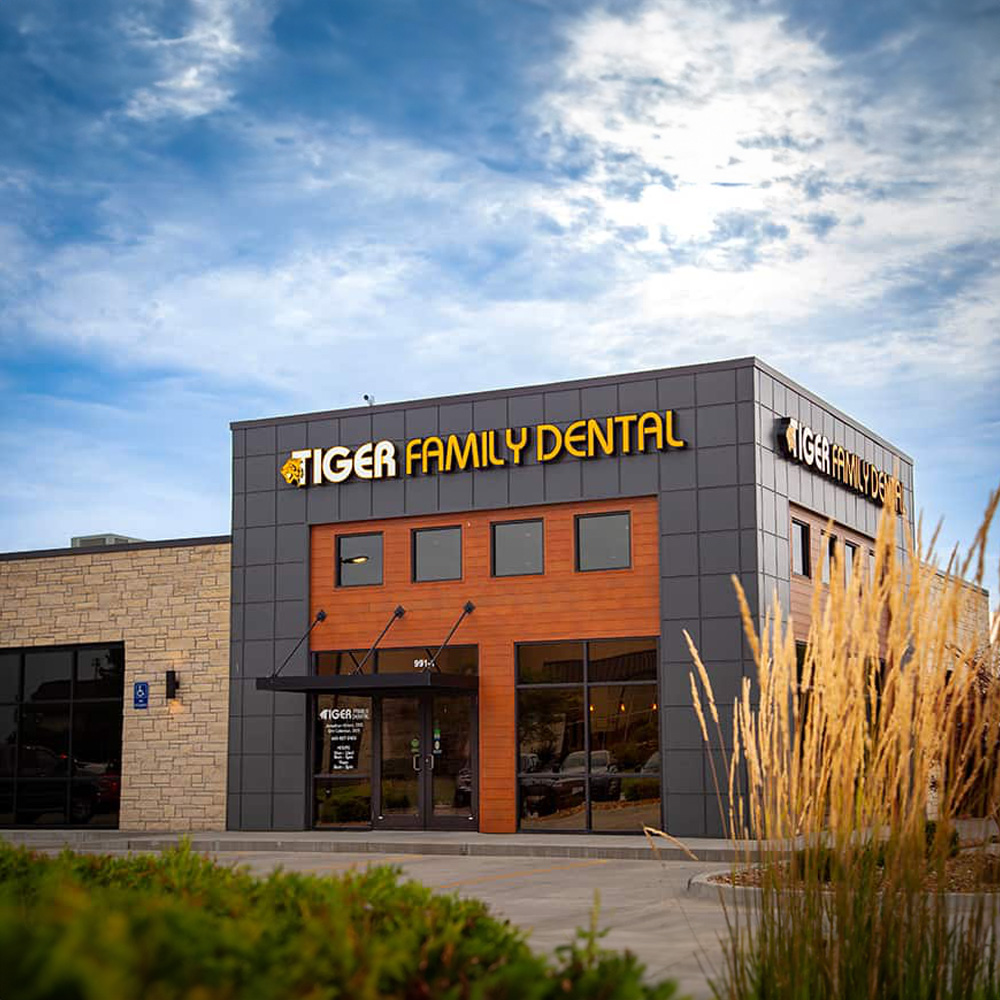
Looking to schedule your next dental visit or learn more about our services?
Getting in touch with Tiger Family Dental is simple! Our friendly team is ready to help you book appointments, answer questions about treatments, and address any concerns. Whether you’d like to call, or use our convenient online form, we’re here to assist you. Take the first step toward a healthy, confident smile — contact us today and experience the difference personalized dental care can make.