Dental anxiety is more common than many people realize. Millions of Americans delay or avoid dental care because the thought of a dental visit triggers stress, fear, or even panic. That hesitation can allow small problems to grow into larger ones, increasing the likelihood of discomfort and more invasive treatment later on. Fortunately, sedation dentistry offers a practical, evidence-based way to reduce anxiety and make dental care accessible to patients who would otherwise struggle to receive it.
Our goal is to help people get the dentistry they need without the emotional burden that prevents appointments. At the office of Tiger Family Dental we provide carefully monitored sedation options designed to keep patients calm and comfortable while clinicians work efficiently and safely. Sedation is not meant to replace routine preventive care, but to make that care achievable for patients who need extra support.
Sedation can transform the dental experience: what once felt overwhelming often becomes manageable, and lengthy or complex treatments can be completed with minimal stress. Throughout treatment, our team emphasizes safety, clear communication, and individualized planning so each patient knows what to expect before, during, and after their visit.
Below are clear, practical explanations of how sedation dentistry works, why patients choose it, and the types of sedation commonly used in a modern dental office. The information is intended to help you make an informed decision in consultation with your clinician.
Sedation dentistry uses medications to produce a state of relaxation that ranges from mild easing of nerves to deeper calming for more involved procedures. It is often used in combination with local anesthetic so patients do not feel pain in the treatment area. The primary objective is to reduce fear and physical tension so clinical care can proceed without interruption and with better patient comfort.
Importantly, sedation is tailored to the individual. The clinician evaluates medical history, anxiety levels, and the scope of proposed treatment before recommending an approach. This personalized assessment helps ensure the chosen method is both appropriate and safe, and allows the dental team to plan monitoring and recovery steps that match the patient’s needs.
Many patients describe the difference as dramatic: routine appointments become calm and manageable, and extensive restorative work can be completed in fewer visits when appropriate. Sedation can also improve cooperation for patients who have difficulty staying still, such as young children or individuals with certain special needs.
While sedation eases anxiety, it is not a substitute for communication. The dental team will explain expectations, medications, and any required post-visit care so patients feel informed and confident heading into treatment.

There are several common reasons patients choose sedation. For many, fear or phobia of dental procedures is the primary concern: sedation can neutralize overwhelming anxiety that otherwise prevents necessary care. For others, a strong gag reflex, dental sensitivity, or difficulty sitting for extended periods makes treatment uncomfortable or impossible without additional support.
Sedation is also a useful option for patients who face complex or lengthy procedures. When multiple restorations or surgical steps are needed, sedation can make the experience more tolerable and allow clinicians to consolidate care into fewer appointments when clinically appropriate. This can reduce the physical and emotional strain of repeated visits.
Patients with certain developmental, cognitive, or physical conditions may find it difficult to remain still or cooperative during treatment. Sedation creates a calmer environment that improves both patient comfort and the clinician’s ability to deliver precise care. The approach is always tailored to the individual so that safety and dignity are preserved throughout the visit.
Finally, for people with heightened sensitivity in their teeth or gums, routine instruments and sensations can be distressing. Sedation reduces awareness of those stimuli, allowing the dental team to work effectively while the patient remains relaxed.
Dental phobia — When fear of the dentist prevents necessary care, sedation provides a manageable way to receive treatment without overwhelming anxiety.
Specific procedural anxiety — Some patients feel comfortable for most visits but are anxious about particular treatments; targeted sedation can make those appointments less stressful.
Extensive or multiple procedures — Sedation can improve comfort during longer visits and may enable completion of several procedures in a single appointment when recommended.
Overactive gag reflex — For patients whose gag reflex interferes with care, sedation can suppress the response and permit safe, effective treatment.
Sensitivity and discomfort — When normal dental stimuli cause significant discomfort, sedation helps patients tolerate necessary instruments and techniques.
Challenges with staying still — Young children, patients with special needs, or those with medical conditions that limit mobility may benefit from sedation to allow treatment to proceed safely.
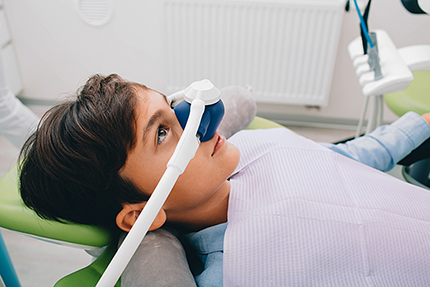
Choosing a sedation method is a clinical decision made after reviewing a patient’s health history, current medications, anxiety level, and the planned treatment. The dental team will discuss options, explain what to expect, and outline any pre-visit instructions such as fasting or having an escort for the trip home. Monitoring and recovery procedures are part of that plan.
Most sedation used in dental offices is conscious sedation, which reduces anxiety while preserving the patient’s ability to respond to verbal cues. For certain complex medical situations or procedures, general anesthesia — which produces a deeper, controlled sleep — may be required and is typically provided in a hospital or outpatient surgical setting by an anesthesiologist. Your clinician will help determine the safest route.
Sedation is administered and monitored by trained clinicians using protocols that prioritize airway management and cardiovascular stability. Equipment and staff trained in emergency response are standard in practices that offer sedation, and clear post-procedure instructions are provided so patients recover comfortably at home.
Below are the most commonly used office-based sedation options and the circumstances in which each is most appropriate.
Conscious sedation produces a relaxed, drowsy state while allowing the patient to remain responsive to direction. Breathing is typically independent and vital signs are monitored throughout the procedure. Recovery is usually faster than with general anesthesia, and many patients are pleasantly surprised by how little they remember of the appointment.
By contrast, general anesthesia involves a deeper, reversible state of unconsciousness and is reserved for procedures or medical conditions that cannot be safely managed with lighter sedation. When general anesthesia is indicated, it is delivered by a specialist using a setting equipped for more comprehensive monitoring and support.
Every option has tradeoffs in terms of depth of relaxation, recovery time, and the need for accompaniment after the visit. The dental team will explain these considerations and recommend the most appropriate method for each patient’s clinical needs and comfort goals.
Nitrous oxide, commonly called laughing gas, is inhaled through a small nasal mask and provides immediate, mild-to-moderate anxiety relief. Its effects begin quickly and dissipate a short time after the gas is turned off, allowing patients to recover rapidly with minimal lingering drowsiness. Nitrous oxide is an excellent choice for patients seeking a gentle, reversible calming effect.
Oral sedation involves taking a prescribed medication before the appointment to produce a deeper sense of relaxation. The medication’s effects vary by dose and individual response; patients often feel very drowsy and may have limited recall of the procedure. Because of residual effects, patients receiving oral sedation must have someone accompany them to and from the office and remain with them after treatment as recommended by the clinician.
Intravenous sedation is delivered directly into the bloodstream, providing rapid onset and precise control over sedation depth. This method is chosen when more significant relaxation is necessary for complex or extended procedures. IV sedation may require additional pre-visit instructions, including refraining from eating or drinking for a specified period, and an escort for transportation home after the appointment.
Throughout IV sedation, the dental team monitors vital signs and adjusts medication as needed to maintain a safe and comfortable state. Recovery and post-operative guidance are provided so patients can resume normal activity when it is safe to do so.
Deciding whether sedation is right for you starts with an open conversation about your history, concerns, and the treatment needed. A candid review of medical conditions and medications helps the dental team recommend the safest option and plan monitoring and recovery. When sedation is selected, the practice provides clear instructions about preparation, what to expect during the visit, and how to manage the immediate recovery period.
Our approach emphasizes patient education and partnership. We want patients to feel respected and informed, so each step is explained in plain language. If you have questions about sedation or need accommodations to make dental care possible, your provider will work with you to design a plan that fits your needs.
If you would like to learn more about sedation dentistry or discuss whether it might be a good fit for an upcoming procedure, please contact us to speak with a member of our clinical team. We’re happy to review your options and help you move forward with confidence.
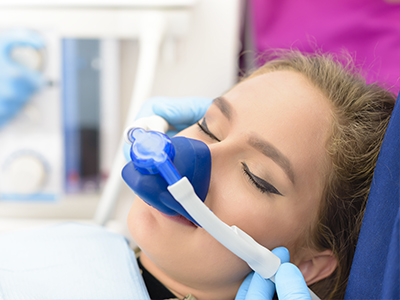

Sedation dentistry uses medications to reduce anxiety and promote relaxation during dental procedures. These medications can produce effects that range from mild calming to deeper levels of conscious sedation, and they are commonly used together with local anesthetic to prevent pain. Sedation does not replace local anesthesia but makes the overall experience more comfortable so the dental team can work efficiently and safely.
The clinician tailors the sedation approach after reviewing medical history, current medications, and the proposed treatment. That assessment determines the type and dose of medication, monitoring needs, and any pre‑visit instructions patients must follow. The goal is a predictable, controlled environment where the patient remains safe and informed throughout care.
People who avoid the dentist because of fear or past trauma are often good candidates for sedation dentistry, as are patients with a strong gag reflex, severe dental sensitivity, or difficulty sitting still for treatment. Sedation can also help when multiple procedures are needed or when a long appointment would otherwise be physically or emotionally taxing. Candidates include adults and some adolescents, though the choice of sedation differs by age and individual needs.
A careful medical review helps determine candidacy and the safest option for each person. Clinicians will ask about medical conditions, allergies, and all medications and supplements to identify potential interactions or risks. When necessary, the dental team coordinates with a patient’s physician to ensure a safe plan of care.
Office-based sedation typically includes nitrous oxide (inhaled), oral sedation (taken by mouth), and intravenous (IV) sedation. Nitrous oxide provides light, quickly reversible relaxation, oral medications offer deeper calming with variable recall, and IV sedation allows precise, adjustable control over the level of relaxation. Each method has tradeoffs in onset, depth, and recovery time, and the team will explain which option best matches the planned treatment.
General anesthesia, which produces a deeper state of unconsciousness, is reserved for more complex medical situations and is usually provided in a hospital or surgical center by an anesthesiologist. The dental office focuses on conscious sedation methods that maintain protective reflexes and allow for safe monitoring in the clinic setting. Your clinician will describe monitoring protocols and any escort or fasting requirements associated with the chosen method.
Sedation is safe when administered by trained clinicians who follow accepted protocols for screening, dosing, monitoring, and emergency response. The dental team monitors vital signs throughout the appointment and uses equipment and procedures designed to protect the airway and cardiovascular stability. Practices that offer sedation maintain staff training and equipment for immediate response to unexpected events.
Thorough pre‑appointment screening reduces risk by identifying conditions or medications that affect sedation choices. Patients should provide a complete health history and follow pre‑visit instructions so the team can select the safest approach. At the office of Tiger Family Dental, those safety steps and clear communication are emphasized to support a predictable recovery.
Preparation varies with the type of sedation but commonly includes following fasting instructions, arranging an escort for transportation, and pausing certain medications only when directed by your clinician. The dental team will give specific guidance about when to stop eating or drinking, what medications to take on the day of the appointment, and when to arrive for pre‑procedure checks. Wearing comfortable clothing and avoiding heavy makeup or jewelry helps streamline monitoring and care.
Bring a list of current medications, medical conditions, and emergency contact information to the visit so the team can confirm the plan. Arrange for someone to stay with you after oral or IV sedation as recommended, and avoid driving or operating machinery for the remainder of the day. Clear pre‑visit instructions improve safety and reduce anxiety on the day of treatment.
During sedation most patients feel relaxed, calm, and less aware of dental stimuli; some people become drowsy and have limited recollection of the procedure. Local anesthetic is used to prevent pain in the treatment area while sedation reduces anxiety and physical tension. The dental team continuously monitors your vital signs and comfort level and adjusts medication as needed to maintain an appropriate level of sedation.
After the procedure you may feel groggy, lightheaded, or mildly disoriented for a period of time, and recovery varies by the type and dose of medication used. Oral and IV sedation typically require an escort to take you home and remain with you until safety and alertness return. The practice will provide clear aftercare instructions, including signs to watch for and when to contact the office for any concerns.
Most dental sedation used in the office is conscious sedation, meaning patients remain responsive to verbal cues and can breathe independently. Conscious sedation can range from minimal relaxation to a deeper but controllable state in which the patient is drowsy yet arousable. General anesthesia, which produces a reversible unconscious state, is different and is typically delivered in a hospital or surgical center when clinically indicated.
Your clinician will explain which level of sedation is appropriate for your health history and the planned treatment and will outline what to expect in terms of awareness and recall. That discussion helps set realistic expectations and ensures that monitoring and recovery plans match the chosen level of sedation.
Yes, sedation can make lengthy or complex procedures more tolerable by reducing anxiety and allowing the clinician to work without interruption from patient discomfort or stress. For multi‑stage restorative work or surgical appointments, appropriate sedation can enable consolidation of care into fewer visits when clinically advisable. This approach can reduce the physical and emotional strain of multiple separate appointments.
When sedation is part of a treatment plan for implants or full‑arch restoration, the dental team coordinates timing, monitoring, and post‑operative care to support healing and safety. The clinician will explain how sedation affects recovery, any additional instructions for the procedure, and what to expect during the immediate postoperative period.
Children and patients with developmental, cognitive, or physical special needs often require individualized assessment to determine the safest and most effective sedation option. For some children, nitrous oxide or oral sedation is sufficient, while others may require deeper sedation or general anesthesia in a controlled surgical setting. Parental consent, a thorough medical history, and coordination with pediatricians or specialists are essential parts of planning care.
Monitoring and recovery plans are adapted to the patient’s age and medical profile, and the dental team will discuss practical matters such as fasting, accompaniment, and post‑procedure supervision. When necessary, the clinician will recommend the setting that offers the appropriate level of support and monitoring for the patient’s needs.
To schedule a consultation, call the office at (660) 827-2405 or use the practice’s online appointment request to arrange a time to review your needs and medical history. During a consultation the clinician will assess your anxiety level, medical conditions, and the planned treatment so they can recommend the most appropriate sedation option and explain pre‑visit and recovery instructions. You may be asked to bring a medication list and any recent medical records to help the team plan safely.
If you prefer an in‑person visit, the office is located at 991 Winchester Drive, Suite 1, Sedalia, MO 65301, where the team can answer questions and coordinate any necessary medical clearances. At Tiger Family Dental we aim to provide clear information and individualized planning so patients can move forward with the care they need in a comfortable, well‑monitored setting.

Looking to schedule your next dental visit or learn more about our services?
Getting in touch with Tiger Family Dental is simple! Our friendly team is ready to help you book appointments, answer questions about treatments, and address any concerns. Whether you’d like to call, or use our convenient online form, we’re here to assist you. Take the first step toward a healthy, confident smile — contact us today and experience the difference personalized dental care can make.