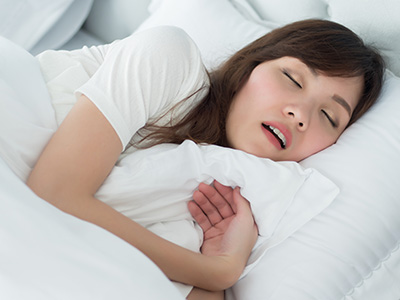
Snoring is a physical phenomenon: as you breathe during sleep, air moves past soft tissues in the throat and causes them to vibrate. Those vibrations produce the familiar sounds of snoring, which can range from a soft rumble to loud, disruptive noise. While almost everyone snores occasionally, habitual snoring occurs when the airway repeatedly narrows or collapses during sleep.
Many people think of snoring as a nuisance more than a health concern, but it can interfere with sleep quality for both the sleeper and anyone sharing the bedroom. Because the root cause is mechanical — airway resistance and tissue vibration — effective treatments focus on widening the airway or stabilizing the structures that vibrate.
Understanding the mechanics of snoring helps clarify why different treatments work for different people. Lifestyle changes, positional therapy, and medical devices all address airway dynamics in distinct ways, so a tailored approach based on the cause delivers the best outcomes.
Occasional snoring is common, but persistent loud snoring accompanied by gasps, long pauses in breathing, daytime sleepiness, or morning headaches can indicate sleep-disordered breathing such as obstructive sleep apnea (OSA). OSA carries risks for cardiovascular health, metabolic function, and daytime safety, so identifying warning signs is important. Clinicians typically evaluate symptoms, sleep history, and, when appropriate, refer for sleep testing.
Dental appliances for snoring are often considered when a medical evaluation determines snoring is not associated with moderate-to-severe sleep apnea, or when a patient prefers or requires a non-surgical, non-invasive option. A careful assessment ensures the chosen therapy is safe and effective for each individual’s condition.
Even when snoring is isolated and not linked to apnea, it can still erode sleep quality and relationship well-being. If snoring affects daytime function or household sleep, discussing options with a qualified provider is a reasonable next step.
Several anatomical and lifestyle factors make the upper airway more likely to vibrate. A naturally narrow nasal passage, enlarged tonsils or adenoids, a long soft palate, or excess tissue in the throat can all reduce the space available for airflow. The tongue and throat muscles also lose tone during sleep, particularly during deep sleep or under the influence of sedating substances, increasing the chance of obstruction.
External contributors play a role, too. Alcohol, certain medications, and sleep deprivation can relax muscles and worsen snoring. Sleeping position matters as well — lying on the back encourages the jaw and tongue to fall backward, further narrowing the airway. Hormonal and weight-related changes may also influence tissue size and muscle tone over time.
Snoring appliances, also called oral appliance therapy (OAT), are custom-made devices you wear while sleeping. They resemble a combination of a mouthguard and a retainer and are fabricated from impressions or digital scans of your teeth. The device gently repositions the lower jaw and, in many designs, stabilizes the tongue, which helps open the airway and reduce tissue vibration.
Because these appliances are removable and non-invasive, many patients prefer them over more complex treatments. They are designed to balance effectiveness with comfort: a properly fitted device allows normal jaw movement, does not interfere with breathing, and can be adjusted to find the optimal position that reduces snoring without causing jaw or bite problems.
Selection of the right appliance depends on the individual’s dental anatomy, the nature of their airway collapse, and any dental limitations. A clinical exam, dental records, and sometimes collaboration with a sleep specialist are used to determine suitability and to select the most appropriate appliance style.
The treatment process typically begins with an evaluation that checks oral health, jaw function, and overall suitability for an oral appliance. If the appliance is appropriate, impressions or digital scans are taken and a custom device is fabricated to match your bite. Initial fitting sessions focus on comfort and minor adjustments to ensure the device holds the jaw in the desired position without strain.
After you begin using the appliance, follow-up visits are important to monitor progress and address any side effects, such as temporary jaw soreness, increased salivation, or minor changes in bite alignment. Many of these issues resolve with adjustment and time, but ongoing observation helps maintain safety and long-term comfort. Periodic reassessment of sleep quality, either by symptom tracking or shared reports from a bed partner, helps determine how well the device is working.
Oral appliances are a convenient option for many people who snore, offering meaningful symptom relief when properly fitted and maintained. Regular cleaning, avoiding exposure to heat, and keeping up with scheduled dental check-ups help prolong the life of the device and support consistent results.
Oral snoring appliances offer several advantages: they are non-surgical, portable, relatively easy to use, and often well tolerated. For primary snorers and for some patients with mild sleep-disordered breathing, they can significantly reduce noise and improve sleep continuity. Their simplicity makes them a practical choice for travelers and for those who cannot tolerate other therapies.
However, they are not a universal solution. People with moderate to severe obstructive sleep apnea usually require continuous positive airway pressure (CPAP) or other medical interventions for safety and effectiveness. In some cases, anatomical issues such as very large tonsils or severe nasal obstruction may need medical or surgical treatment before an oral appliance will be effective.
Choosing the right treatment involves a collaborative process between the patient, the dental provider, and sometimes a sleep physician. A thoughtful assessment that matches the individual’s symptoms, risk factors, and lifestyle will identify the most appropriate path forward. When selected and monitored correctly, custom oral appliances are a reliable, patient-friendly option for reducing snoring and improving restorative sleep.
Snoring results from airflow-related vibration of relaxed throat tissues, and while it is often harmless, it can sometimes indicate a more serious sleep disorder. Custom oral appliances provide a non-invasive way to open the airway by repositioning the jaw and tongue, offering many people meaningful symptom relief. Proper evaluation and follow-up are essential to ensure safety and long-term comfort.
If you’d like to explore whether an oral appliance is a suitable option for you, the team at Tiger Family Dental can help guide the assessment and coordinate care with other specialists when needed. Contact us to learn more about how snoring appliances might fit into your sleep-health plan and to discuss the next steps.


Snoring occurs when airflow during sleep causes soft tissues in the throat to vibrate, producing sound. These vibrations happen most often when the airway narrows due to relaxed muscles, excess tissue, or positional changes. The intensity of snoring depends on how much the airway collapses and which structures are involved.
Because the issue is mechanical, treatments that widen or stabilize the airway tend to reduce vibration and noise. Different anatomical contributors — nasal blockage, a low-hanging soft palate, or a large tongue base — influence which therapy will work best. A targeted evaluation helps identify the specific cause for each patient.
Occasional snoring is common, but persistent loud snoring accompanied by gasps, choking, long pauses in breathing, excessive daytime sleepiness, or morning headaches warrants further assessment. Those symptoms can indicate obstructive sleep apnea, a condition that carries risks for cardiovascular and metabolic health. A clinician may recommend sleep testing or referral to a sleep specialist when these warning signs are present.
Dental providers often screen for signs that suggest more than simple snoring and will coordinate with medical colleagues as needed. If moderate to severe sleep apnea is suspected, therapies such as CPAP are typically considered first for safety and efficacy. Determining the severity of sleep-disordered breathing guides whether a dental appliance is appropriate.
Snoring appliances, commonly called oral appliance therapy (OAT), are custom-made devices worn during sleep that reposition the lower jaw and sometimes stabilize the tongue. By advancing the jaw slightly forward, these devices increase the space behind the tongue and reduce the tendency for soft tissues to vibrate. Most appliances are made from impressions or digital scans and resemble a combination of a retainer and mouthguard.
Because they are removable and non-invasive, many patients prefer them to more complex options. Appliances are adjustable to balance effectiveness with comfort and to minimize undue strain on the jaw. Suitability depends on dental anatomy, the pattern of airway collapse, and overall health.
Ideal candidates are adults whose snoring is not clearly linked to moderate or severe obstructive sleep apnea and who have enough natural teeth or stable dental structure to retain an appliance. Patients should have generally healthy periodontal tissues and a jaw that allows comfortable forward positioning. Those with active dental disease, severe temporomandibular joint disorders, or very unstable bites may need other treatment first.
A thorough dental and medical assessment helps determine candidacy, and collaboration with a sleep physician is common when sleep-disordered breathing is a concern. Lifestyle contributors such as alcohol use and sleep position may also influence outcomes, so a comprehensive plan often combines appliance therapy with behavioral strategies. Individualized evaluation produces the safest, most effective plan.
The process begins with a clinical examination that evaluates oral health, jaw movement, and bite alignment. If an appliance is appropriate, impressions or digital scans of the teeth are taken and a laboratory fabricates a device to the prescribed specifications. An initial fitting session allows the clinician to fine-tune jaw position and ensure the device is comfortable and stable for sleep use.
After the patient starts using the appliance, follow-up visits are scheduled to monitor effectiveness and address side effects such as jaw soreness or excess saliva. Adjustments can optimize airway opening while minimizing strain on the jaw and teeth. Periodic reassessment of sleep quality and dental status helps maintain both safety and long-term benefit.
Common short-term effects include temporary jaw soreness, mild tooth or gum discomfort, and increased saliva production during the initial adaptation period. These issues often resolve with small adjustments and wear-time progression, but they should be reported to the dental provider if they persist. Less commonly, long-term use can contribute to small changes in tooth position or bite alignment.
Careful monitoring by the clinician helps identify and manage adverse changes early, and periodic dental exams assess tooth and joint health. Patients with preexisting temporomandibular joint problems require special consideration before starting therapy. A collaborative approach ensures risks are minimized while maintaining treatment benefits.
Daily cleaning with a soft toothbrush and gentle, nonabrasive cleanser helps prevent plaque buildup and odors; the device should be rinsed after each use and stored in a ventilated case when dry. Avoid exposing the appliance to heat or boiling water, which can warp its shape, and keep it away from pets. Regular dental checkups allow the provider to inspect the device and check for wear or fit changes.
Durability varies with material and usage, but many appliances function well for several years with proper care. Gradual wear, changes in bite, or device damage may require repair or replacement over time. Staying current with scheduled evaluations preserves both appliance performance and oral health.
Some patients notice a reduction in snoring the first few nights after starting the appliance, while others require several weeks of adjustment before significant improvement is reported. The timeline depends on factors such as the degree of airway narrowing, adherence to nightly use, and whether other contributors like nasal congestion are addressed. Partners’ observations and self-reported sleep quality help track progress.
Follow-up visits are important to fine-tune the device and confirm that airway opening is adequate without causing jaw strain. If improvement is limited, the clinician may adjust advancement settings or reassess whether additional medical or surgical interventions are needed. Ongoing monitoring ensures the chosen therapy matches the patient’s evolving needs.
Yes. Dental management of snoring is often most effective when coordinated with a sleep physician, especially if symptoms suggest sleep apnea or if diagnostic testing has been performed. Collaboration ensures that the dental appliance complements any medical therapies and that the patient receives comprehensive oversight of sleep-related health risks. Clear communication between providers supports safe, evidence-based care.
The team at Tiger Family Dental can work with sleep specialists to review test results, refine treatment goals, and monitor outcomes. This multidisciplinary approach helps match the right therapy to the patient and avoids fragmented care. Coordination also facilitates timely adjustments when symptoms change.
Bring a summary of your sleep history, including observations from a bed partner about snoring, gasps, or breathing pauses, and a list of medications or substances that affect sleep. If you have results from prior sleep studies or reports from sleep medicine providers, bring those records to help guide the evaluation. Photographs of sleeping position or recent dental x-rays, if available, can also be helpful.
Arrive prepared to discuss your medical history, daytime sleepiness, and lifestyle factors such as alcohol use and sleep schedule. The dental team will perform an oral exam and may take impressions or digital scans if an appliance is appropriate. Clear information at the first visit streamlines assessment and helps develop an individualized plan at the Sedalia office if further care is indicated.

Looking to schedule your next dental visit or learn more about our services?
Getting in touch with Tiger Family Dental is simple! Our friendly team is ready to help you book appointments, answer questions about treatments, and address any concerns. Whether you’d like to call, or use our convenient online form, we’re here to assist you. Take the first step toward a healthy, confident smile — contact us today and experience the difference personalized dental care can make.