A brighter smile can change how you carry yourself — and it doesn’t need to be complicated. Professional teeth whitening is one of the fastest, least invasive ways to refresh your appearance and boost confidence. When planned and performed thoughtfully, whitening can safely lighten your natural teeth by several shades while preserving oral health.
At the office of Tiger Family Dental, we focus on results that look natural and last. Our approach begins with a careful examination to confirm whitening is appropriate for your needs, followed by a customized plan that balances effectiveness with comfort. Whether you prefer a single in-office session or a supervised take-home system, the goal is always a more luminous smile with minimal risk.
This page explains how whitening works, what affects color, how to prepare, and what to expect afterward. The information here is intended to help you make an informed decision and feel confident about the process.
There is no one-size-fits-all whitening solution. Some patients want immediate, dramatic results and choose an in-office treatment that uses professional-strength peroxide and controlled light or heat activation. Others prefer the convenience of a dentist-prescribed take-home kit with custom trays that deliver steady, predictable whitening over several days or weeks. A hybrid approach — an in-office boost followed by an occasional at-home maintenance kit — is also common.
Before recommending a path, the dental team evaluates tooth shade, enamel condition, existing restorations, and any sensitivity concerns. That evaluation ensures the chosen method targets your particular needs and helps avoid surprises like uneven lightening or increased sensitivity. Professional oversight also means adjustments can be made if you experience discomfort or if results deviate from expectations.
Choosing a method is less about marketing and more about fit: how quickly you want results, how tolerant your teeth are to whitening agents, and whether you prefer a single appointment or gradual change. Your clinician will explain the pros and cons of each option and design a plan that aligns with your goals and lifestyle.
Tooth color changes fall broadly into two categories: extrinsic and intrinsic. Extrinsic stains sit on the enamel surface and are caused by things like coffee, tea, red wine, and tobacco. These stains often respond well to both in-office and professional take-home whitening. Regular cleanings and good oral hygiene also help minimize this type of discoloration.
Intrinsic discoloration originates inside the tooth and can be caused by genetics, certain medications, trauma, or long-term exposure to fluoride during tooth development. Teeth that are grayish, brown, or darkened from internal causes are generally more challenging to whiten and may not respond as predictably to bleaching alone.
It’s important to know that whitening only affects natural tooth structure. Porcelain restorations, composite fillings, crowns, and veneers will not change color with bleaching. If you have visible restorations, your clinician can recommend strategies such as matching new restorations to the desired shade after whitening, or discussing alternative cosmetic options if bleaching is unlikely to produce a satisfactory outcome.
Professional whitening systems use peroxide-based bleaching agents — typically hydrogen peroxide or carbamide peroxide — to break the molecular bonds that create stains. When applied correctly, these agents penetrate the enamel and oxidize discoloring compounds, making them less visible. The concentration and delivery method determine how fast and how noticeably teeth lighten.
One of the main advantages of dentist-supervised whitening is control. Concentrations used in the office are stronger than over-the-counter options, and a clinician can protect gums and soft tissues during application. Take-home systems prescribed by the dentist use lower concentrations but custom-fitted trays to ensure even contact and reduce the risk of gum irritation compared with generic store-bought trays.
Safety relies on proper screening and technique. A dental exam identifies cavities, exposed roots, or gum issues that could make whitening uncomfortable or ineffective. Your provider can recommend desensitizing protocols if you have a history of sensitivity and will advise on realistic expectations for shade improvement based on your starting color and tooth composition.
A brief preparation helps whitening work better and feel more comfortable. Professional cleaning to remove plaque and surface debris allows the bleaching agent to reach the enamel more effectively. Addressing cavities, loose restorations, or gum inflammation before whitening prevents increased sensitivity and ensures treatment is safe.
Immediately after whitening — particularly following in-office procedures — teeth are temporarily more receptive to staining. The first 48 hours are the most important: avoiding strongly colored foods and beverages and steering clear of tobacco will help protect freshly whitened enamel. Using a straw for beverages and choosing pale foods during this window can make a noticeable difference in outcome.
Sensitivity is common but usually short-lived. If you experience heightened sensitivity, simple measures such as toothpaste for sensitive teeth, brief breaks between treatments, or topical desensitizers can help. Your dentist will provide guidance tailored to your situation and, when needed, suggest a slower at-home regimen to improve comfort while still achieving pleasing results.
Whitening results are not permanent, but they can be long-lasting with sensible maintenance. How long the effect persists depends on diet, smoking habits, oral hygiene, and individual tooth composition. Periodic touch-ups — either in-office or with a dentist-supervised take-home kit — can refresh your smile without repeating an intensive procedure.
If bleaching is unlikely to meet your goals because of intrinsic discoloration or existing restorations, there are alternative cosmetic routes. Porcelain veneers, dental bonding, or replacement restorations can change the appearance of teeth when whitening alone will not. These options are selected based on durability, aesthetics, and how conservatively the tooth can be treated.
Understanding what to expect and choosing a maintenance plan with your dental team sets you up for the best long-term outcome. Clear communication about goals and limitations helps ensure the final result looks cohesive and natural.
To learn more about professional teeth whitening and whether it’s a good fit for your smile, please contact us for more information. Our team is ready to help you understand the options and design a plan that reflects your needs and expectations.


Professional teeth whitening is a dentist-supervised treatment that uses peroxide-based bleaching agents to lighten natural tooth enamel. These agents penetrate the enamel and oxidize stain molecules, which reduces their visibility and produces a brighter appearance. The concentration and delivery method determine how quickly and noticeably teeth lighten while allowing the clinician to control safety and comfort.
Under dental supervision, whitening can be delivered in a single in-office session or via a take-home system with custom trays, and results are tailored to each patient’s starting shade and sensitivity profile. A clinical exam before treatment identifies issues that could affect outcomes, such as cavities, exposed roots, or gum inflammation. Your provider will explain realistic expectations based on tooth composition and the type of discoloration present.
Common professional options include in-office whitening, dentist-prescribed take-home kits with custom trays, and hybrid plans that combine both approaches for an initial boost and subsequent maintenance. In-office procedures use higher-strength peroxide and controlled activation for faster results, while take-home systems use lower concentrations over several days or weeks for gradual improvement. A hybrid approach can offer the speed of an office treatment with the convenience of occasional at-home touch-ups.
Each method has trade-offs in terms of speed, sensitivity, and convenience, so treatment choice depends on personal goals and tolerance to bleaching agents. Custom trays from the dentist improve contact and reduce gum irritation compared with over-the-counter options. Your clinician will recommend the best fit after evaluating enamel condition, existing restorations, and your desired timeline.
Good candidates typically have extrinsic staining from foods, beverages, or tobacco and healthy teeth and gums without untreated cavities or severe enamel erosion. Intrinsic discoloration caused by genetics, certain medications, or trauma may respond less predictably to bleaching and sometimes requires alternative cosmetic treatments to meet expectations. A dental exam will assess tooth shade, enamel thickness, restorations, and any risk factors for sensitivity.
Patients with visible crowns, veneers, or large composite restorations should discuss limitations, since restorations do not bleach and may need replacement or color-matching after whitening. Those with active gum disease, untreated decay, or exposed root surfaces are usually advised to address those issues before starting whitening. Your dentist will help you weigh options and decide whether bleaching or another cosmetic approach is most appropriate.
Preparation typically includes a professional cleaning to remove plaque and surface debris so the bleaching agent can contact enamel evenly, and a dental exam to identify cavities or loose restorations that could cause discomfort. Addressing oral health issues first reduces the risk of sensitivity and ensures safer, more predictable results. Your clinician may also recommend desensitizing toothpaste or topical agents ahead of treatment if you have a history of sensitivity.
On the day of an in-office session, avoid heavy staining foods and tobacco beforehand to maximize the initial result, and follow any pre-appointment instructions from your dental team. For take-home kits, ensure trays fit properly and follow the prescribed wear schedule and instructions to avoid gum irritation. Clear communication about your goals and any previous whitening history helps the team tailor the plan to your needs.
Sensitivity is a common, usually temporary side effect of bleaching because peroxide can make nerves in the tooth more reactive for a short period. When whitening is performed or prescribed by a dentist, steps are taken to minimize discomfort, such as using protective barriers for gums, recommending desensitizing toothpaste, or lengthening intervals between applications. Long-term enamel damage is unlikely when treatments are performed correctly and after appropriate screening.
If you experience significant sensitivity, your dentist can adjust the protocol by lowering concentration, shortening application times, or switching to a slower take-home regimen to improve comfort. Addressing underlying issues like exposed root surfaces or untreated decay before whitening further reduces the chance of postoperative pain. Open discussion with your clinician ensures adjustments can be made quickly for a safe, tolerable experience.
Whitening results vary by individual and typically last months to a few years, depending on diet, tobacco use, oral hygiene, and natural tooth composition. Foods and beverages that stain—such as coffee, tea, red wine, and dark sauces—can gradually reintroduce discoloration, so moderating intake and rinsing or brushing after consumption helps prolong results. Using a straw for colored drinks and avoiding tobacco are simple, effective ways to protect freshly whitened enamel.
Periodic touch-ups with a dentist-supervised take-home kit or occasional in-office maintenance sessions can refresh your smile without repeating an intensive procedure. Daily oral hygiene, regular professional cleanings, and following any home-care recommendations from your dental team will help maintain a natural, consistent shade. Your clinician can create a personalized maintenance plan based on your habits and how quickly your teeth tend to rebound.
Bleaching agents act on natural tooth structure by breaking down stain molecules within enamel and dentin, but they do not alter the color of dental materials such as porcelain, ceramic, or composite resin. Because restorations remain the same shade, whitening natural teeth when you have visible restorations can create mismatched tones if restorations are not addressed. For this reason, dentists often plan whitening before final restorative work or recommend replacing restorations to match the new shade after bleaching.
When restorations are present, your dental team will discuss strategies that preserve aesthetics and function, such as whitening natural teeth first and then selecting replacement materials that match the improved shade. This coordinated approach helps ensure a cohesive, natural-looking smile while avoiding unnecessary replacement of restorations that still function well. Clear communication about expectations is key to a satisfactory cosmetic result.
Over-the-counter options can offer modest improvement for some extrinsic stains, but they generally use lower concentrations of bleaching agents and lack professional supervision, which affects both speed and predictability of results. Generic trays, strips, and whitening toothpaste may not provide even contact with enamel, increasing the risk of gum irritation or uneven lightening. Professional care provides stronger agents when appropriate and customized delivery systems, such as custom-fitted trays, that improve efficacy and safety.
Another important difference is pre-treatment screening and follow-up, which help a dental provider identify factors that could limit results or increase sensitivity. A dentist can tailor the concentration, application time, and protective measures to your needs and make adjustments if you experience discomfort. For predictable, long-lasting outcomes and reduced risk of complications, many patients prefer dentist-supervised whitening over solely relying on store-bought products.
During an in-office session, the clinician protects your gums and soft tissues, applies a professional-strength bleaching agent to the teeth, and may use controlled activation such as light to enhance the process depending on the system used. The procedure is monitored closely to limit contact with soft tissues and to respond to any sign of sensitivity. Sessions typically take under two hours, and patients often notice immediate shade improvement at the completion of treatment.
After treatment, teeth are more receptive to staining for about 48 hours, so avoiding strongly colored foods, beverages, and tobacco during this window is important to preserve the initial result. Mild sensitivity is common and usually subsides within days; using desensitizing toothpaste and following aftercare instructions from your dental team helps manage discomfort. If sensitivity persists or you have concerns, contact your dentist for guidance and possible protocol adjustments.
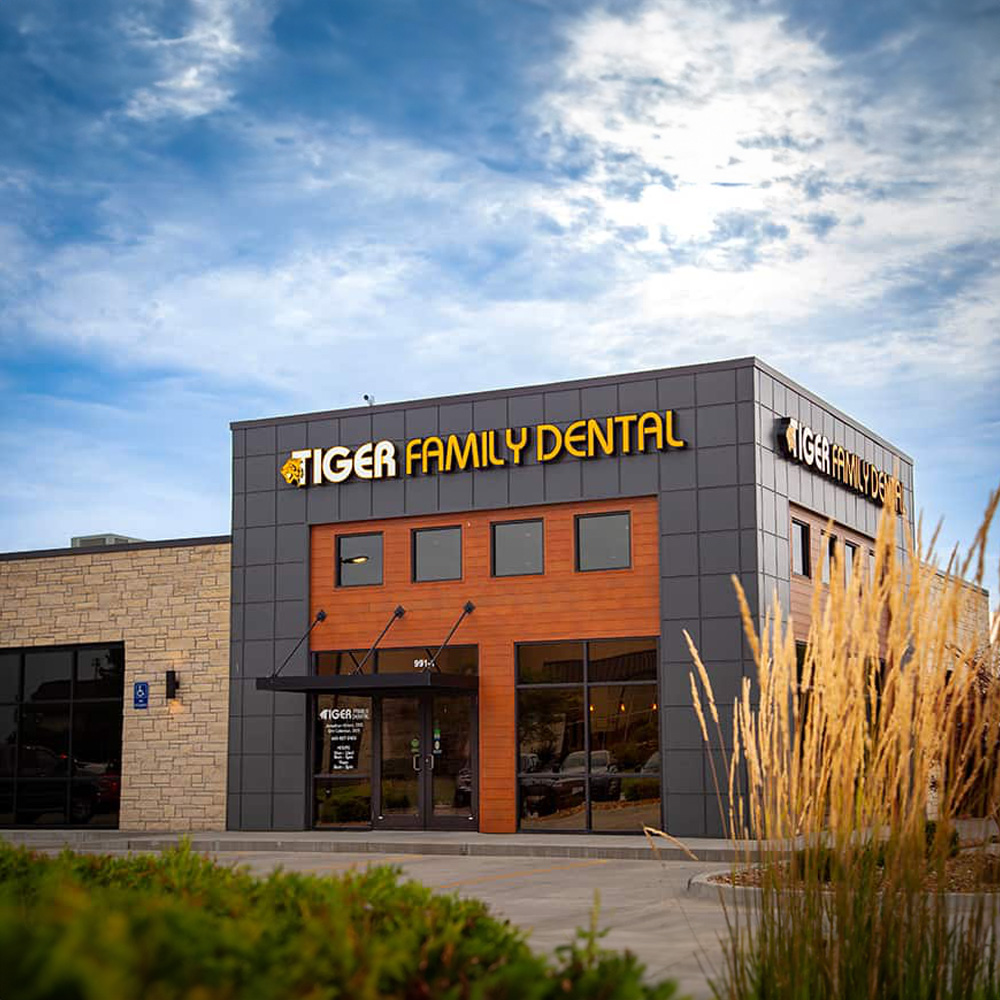
The office of Tiger Family Dental uses a personalized approach that begins with a thorough exam to confirm whitening is appropriate and to identify any conditions that should be managed first. Treatment plans are tailored to each patient’s enamel condition, existing restorations, and sensitivity history, and options are explained so expectations remain realistic. Protective measures and desensitizing protocols are applied as needed to prioritize comfort and safety during and after treatment.
Follow-up and maintenance guidance are part of the process, helping patients preserve results with sensible habits and occasional touch-ups when needed. By combining modern whitening systems, clinical oversight, and clear communication, the practice aims to deliver natural, lasting outcomes that align with each patient’s goals. If you have specific concerns or would like to explore which whitening option is best for you, the team in Sedalia, MO can help design a plan that fits your needs.
Looking to schedule your next dental visit or learn more about our services?
Getting in touch with Tiger Family Dental is simple! Our friendly team is ready to help you book appointments, answer questions about treatments, and address any concerns. Whether you’d like to call, or use our convenient online form, we’re here to assist you. Take the first step toward a healthy, confident smile — contact us today and experience the difference personalized dental care can make.