A confident smile plays a meaningful role in how you present yourself to the world. Beyond appearance, an attractive smile can lift your mood, strengthen first impressions, and encourage you to engage more openly with others. Cosmetic dentistry focuses on improving the look of your teeth and gums while preserving or enhancing oral health—so the outcome looks natural and lasts.
Many adults feel their smiles could be brighter, straighter, or more proportionate. Whether concerns come from staining, minor chips, uneven spacing, or worn enamel, modern cosmetic dentistry offers predictable, minimally invasive ways to address these issues. With careful planning and the right techniques, improvements can be subtle or dramatic, always tailored to each person’s goals and facial features.
Cosmetic dentistry is most successful when it starts with a conversation. We take time to understand what you want to change, how you visualize your smile, and what practical constraints matter to you—functional needs, timeline, and comfort with different procedures. That collaborative approach ensures the treatment plan reflects both your aesthetic preferences and your oral health priorities.
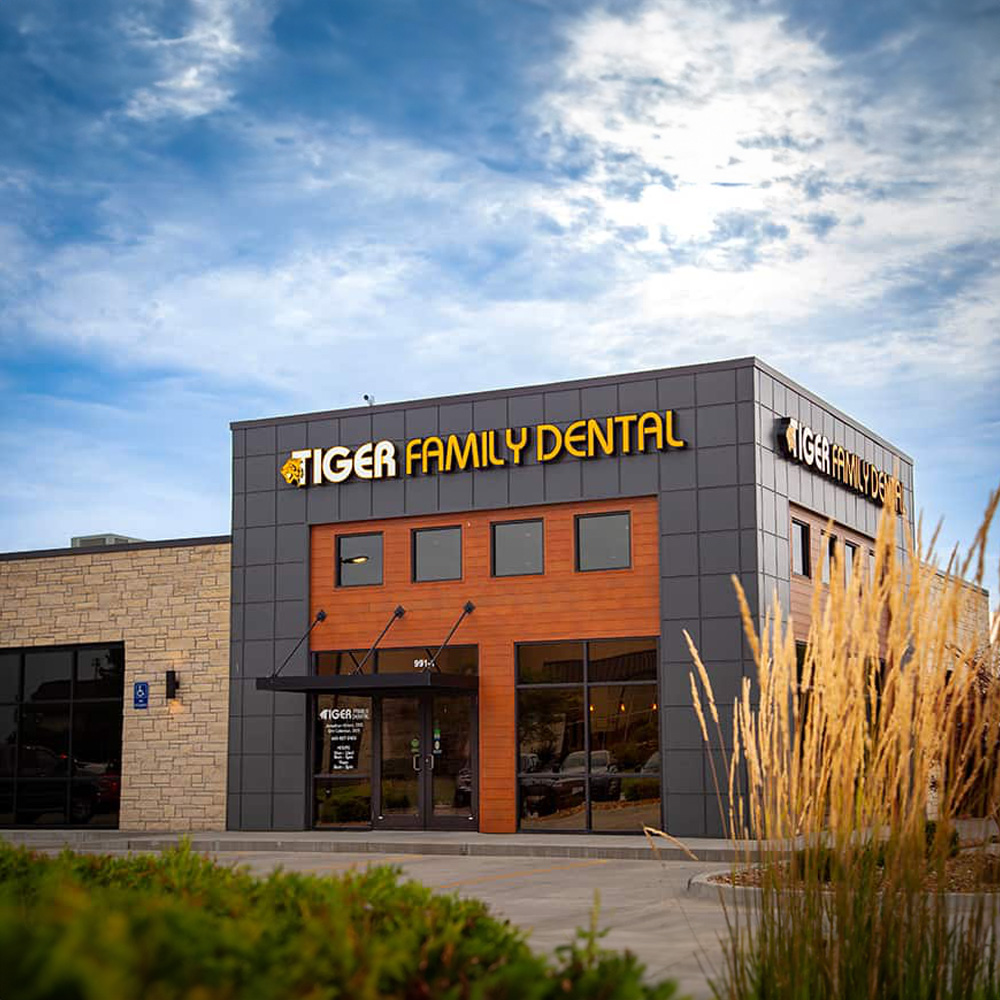
At the office of Tiger Family Dental, our team blends clinical expertise with thoughtful communication so each patient feels informed and confident about their choices. We review options, explain what to expect during treatment, and outline realistic outcomes based on your unique smile anatomy. This foundation of clear communication leads to results that look intentional and feel natural.
Every cosmetic plan we develop is individualized. Small changes—shaping a single edge, brightening several shades, or closing a narrow gap—can produce disproportionate improvements in appearance and self-confidence. Because we design care around you, not a checklist, the goal is always a balanced, harmonious smile that complements your features.

Today's cosmetic results are driven by advances in both materials and digital technology. High-strength ceramics, improved composite resins, and precision milling tools allow us to match color, translucency, and surface texture so restorations blend seamlessly with natural teeth. These materials are more durable and lifelike than earlier generations, which expands the range of esthetic corrections available.
Digital imaging and smile design software let you see potential changes before treatment begins. In many cases we can provide digital previews that illustrate shade choices, tooth proportions, and the likely final alignment. This visualization helps set expectations and guides adjustments to ensure the final result fits your face and personality.
Even when a procedure looks primarily cosmetic, preserving function remains essential. We evaluate bite relationships, chewing forces, and how changes will affect adjacent teeth. Combining artistic judgment with biomechanical planning helps avoid future wear or discomfort while achieving the look you want.
There is a spectrum of cosmetic treatments, from simple, rapid enhancements to more comprehensive restorative care. Many patients begin with conservative options that produce noticeable change with minimal tooth alteration. For others, a combination of treatments may be the best route to a balanced, long-lasting smile.
Below are some of the common procedures we provide, explained in straightforward terms to help you explore which approaches may fit your goals.
Composite bonding is a conservative method to repair small chips, mask localized discoloration, or close narrow gaps. A tooth-colored resin is sculpted directly onto the tooth and shaped to match neighboring teeth. When done well, bonding preserves tooth structure and can be completed quickly, often in a single appointment.
Modern composite fillings restore decayed or damaged areas while matching your tooth’s shade. These restorations bond to remaining tooth structure, reinforcing weakened areas without the visible appearance of metal. The result is a repaired tooth that looks natural when you smile.
Professional whitening procedures are safer and more effective than most over-the-counter products because they’re supervised by a clinician and use controlled concentrations of whitening agents. Whether performed in the office or with dentist-dispensed take-home trays, whitening can refresh stained or yellowed enamel and provide a uniform, brighter smile.
Porcelain veneers are ultra-thin shells bonded to the front surfaces of teeth to correct color, shape, and minor alignment issues. They are highly customizable—allowing adjustments to length, width, and translucency—so teeth can be harmonized with facial features for a natural yet improved appearance.
When a tooth has extensive damage, large restorations, or significant staining that doesn’t respond to other treatments, a full-coverage ceramic crown restores both form and function. Crowns recreate the tooth’s contours and shade while protecting underlying structure, delivering an esthetic and durable solution.

Losing one or more teeth affects aesthetics and the long-term health of the mouth. Fortunately, cosmetic planning for missing teeth focuses on solutions that restore appearance, speech, and chewing ability while preserving surrounding structures. The right approach depends on how many teeth are involved, their location, and your broader treatment goals.
Options include well-designed dental bridges and removable dentures for replacing multiple teeth, and implant-supported restorations when a fixed, natural-feeling result is desired. Implant-supported teeth recreate the look and function of natural dentition and can prevent the bone loss that sometimes follows missing teeth.
When implants are part of the plan, we coordinate imaging and placement strategies to achieve predictable esthetic outcomes—aligning replacement teeth with neighboring contours and gum tissue so the result appears integrated and natural.

A successful cosmetic makeover combines careful diagnosis, clear goals, and a stepwise plan. During a consultation we evaluate tooth condition, gum health, bite dynamics, and aesthetic priorities. Photographs, digital scans, and mock-ups help communicate possibilities and guide decisions so you know what to expect at each stage.
We emphasize conservative choices when appropriate and sequence treatments to conserve tooth structure and optimize longevity. Maintenance is also part of the design: once treatments are complete, regular dental care and occasional touch-ups keep results looking their best over time.
As you consider cosmetic options, it’s useful to bring examples of smiles you admire and to be open about practical concerns—things like recovery time, sensitivity, or treatment timeline can shape which solutions are best. Our team will provide clear explanations so you can make informed choices with realistic expectations.
Improving the appearance of your smile is a collaborative process that balances esthetics, durability, and function. Whether you want a subtle refresh or a comprehensive transformation, careful planning and modern techniques can deliver results that feel comfortable and look authentic.
If you’d like to learn more about cosmetic dentistry or discuss which options may be right for you, contact us to schedule a consultation. Our practice is committed to thoughtful, patient-centered care and will work with you to design a plan that matches your goals.


Cosmetic dentistry focuses on improving the appearance of teeth and gums while preserving or enhancing oral health. It encompasses treatments that change color, shape, size or alignment to create a more harmonious smile. These procedures range from conservative, same-day options to more comprehensive restorative care.
Adults with staining, minor chips, narrow gaps, uneven tooth proportions or worn enamel commonly explore cosmetic options. Suitability depends on underlying oral health, bite relationships and individual goals rather than age alone. A clinical evaluation helps determine which treatments are appropriate and how they can be sequenced for the best long-term result.
Personalized cosmetic care begins with a detailed conversation about your aesthetic goals, functional needs and any practical constraints such as timeline or sensitivity concerns. Clinicians combine photographic records, digital scans and bite analysis to assess tooth anatomy, gum contours and how proposed changes will interact with the rest of the mouth. This diagnostic process guides realistic recommendations and helps prioritize conservative options when possible.
Treatment plans are developed to complement facial features and overall oral health rather than follow a one-size-fits-all approach. Visualization tools and mock-ups often allow patients to preview proposed changes and refine choices before irreversible steps are taken. Clear explanation of expected outcomes, risks and maintenance needs supports informed decision-making throughout the process.
Minimally invasive cosmetic procedures aim to produce noticeable visual improvements while conserving natural tooth structure. Common options include professional whitening to address generalized staining, composite bonding for small chips and localized discoloration, and tooth-colored restorations to replace small areas of decay without metal. These treatments are often completed in a single visit or a short series of appointments.
Because these approaches preserve enamel and dentin when possible, they are frequently chosen as first-line interventions for patients seeking subtle to moderate enhancements. Composite materials and modern adhesives allow durable, aesthetic repairs that blend with surrounding teeth. When more extensive changes are required, these conservative steps can be combined with other treatments for a staged outcome.
Porcelain veneers are ultra-thin ceramic shells bonded to the front surfaces of teeth to correct color, shape and minor alignment issues. They are fabricated outside the mouth to precise specifications, offering excellent color stability and surface characteristics that mimic enamel. Veneers are typically used when a more controlled and long-lasting aesthetic result is desired.
Composite bonding uses tooth-colored resin sculpted directly onto the tooth to repair chips, close small gaps or mask localized discoloration. Bonding can often be completed in a single appointment and typically preserves more natural tooth structure, but it may require periodic maintenance or polishing over time. The choice between veneers and bonding depends on the extent of correction, translucency desired and the patient’s long-term goals.
Professional teeth whitening begins with an examination to confirm that tooth color issues are intrinsic to enamel or dentin and that teeth and gums are healthy enough for treatment. In-office procedures use controlled concentrations of whitening agents applied under clinician supervision to achieve more predictable results, while take-home trays allow gradual whitening with custom-fitted appliances. Both approaches benefit from careful shade selection and guidance on realistic expectations.
During and after whitening some patients experience transient sensitivity that usually resolves within days; clinicians can recommend desensitizing protocols when needed. Results vary based on the type and depth of staining, previous restorations and individual enamel characteristics. Follow-up recommendations include maintenance strategies to help preserve shade and monitor any changes in tooth or gum health.
Advances in ceramics, composite resins and adhesive systems allow restorations that closely match natural color, translucency and surface texture. High-strength materials and precision milling produce durable crowns and veneers that resist wear and maintain esthetics over time. These improvements expand the range of conservative and lifelike options available to patients.
Digital imaging and smile design software enable clinicians and patients to preview proposed changes, experiment with proportions and adjust plans before treatment begins. Digital scans, CAD/CAM fabrication and precise shade communication reduce guesswork and improve reproducibility. Integrating artistic judgment with digital planning helps achieve results that are both functional and natural in appearance.
Replacing missing teeth is an important element of cosmetic planning because gaps affect appearance, speech and chewing dynamics as well as adjacent tooth position. Treatment options include well-designed fixed bridges and removable prostheses for certain situations, and implant-supported restorations when a fixed, natural-feeling solution is preferred. Implant-supported teeth recreate the look and function of natural dentition and can help preserve surrounding bone over time.
When implants are used as part of a cosmetic plan, coordination of imaging, implant position and prosthetic design is essential to align replacement teeth with neighboring contours and gum tissue. The restorative phase focuses on matching shade, shape and proportion so the replacement integrates with the smile. Clinicians balance esthetic goals with biomechanical considerations to provide a stable, lasting outcome.
Even primarily cosmetic procedures must respect bite relationships, chewing forces and the health of supporting tissues to avoid future complications. Clinicians assess occlusion, tooth wear patterns and the condition of adjacent teeth and gums to ensure changes do not create harmful contacts or accelerate wear. Planning integrates artistic choices with biomechanical principles to protect the longevity of restorations and natural teeth.
Sequencing treatments and choosing conservative techniques when feasible helps preserve tooth structure and reduces the need for retreatment. Where restorative work is necessary, selecting appropriate materials and following precise preparation and bonding protocols supports durability. Ongoing monitoring and maintenance are part of a comprehensive approach that keeps both aesthetics and function in balance.
Maintenance begins with routine oral hygiene including brushing, flossing and regular dental checkups to monitor restorations and natural teeth. Professional cleanings and periodic evaluations allow clinicians to identify wear, margin changes or stain accumulation early and recommend targeted maintenance such as polishing or touch-up bonding when indicated. Following specific home-care instructions for any new restorations helps extend their service life.
Some cosmetic treatments may require occasional replacement or adjustment over years, depending on material longevity and the oral environment. Avoiding habits that increase wear, such as chewing hard objects or bruxism without protection, supports long-term results. A regular partnership with your dental team ensures that maintenance plans evolve with changing needs and preserve both health and appearance.
Start with an initial consultation that includes a clinical exam, discussion of your goals and documentation such as photographs or digital scans. Sharing examples of smiles you admire and being candid about priorities like treatment timeline, sensitivity or functional concerns helps the clinician tailor recommendations. A stepwise plan can illustrate conservative starting points and how more extensive options might be staged if desired.
During the consultation the clinician will explain expected outcomes, alternative approaches and any necessary preparatory care to ensure treatments are performed safely. If desired, request digital previews or mock-ups to visualize proposed changes before irreversible steps are taken. Contact Tiger Family Dental to schedule a consultation and learn which evidence-based options align with your oral health and aesthetic goals.
Looking to schedule your next dental visit or learn more about our services?
Getting in touch with Tiger Family Dental is simple! Our friendly team is ready to help you book appointments, answer questions about treatments, and address any concerns. Whether you’d like to call, or use our convenient online form, we’re here to assist you. Take the first step toward a healthy, confident smile — contact us today and experience the difference personalized dental care can make.